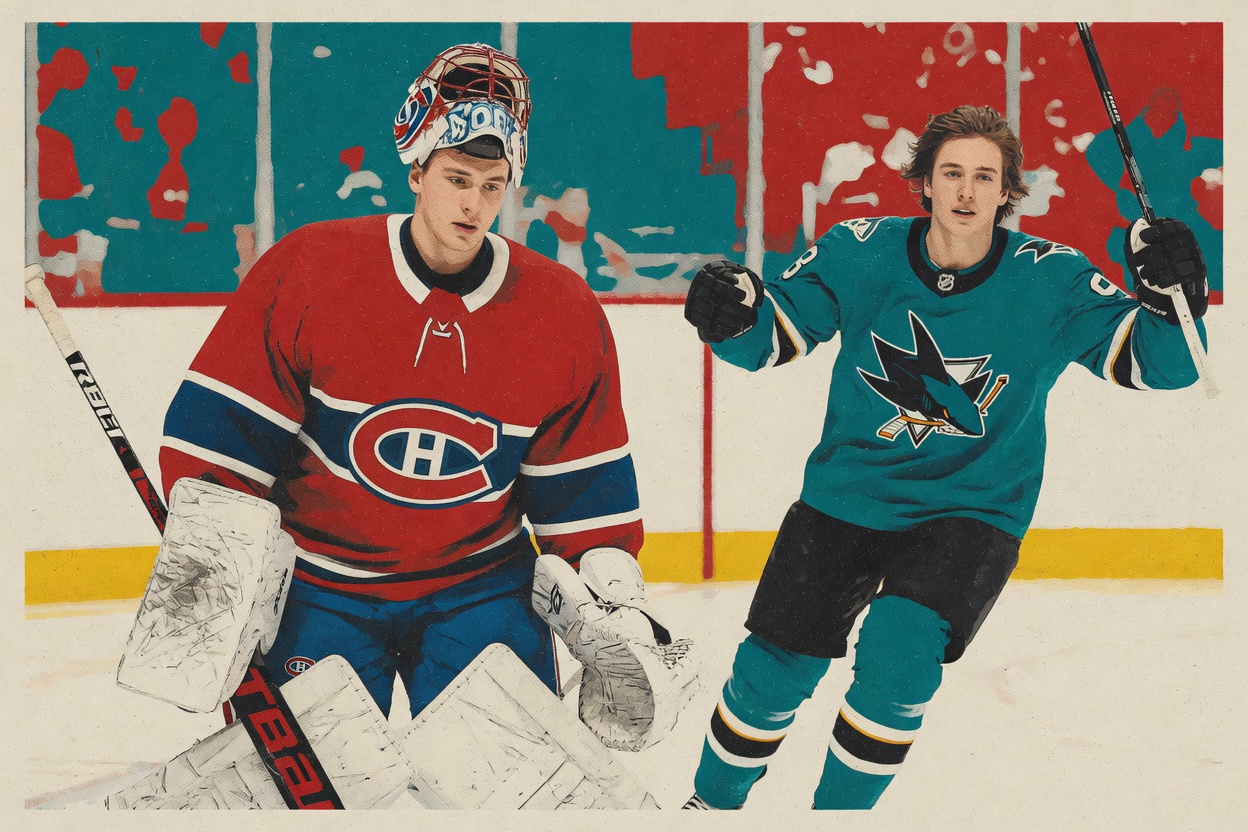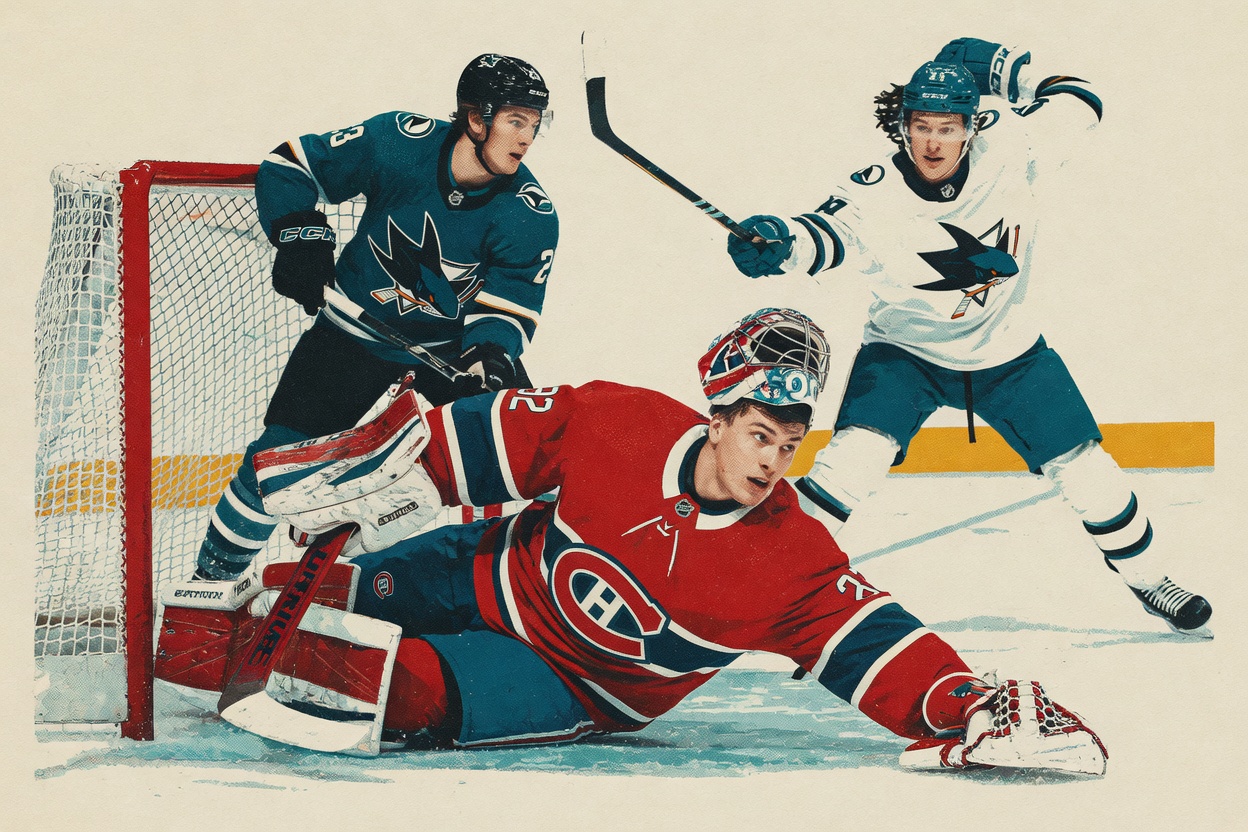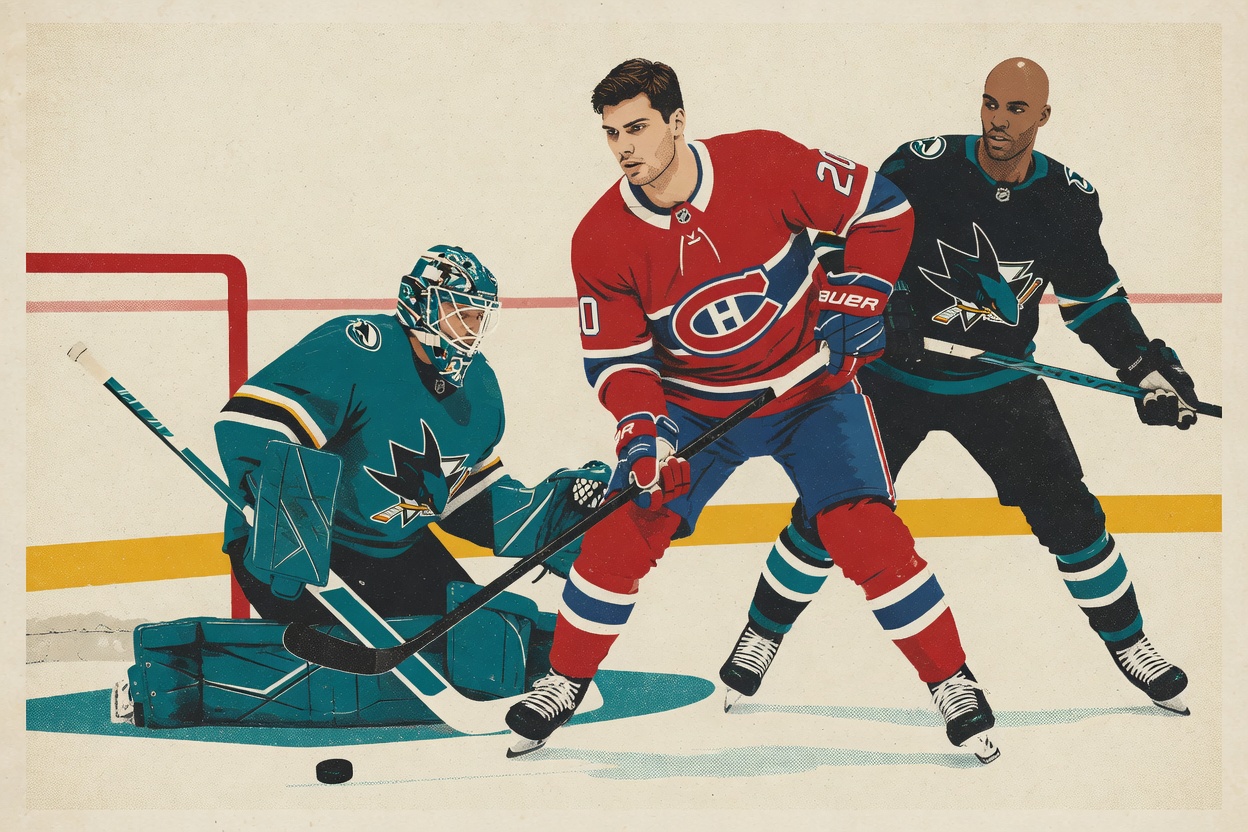
Everyone in Toronto wants to hand out an MVP trophy for Monday's 3-1 win over San Jose, and the debate has split three ways: Nick Paul's night, Matthews doing what Matthews does, or Gavin McKenna announcing himself as a fixture. The answer is Matthews, and it isn't close, but not for the reason his admirers think.
Start with the ugly part. Marchment opened the scoring in the first period after he was left alone in front of Bobrovsky when Matthews turned the puck over in his own zone. That's the Toronto captain, three games into a losing stretch, handing San Jose exactly the kind of goal a desperate team can't afford. Then, with twelve seconds left in the second period, Matthews took a pass from Kirill Marchenko and ripped a shot past Askarov to tie it. He assisted on McKenna's go-ahead goal and on Paul's empty-netter. A goal and two assists, touching all three Toronto goals in a game his own giveaway nearly cost them.
That's the real story, the unflattering one. People want to call this "continued dominance," and the raw numbers back it up, including his team-leading goal total and a power-play goal that put him third in franchise history behind Darryl Sittler and Mats Sundin for career power-play markers. But dominance that opens with a blown read in your own zone, leading directly to the other team's only goal, is something else. That's a star player spending sixty minutes cleaning up his own mess and getting celebrated for the cleanup. He deserves the game ball, giveaway and all.

 Rating
The McKenna case is the fun one to make, and it's easy to see the appeal of handing a teenager the headline. McKenna scored his first NHL power-play goal to put Toronto ahead for good, beating Askarov with a wrist shot after dangling into the slot, and in doing so became the fifth Maple Leaf age 18 or younger to score a game-winning goal, a list that goes back to Busher Jackson. In the same game, he lined up for the first time against Ivar Stenberg, the player picked one spot behind him in the draft. That's a genuinely good story. Being the difference-maker is another matter. McKenna's last shift came with better than ten minutes still on the clock. He scored the winner and then watched the rest of it from the bench. He earned the goal, and the finish belonged to the players still on the ice.
And Paul: I like the player, and an empty-net goal is useful, professional hockey. Calling it a breakout game is generous for a shift that ended with a shot into an empty cage, and calling it a signature night oversells it.

This wasn't a full team effort, no matter how the highlight package frames it. Easton Cowan finished without a point or a shot on goal in a short outing, and Toronto's coaching staff clearly didn't trust McKenna with the finish of a one-goal game he'd just decided. Bobrovsky made thirty saves to win his first home game with Toronto, and the NHL's top-ranked penalty kill held up by shutting out four San Jose power plays, so the structural pieces were real. But "complete team win" oversells a night where the best player on the ice also authored the opponent's only goal and the kid who scored the winner never saw the ice again.
Hand this game to Matthews. He was the most important player on the ice in both directions, the one who nearly lost it in the first period and the one who dragged his team back from his own mistake for the rest of the night. That split is the whole truth of this win, and Leafs fans who only want to repeat the second half of it are choosing comfort over honesty.