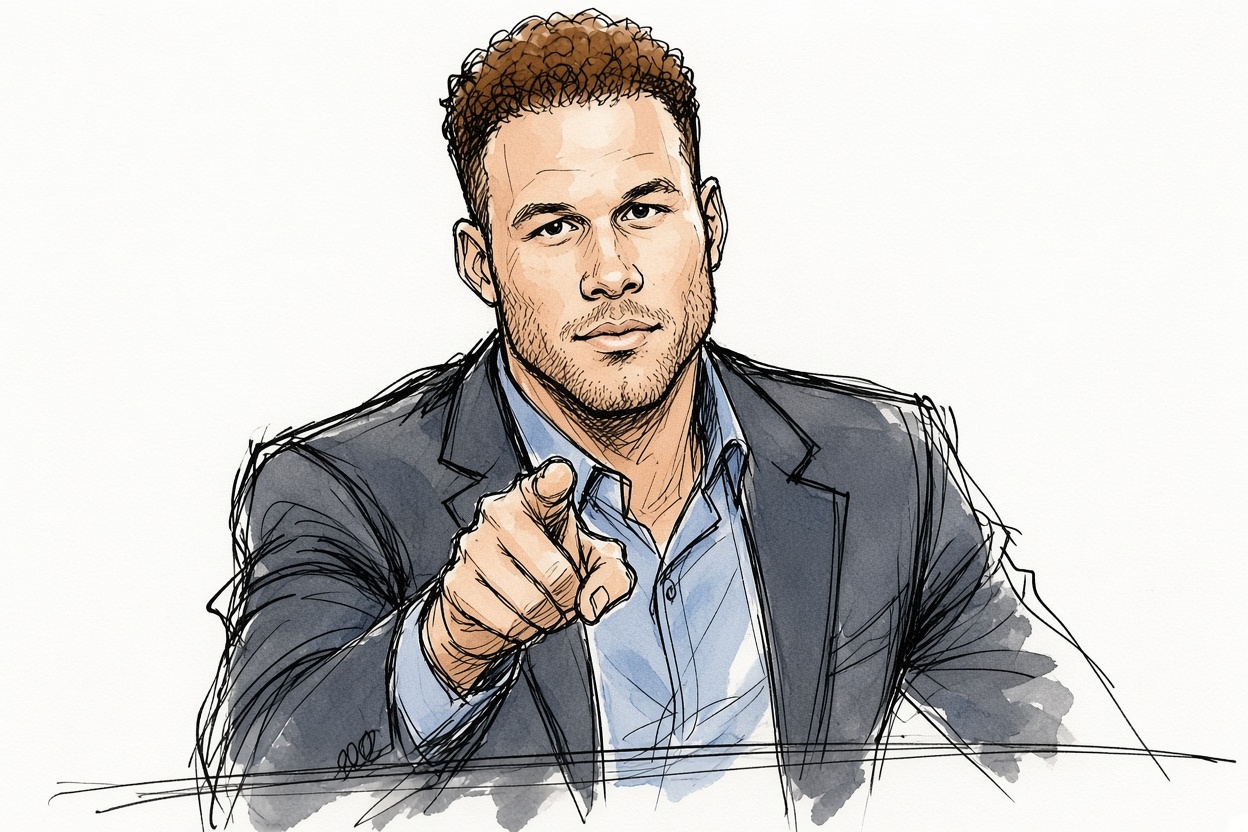
The owners are pricing ordinary fans out of this sport, and they're using your tax money as the down payment. Blake Griffin said it out loud on his Prime Video show, The Stepback, and the most damning thing about his rant is how little of it needs correcting.
The line doing the rounds: "And let's not forget that America's sports teams at large have received over $30 billion in subsidies for their stadiums and arenas." He closed the riff with the full fan-cost stack: "billions in local subsidies, ticket prices are shooting to the moon, and we still can't watch the games we want on TV for a price that most people can afford."
He also delivered the best one-liner anyone has written about this: "You know your prices are too high when the guy wearing $500 of authentic Yankees merch says, 'Your prices are too high.'"
The subsidy number holds up
Griffin's $30 billion is a round figure, and the independent tallies land right next to it. One estimate puts taxpayer spending on stadiums at nearly $30 billion over 34 years, and that's before counting property-tax exemptions or the federal revenue lost to tax-exempt bonds. Another compilation puts U.S. public stadium funding at roughly $33 billion from 1970 to 2020.
Economists are about as united as economists ever get on this one: state and local stadium subsidies are unlikely to produce economic benefits that exceed what they cost taxpayers. Every mayor and council member who signs one of these deals has had that research available for decades. They sign anyway, because a ribbon-cutting photo with a billionaire is worth more to them than your property tax bill.
Griffin's hometown is the whole case
The week before, Griffin went after the Thunder's new arena in Oklahoma City, where he grew up. Public funds cover roughly $850 million of a project of about $900 million. Thunder ownership is putting in $50 million. In Griffin's words, the people of Oklahoma "voted to pretty much buy the organization a new arena."
Now look at what those same fans pay to get in the door. In one ticket tracker's 2025 numbers, the Thunder posted the biggest year-over-year ticket price increase in the league, up 92.67%. The public is funding the building and the team is charging the public more to sit in it. That's a shakedown, plain and simple.
At the top end it's worse. During the 2026 Finals, tickets for a potentially decisive Game 6 were averaging $8,122 per person.
The market defense
The league's defenders have one real argument: this is just the market. Cities chose to bid, media companies chose to pay, buyers chose to buy. And cheap seats exist: last season the typical NBA game cost $31 to get into at game time.
That argument collapses at the first step. A market works when the seller carries his own costs. Owners moved their biggest cost, the building, onto the public, and then they price the seats as if they'd paid for it themselves. A $31 nosebleed doesn't change who covered the mortgage.
Then Adam Silver carved up the TV
The league office signed an 11-year media deal with ABC/ESPN, NBC/Peacock and Prime Video starting with the 2025-26 season. In the first season of that deal, Prime Video and Peacock combined for 101 exclusive games. Following the full national schedule now means ESPN access plus a Peacock subscription plus Prime Video, before you even get to your local games.
Griffin is an analyst on Prime's NBA coverage, lives in Los Angeles, and covers the league for a living. He still struggled to watch a Lakers game, which is why he went after Silver directly. If a man on one of the streamers' payrolls can't find the game in his own city, the average fan never had a chance.
That split was a choice. Spreading the season across three buyers maximized the rights fee, and the league office knew exactly who would pay for the inconvenience.
Who owns this
The owners who take public money and then jack up prices own this, and so do the politicians who keep writing the checks. Silver sold your season in three pieces, and you feel that every night you go looking for a game. Billionaires should pay for their own arenas, and a commissioner who makes fans buy three subscriptions has forfeited any claim to be on their side.