Brad Stevens built the team that's losing these games, and the four-game skid is his before it's anyone else's. When a team blows a double-digit lead three nights running on one road trip, the problem is who's on the floor when the game gets hard, and Stevens decided who that would be.

⚡ Upset:Warriors had a 27% chance before tip-off and beat Celtics 88–87.


The 88-87 loss at Chase Center was Boston's fourth straight, the first time this group has dropped four in a row since May 2021. It came against a Warriors team playing without Stephen Curry, one that had lost five straight since his injury. On this trip the Celtics led Denver by 17, Sacramento by 13 and Golden State by 11, and blew all three leads. This is a team that runs out of answers once opponents tighten up.
Joe Mazzulla put it down to two trends: "It's our inefficient offense and our ability to finish possessions with a rebound. Those are the two trends that have stuck throughout the four games." That's also a plain description of the roster. An inefficient offense is what you'd expect after losing your second-best creator and replacing him with cost control.
RatingRatingIn July, Stevens sent Jaylen Brown to Philadelphia for Paul George, two first-round picks (2028 and 2031) and two second-round picks (2028 and 2030). His explanation has been consistent: "We don't have the ability to pay free agents," he said, and on the real sticking point: "You have two max players, two max usage; those are the things you have to make a decision on." He made it, ending a near-decade partnership between Brown and Jayson Tatum, and by his own account Tatum wasn't consulted. You don't break up your franchise player's partnership without a word to him and then act surprised when he looks lonely out there.
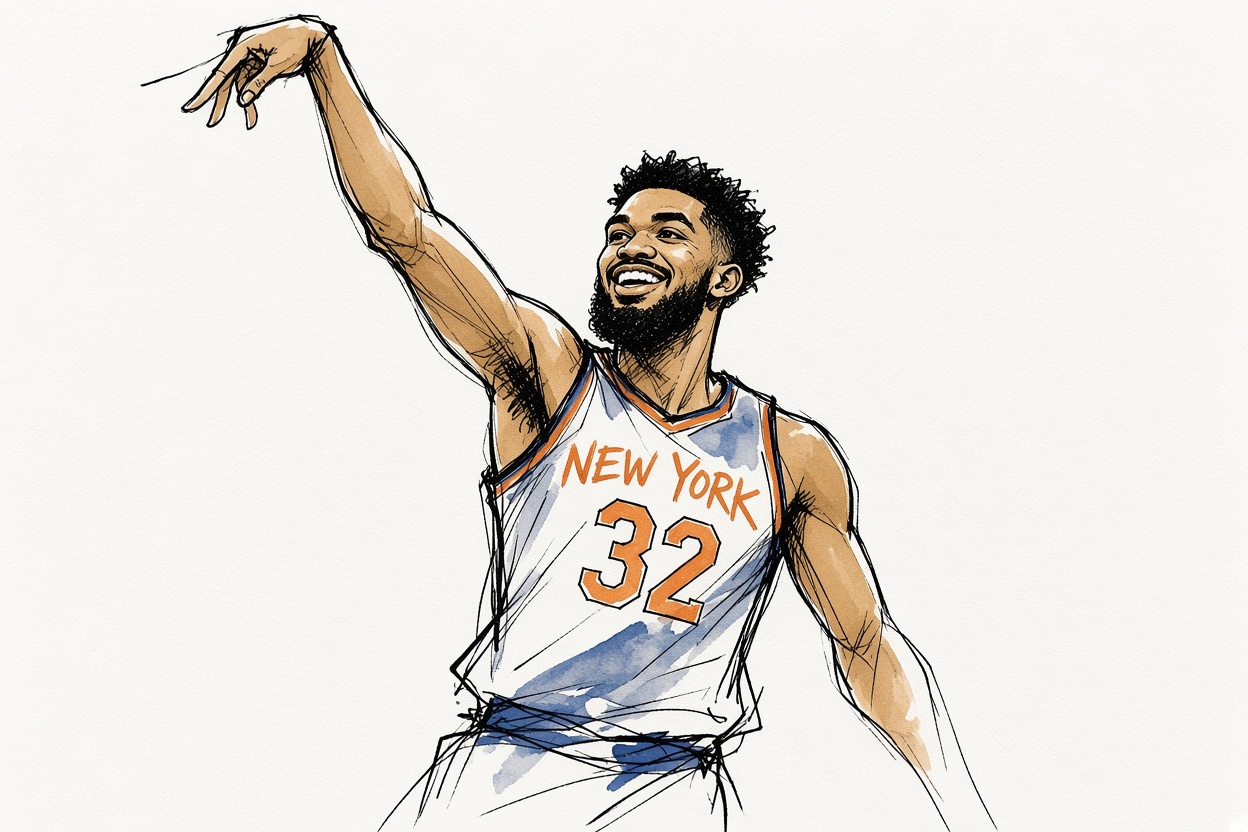
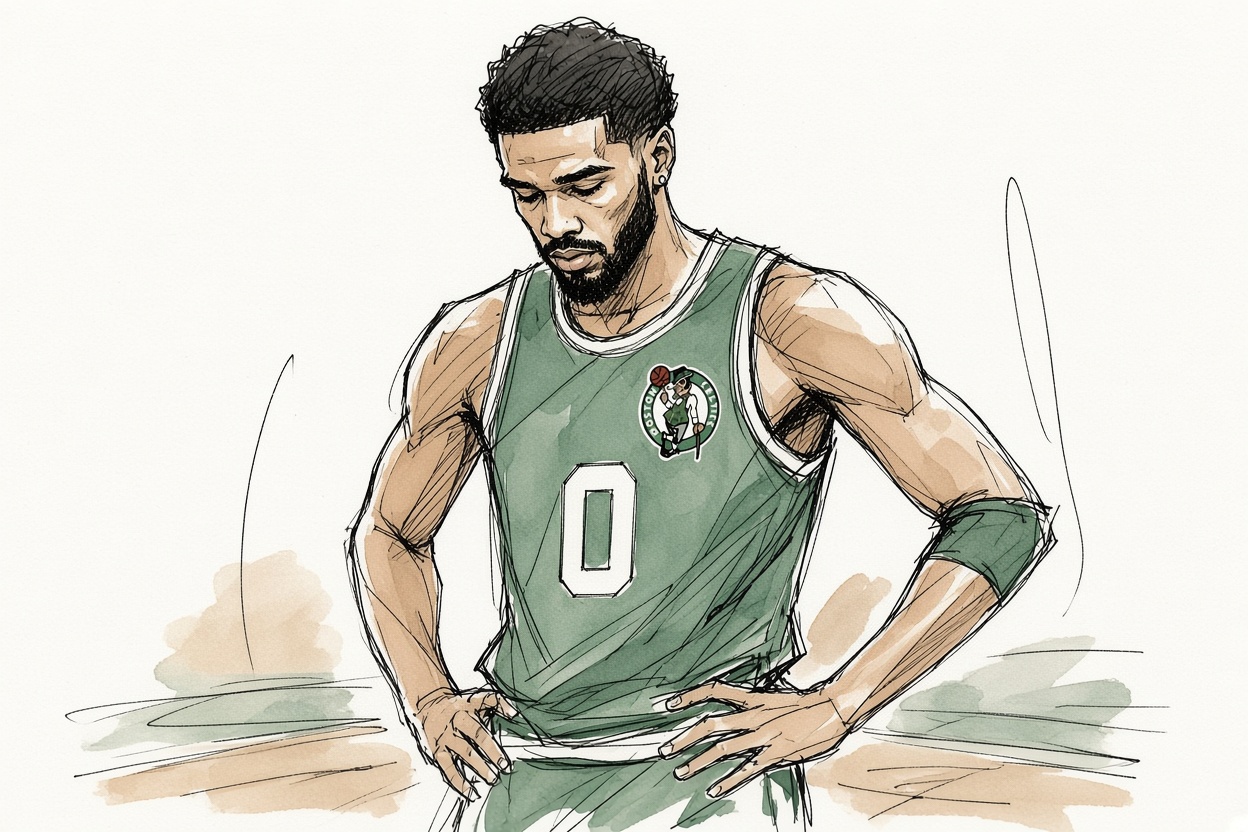
And he looks lonely. Tatum had 27 points, 10 rebounds and six assists against Golden State, on 8-of-20 shooting, and missed a potential game-winner. The shooting line is real, but so is the cause behind it. He was one of three Celtics in double figures, alongside Derrick White with 14 and Luka Garza with 10. Paul George, the headline return for Brown, wasn't among them. It was Boston's lowest scoring output of the season. When every important possession ends in one player's hands, his shooting percentage pays for everyone else's absence.
RTGThe case for patience: Boston is 11-6 after this loss, the defense held a team under 90 (the first time in five years that neither the Celtics nor their opponent reached 90), and shooting slumps end, so this is still a team that can win 55-plus games once the threes start falling. The defense is real, and Mazzulla's shot selection has earned its share of the anger, the Sacramento loss especially. But slumps end for teams with enough players who can create a good look when the first one gets taken away. Four straight games of the same breakdown, the same blown leads, is the offense this roster produces when nobody besides Tatum can bend a defense. The trends stuck for four games because the roster is built that way.
Meanwhile Philadelphia, armed with Brown, added LeBron James in free agency and entered this week at 14-3, first in the East. The 76ers did the thing Stevens said was untenable: they stacked expensive, high-usage players and dared the math to stop them. Maybe the bill catches up with them in a couple of years. Today they're winning, and Boston is holding picks for 2028 and 2031.
Stevens has shown he can pay players he believes in. In 2024 he gave White a four-year, $125.9 million extension, and that deal still looks smart. That makes the Brown trade worse: the money argument was always a choice about who was worth it. He chose flexibility over Tatum's best teammate, without asking Tatum, and every one of these four losses belongs to him.