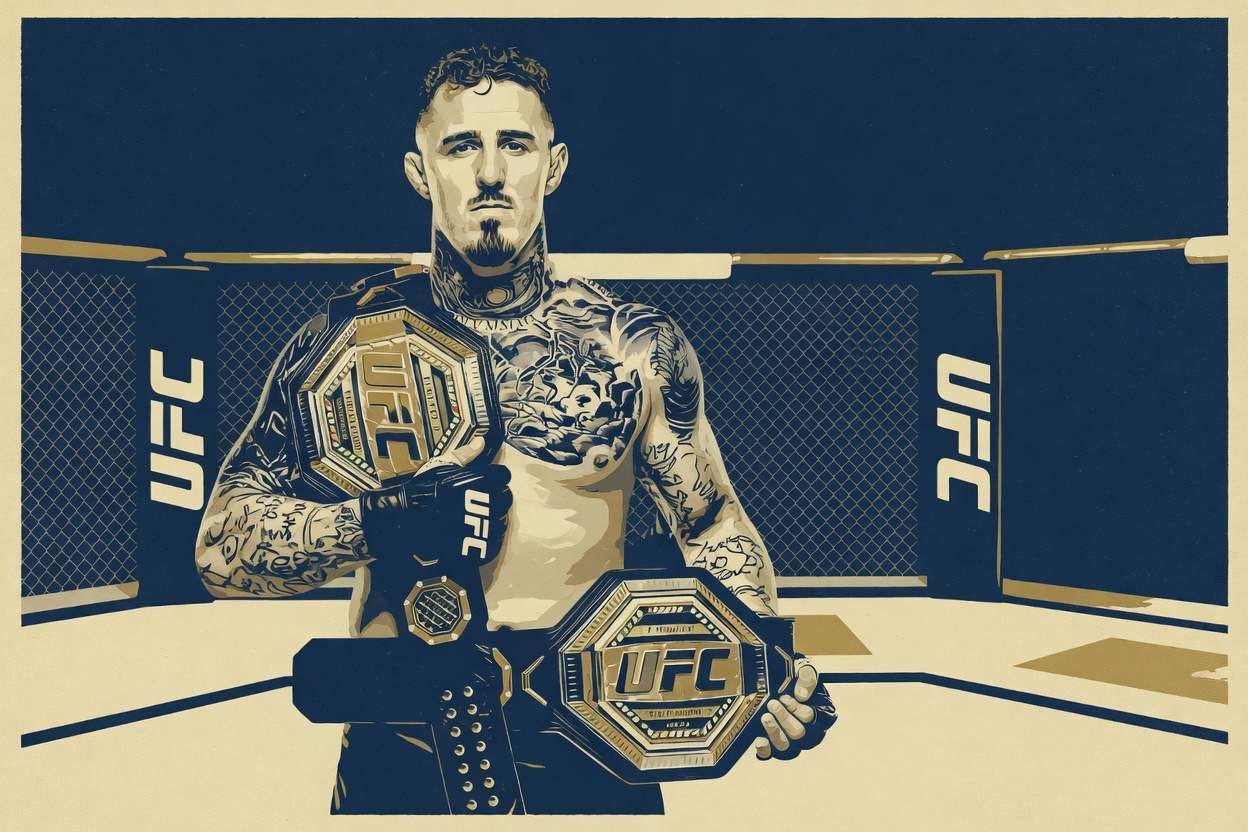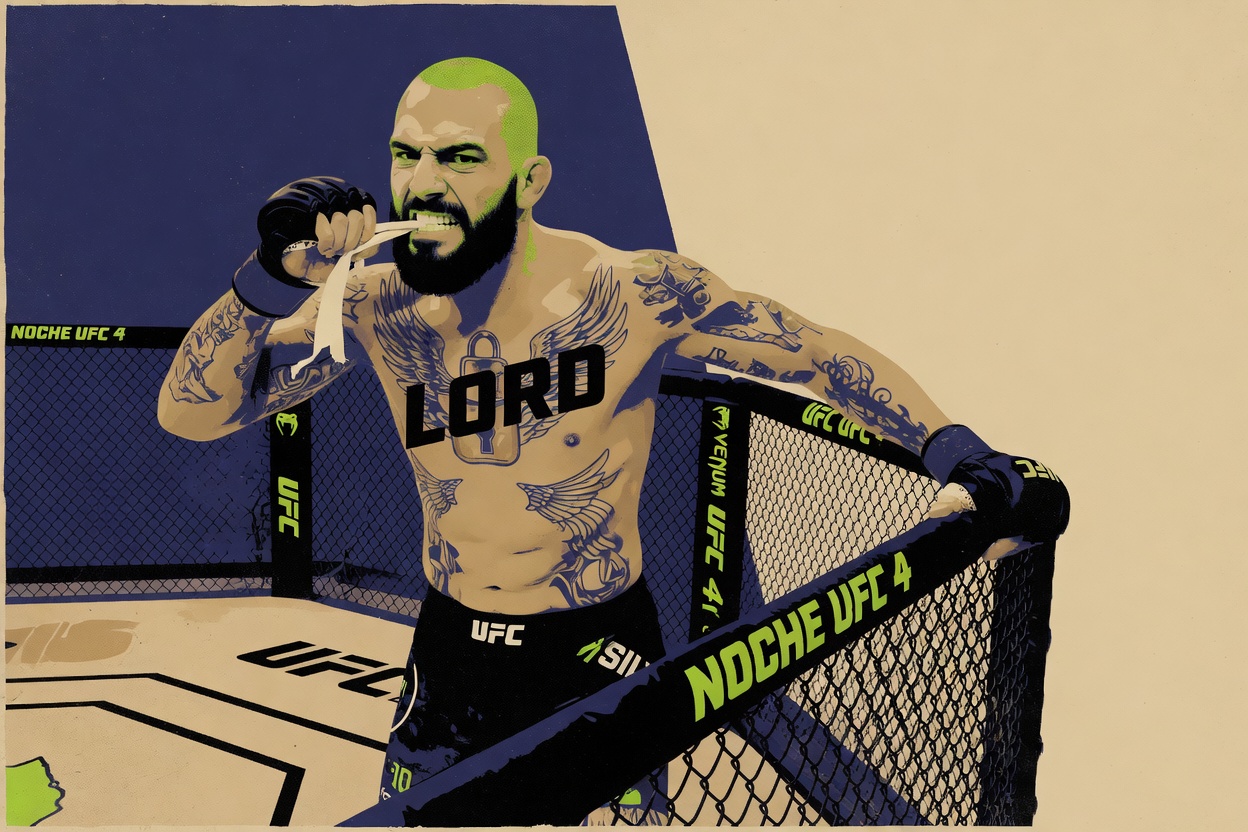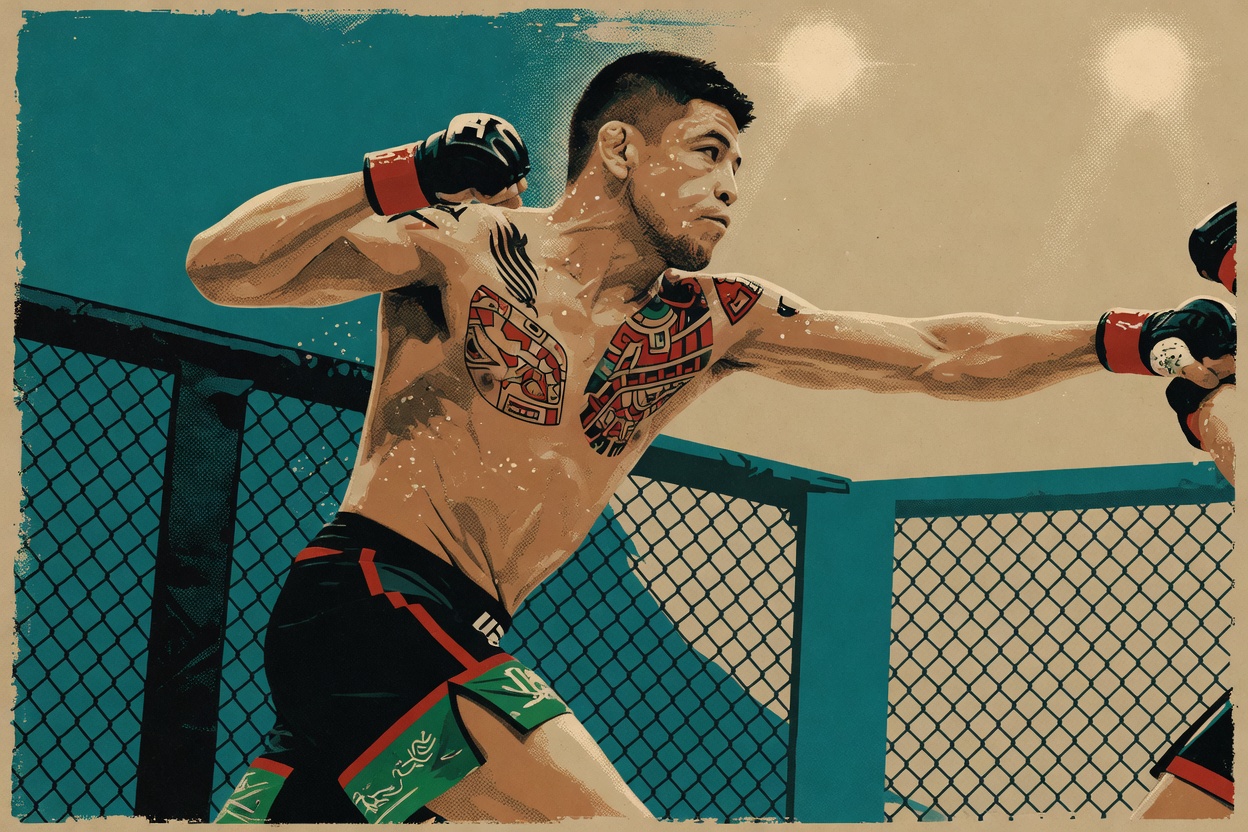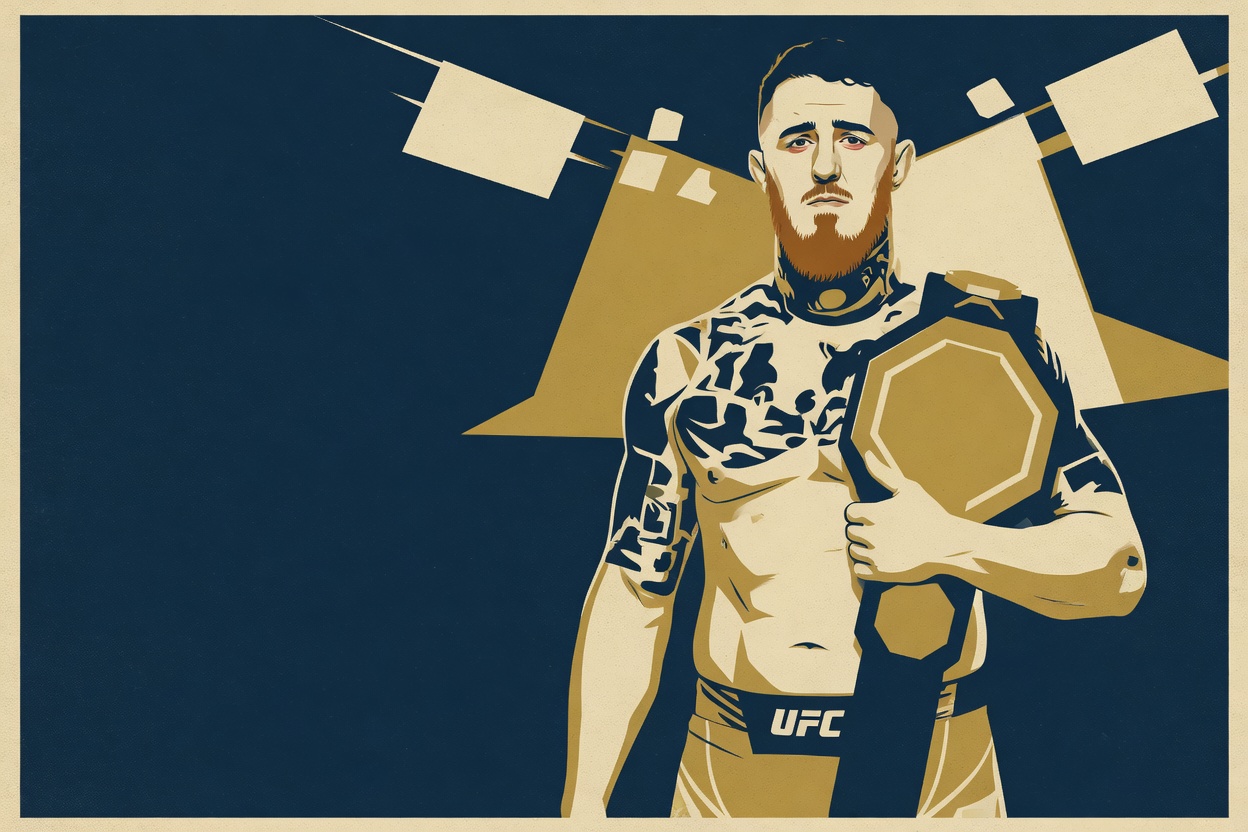
There is unlucky, and there is a habit. Brian Ortega's withdrawal from UFC 331 lands squarely in the second category, and no amount of sympathy for a fighter who says he was having the best camp of his life changes that.
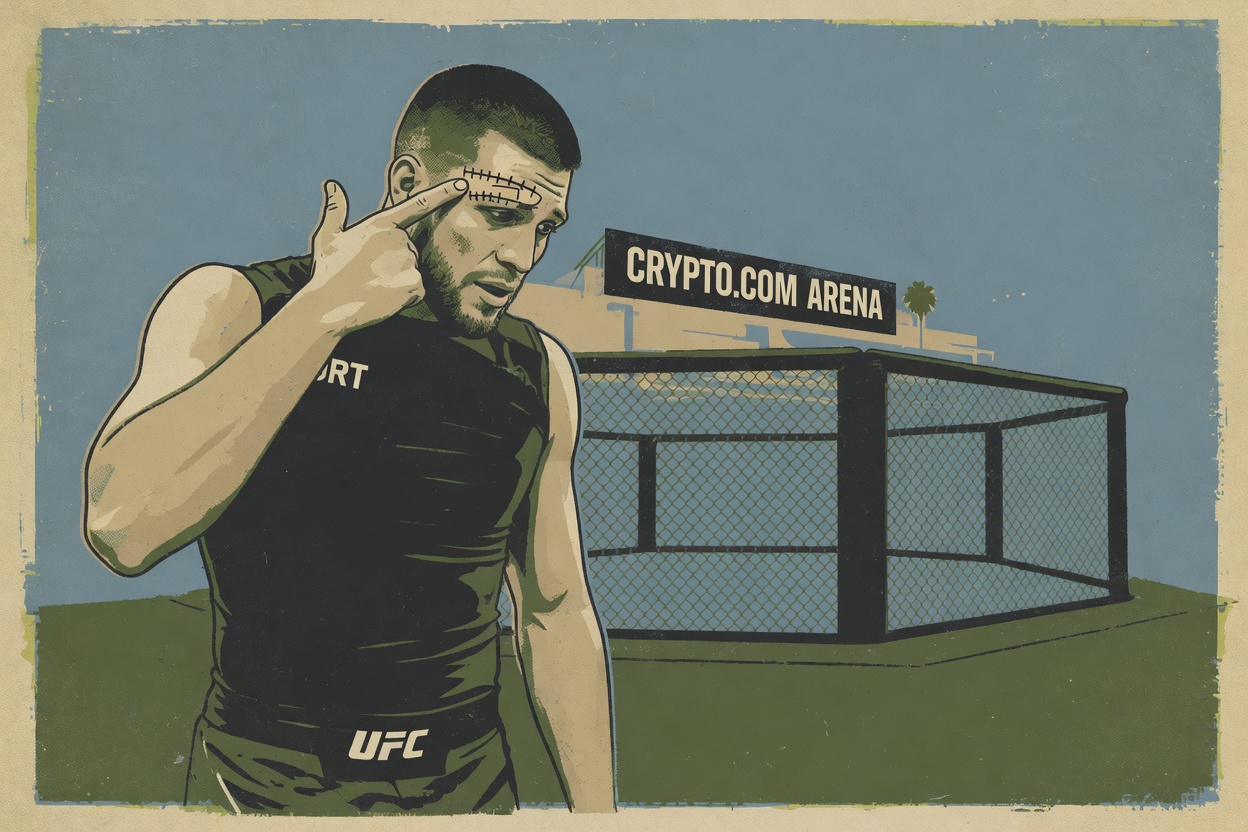
Ortega is out of Saturday's card at Crypto.com Arena in Los Angeles, done in by a cut requiring stitches that he picked up in training. The UFC confirmed it and scrapped the fight, and the timing was brutal: the 35-year-old pulled out on five days' notice. His statement had real ache in it. "I have to pull out of the fight because of the stitches in my eye. I'm on weight, I've been training my ass off, and this has honestly been one of the best camps I've ever had," he wrote, adding that he'd been "really looking forward to fighting at home in Los Angeles."
I believe him. I also don't think it matters anymore.
The same fight, gone twice
This wasn't the first time this exact matchup fell apart. Ortega and Renato Moicano were booked at UFC 326 on March 7 in Las Vegas, and Ortega withdrew from that one too, citing nagging injuries. Both bookings collapsed, and both times Moicano was left holding the bill. That's a trend, not a coincidence a matchmaker can shrug off.
Moicano, understandably, was furious. "Quite simply, the easiest fight in the division just slipped right through my fingers," he said. "And I was pissed, I was angry, but there's nothing I can do about it... because of this guy who's always pulling out." He kept going, and the part that should stick with the UFC wasn't the anger, it was the arithmetic of what a cancelled fight actually costs the other guy: "you have to cut weight, you spend money on training, you spend hours not producing content." Then he turned straight to the business side: "No one else will trust you, who would want to fight Brian Ortega now?"
That's a fighter venting, not a neutral verdict. But he's asking the right question.
The pattern is older than this rematch
Strip away the emotion and look at the record. Ortega has managed only five fights in the last five years, roughly one a year, with a single win among them. He's on a two-fight losing skid to Diego Lopes and Aljamain Sterling, and he hasn't fought since losing a decision to Sterling in August 2025.
The cancellations stretch back well before Moicano. In June 2024, Ortega withdrew from a UFC 303 main card bout against Lopes on the day of the event when his body shut down during the weight cut, forcing Dan Ige to step in on a few hours' notice. That fight was later rebooked for UFC 306 in September, where Ortega lost by unanimous decision. Go back further and he pulled out of a December 2019 main event against Chan Sung Jung weeks out with a torn ACL. And there's the near-catastrophe that shadows all of it: he nearly died cutting weight before an earlier bout in Shanghai.
The throughline is uncomfortable. The move to lightweight that was supposed to fix the weight problem has itself been postponed for more than a year, first by the UFC 303 collapse, now twice by this Moicano booking. The remedy keeps getting cancelled by the same forces it was meant to cure.
What this does to a card
When the fight fell apart, the ripple ran through the whole lineup. Every bout scheduled before the rematch moved up a spot, which pushed Gable Steveson's second Octagon appearance, against Sean Sharaf, from a featured prelim into the main card opener. With no replacement fight brought in, UFC 331's early prelims are down to three matchups. One withdrawal, and the promotion is re-plumbing an entire event on fight week.
Moicano, at least, landed on his feet. He'll headline UFC Vegas 123 on October 31 against 11th-ranked Tom Nolan at the Apex, his fourth UFC main event, this time against an Australian carrying a five-fight win streak. Good. He earned better than being a punchline in someone else's medical history.
The bigger question for the UFC
Ortega isn't faking anything, and a real cut is a real cut. Still, reliability is a skill, and availability is a stat, and by both measures he's become an enormous risk to build around. When you make a fighter the centerpiece of a rematch that's already died once, you are betting against a documented history of him not making it to the cage. That's a bet the UFC keeps placing anyway.
And it's not an isolated month. Earlier in this same September cycle, Yair Rodriguez pulled out of a Jean Silva fight set to headline Noche UFC on September 12, explaining that after trying to work through an injury, "it wasn't responsible to compete under these conditions." That's a different story with a different, sympathetic explanation, and Rodriguez doesn't carry Ortega's serial-withdrawal baggage. But the common thread is systemic, not personal: two card-warping withdrawals from marquee-adjacent fights inside roughly a week, both from stars who've barely fought in years.
Which raises the fair question the UFC should be asking itself before it prints the next poster. How much weight does it put on a fighter's recent activity and injury record when deciding who anchors a card? Ortega's talent was never in doubt, but his ability to show up now is, and matchmaking that treats those as the same thing keeps producing weeks exactly like this one.
For what it's worth, Ortega says he's not done, teasing a return date of his own: "My next fight is in soon, so I'm getting right back to training. I'll see you guys in November." That's his claim, not a UFC booking, and given the last two years, I'd wait to see the walkout before I bet on it.