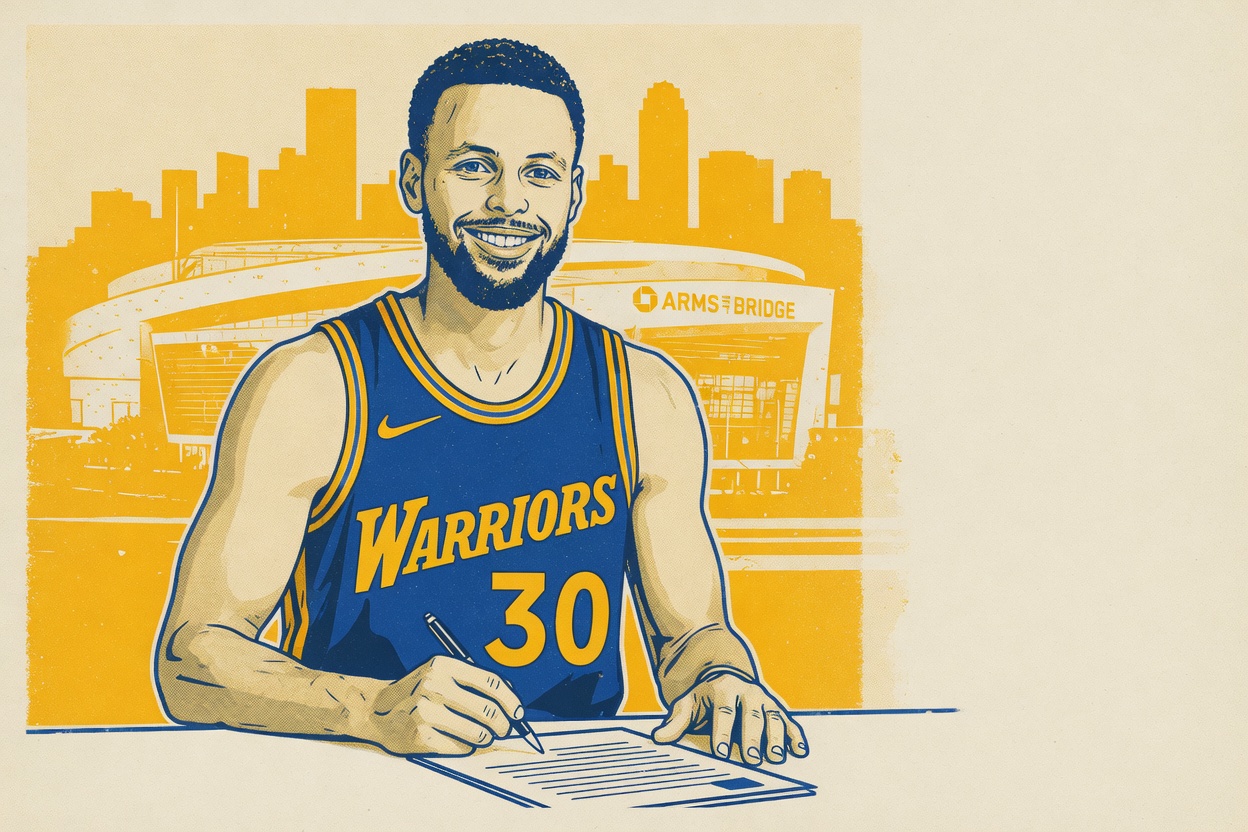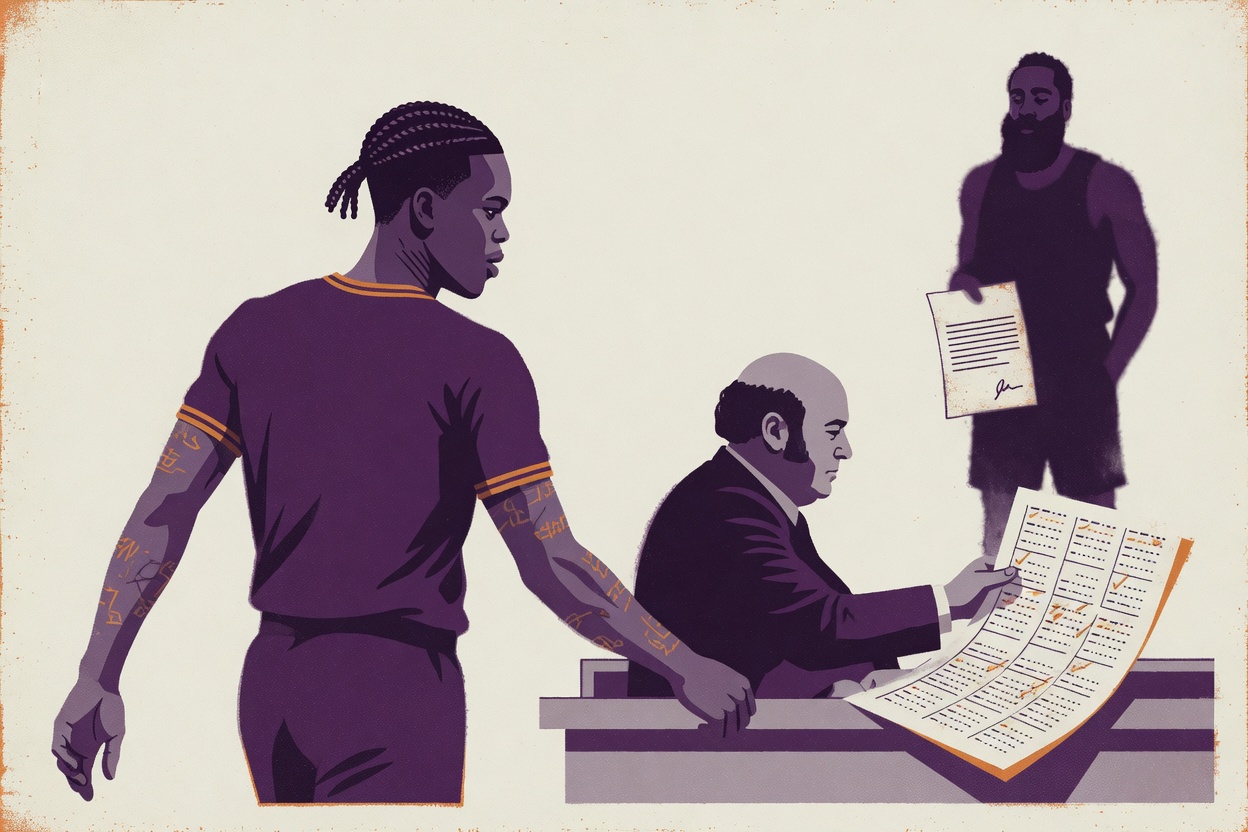
Cleveland made its choice, and it's a bold one. Trading Dennis Schroder and cash to Charlotte for Tre Mann isn't really a basketball swap. It's a bet.
The Cavaliers agreed to the deal Friday, August 14, and the logic is right there in the numbers. Schroder is owed $14.8 million this season. Mann makes $8 million. That's real, immediate savings, and it keeps Cleveland comfortably under the second apron with room to keep hunting for roster moves. On a spreadsheet, this is clean. On the floor, it's a downgrade at guard depth, and that's worth sitting with for a minute.
Look at what Cleveland gave up. Schroder is 32, a German veteran who averaged 10.8 points and 4.9 assists over 70 games last season between Sacramento and Cleveland. He's played at least 60 games in each of the last 12 seasons and at least 70 in each of the last three. He's logged 91 career playoff games. In a league where availability is currency, he shows up. Charlotte, which hasn't reached the postseason since 2016, just added a guard who knows exactly what April basketball demands.
Now look at what came back. Mann, the 18th pick in the 2021 draft, appeared in 53 games last season for the Hornets, averaging 5.5 points, 1.7 rebounds and 1.6 assists in 12.6 minutes a night. There's upside there, and he's younger and cheaper. But nobody should confuse his role last year with what Schroder gave the Cavs off the bench.
Cleveland made this move because of James Harden.
Harden declined his $42.3 million player option on June 29 to become an unrestricted free agent, a move framed at the time as him buying the Cavs some financial breathing room. The plan was supposed to fund a splash. Cleveland chased LeBron James in free agency; James signed with Philadelphia instead. The Cavs have reportedly pursued Jonathan Kuminga, Peyton Watson and DeMar DeRozan since. As of this writing, none of it has landed.
Which leaves Harden as the whole ballgame, and Harden still isn't signed.
Most of the reporting is optimistic. Jake Fischer of The Stein Line says a deal is expected soon and that it's likely to max out at no more than two guaranteed years. ClutchPoints makes the strong counterpoint that Harden has almost nowhere better to go: only three teams sit under the cap, none of them a serious threat, and a sign-and-trade to Houston is the lone exotic alternative floated. By that read, Harden's leverage is thin and Cleveland's is fine.
But a deal you expect and a deal you've signed are not the same thing, and the Cavs just committed to the roster consequences of the second while still living in the first. And the longer this drags, the more that matters. There's reporting out of Cleveland suggesting Harden could ask for more if the front office keeps whiffing on wings, and Fischer has flagged that wrapping up Harden might force the Cavs to abandon their Kuminga and Watson pursuits entirely. So the cap room this trade created could wind up getting spent just keeping the guy the whole plan depends on.
This is a defensible move if you believe Harden re-signs, and the smart money in the reporting says he does. Getting under the second apron is genuinely valuable, and Mann is a fine flier at his price.
My issue is the sequencing. You don't usually cash out a proven playoff guard before the centerpiece signature is on the page, especially after a summer where every other target said no. If Harden signs next week, this looks shrewd. If the timeline slips, or the price jumps, or Houston finds a way, Cleveland is thinner at guard with a plan still waiting on a name. It's not a prediction that this fails so much as a warning that the Cavs left themselves no cover if it does.