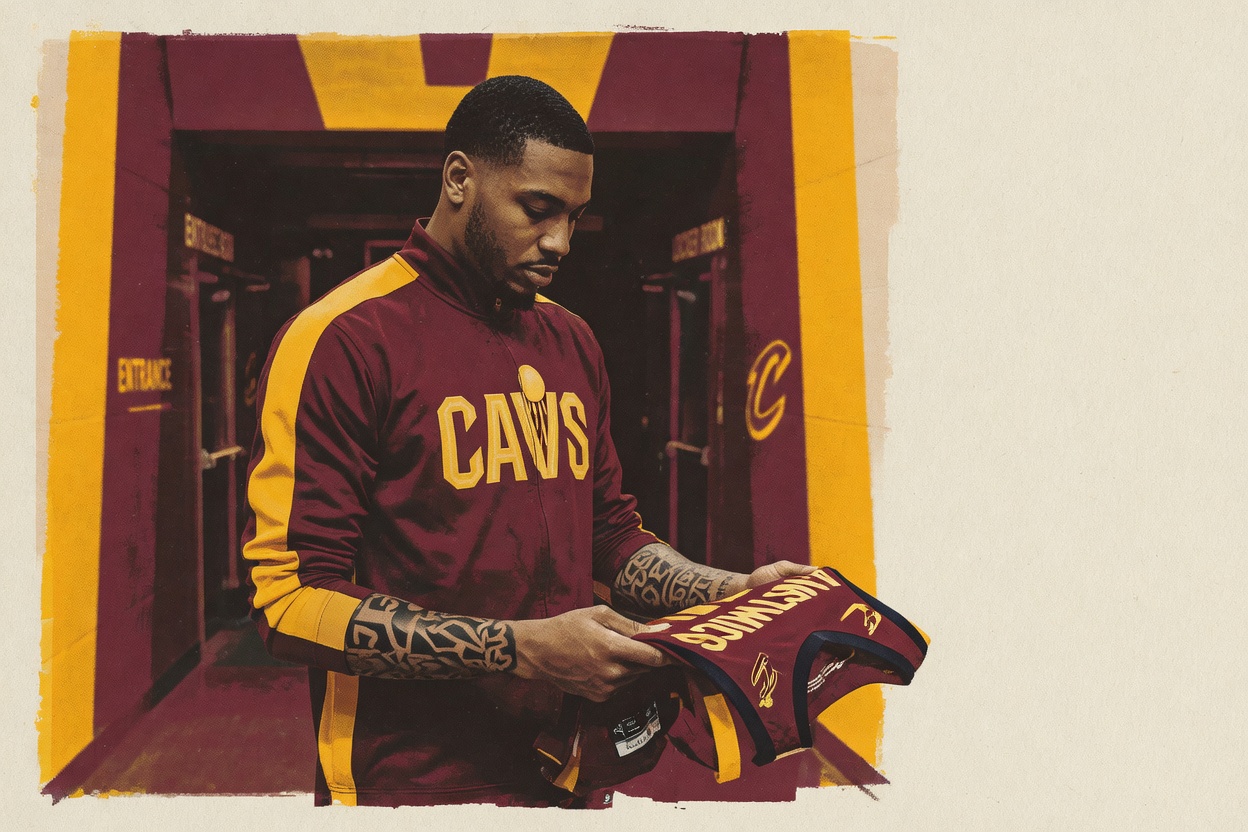
Cam Whitmore was a Cleveland Cavalier for eight days. He never played a minute. He was waived on Friday, August 28, a day before the deadline to stretch his salary, and the whole thing went exactly the way everyone knew it would from the moment he arrived.
This wasn't a young player who came in, got a look, and lost a numbers game in training camp. Whitmore was acquired as part of the five-team Peyton Watson deal, and it was obvious from the day the trade was announced that he wasn't sticking around. The reasoning was plain from the start: this was never about his basketball ability, it was about the salary cap. Nobody around the league disputed that. It was the consensus read before the trade even settled.
The mechanics explain the whole story. When Cleveland brought in Watson via sign-and-trade, the team hard-capped itself at the first apron. It also agreed to bring James Harden back on a three-year, $97 million deal, with a player option for 2028-29 and a trade kicker. When Whitmore was waived, Harden's deal had been agreed to but wasn't yet officially signed. The room to make it official had to come from somewhere. That somewhere was a 22-year-old on an expiring rookie contract.
So Cleveland used the stretch provision, spreading Whitmore's roughly $5.46 million salary across three seasons and dropping his 2026-27 cap charge to about $1.8 million. The savings: somewhere near $3.6 million in additional space beneath the apron. That's what Whitmore was on paper: a release valve worth $3.6 million, not a wing or a prospect worth building around, a line that could be moved to make the math close.
Front offices don't get credit for sentimentality, and the collective bargaining rules turn roster building into a spreadsheet exercise where every dollar under the apron is scarce. If your options are keeping a young player you didn't target and blowing up a Harden deal you spent the offseason arranging, or waiving him and saving $3.6 million, you waive him. That's not villainy. It's the game as it's currently written.
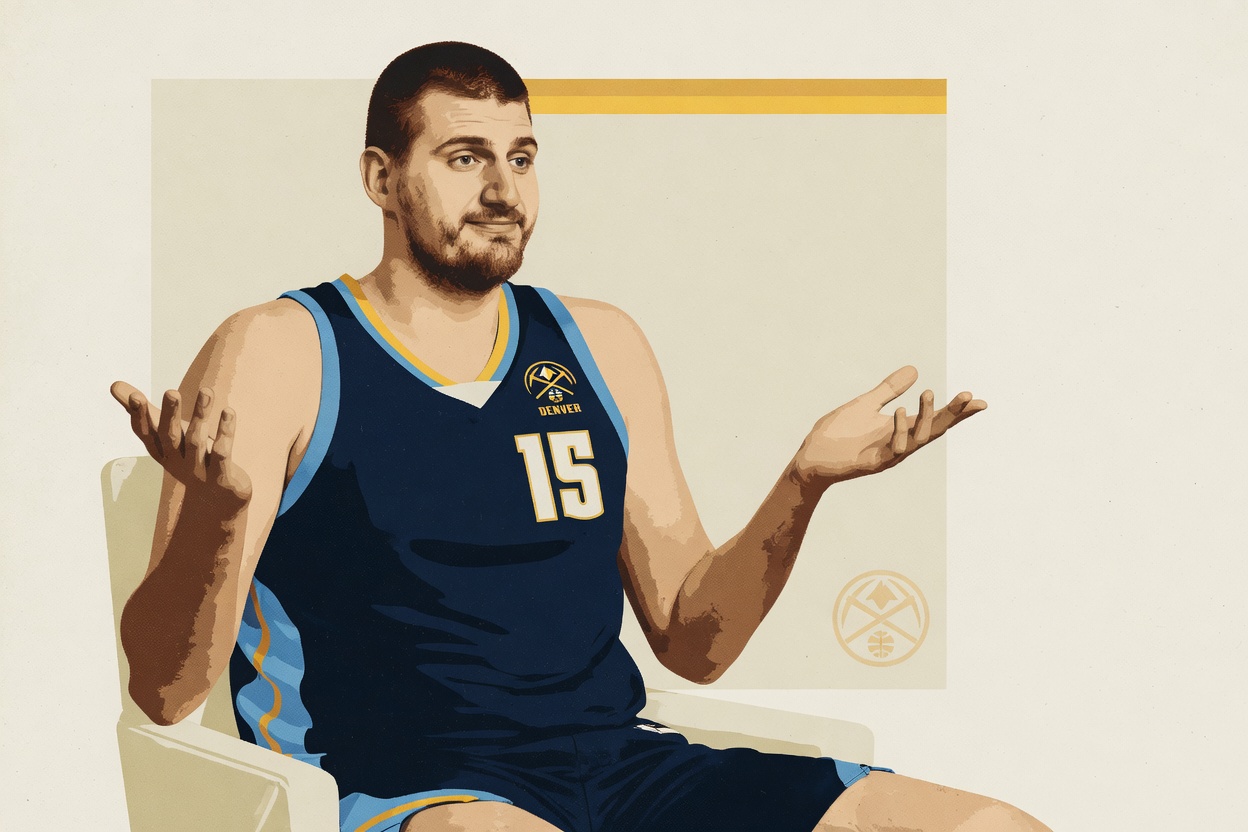
But the contrast inside this same trade is what makes the point. Watson, the wing Cleveland actually wanted, got a four-year, $88 million commitment. He broke out for Denver last season, averaging 14.6 points and 4.9 rebounds across 54 games while shooting better than 41 percent from three, the exact long, athletic two-way profile the Cavs have chased for years. Two young wings, same week, same trade. One gets an $88 million bet. The other gets stretched off the books without playing a possession.
None of this is a knock on Whitmore. There's a person underneath the transaction. He was the 20th overall pick in 2023 out of one year at Villanova, spent his first two seasons with the Rockets, then got moved to Washington last offseason for two second-round picks. His lone Wizards year was cut short by a scary medical issue, a blood clot in his right shoulder, a deep vein thrombosis discovered after he'd appeared in 21 games. He averaged 9.2 points and 2.8 rebounds in about 17 minutes a night in that stretch. This is a player whose value was already dinged by a health scare, moved for spare draft picks, then moved again into a situation built to spit him back out. If he clears waivers, he becomes an unrestricted free agent within days. Where he lands is anyone's guess.
That arc, three teams in a couple of years, a serious injury in the middle, and now a team that acquired his contract mostly to discard it, is the version of NBA player movement the highlight reels never show. We talk a lot about players controlling their destinies, choosing their spots. Whitmore's last two years are a reminder that for most young players on cheap deals, the flow runs the other way. They get acquired to balance a ledger and cut once the ledger balances.
Cleveland is doing what smart, aggressive teams do after falling short. The Cavs made the Eastern Conference Finals and got swept there, and they've spent this offseason retooling hard around Donovan Mitchell and Harden. Getting Watson and keeping Harden is a defensible plan. I'd probably make similar moves. There's word they also plan to sign a draft-rights rookie to squeeze out every last dollar of flexibility, though that's still just a plan, not a done deal.
My issue is with the system that made this decision so cold and so obvious, not with Cleveland for making it. Whitmore was never really evaluated as a Cavalier, just processed through as one. Eight days, zero games, and a cap number that mattered more than anything he could have done on the floor. If you want to understand how the modern NBA treats young, cost-controlled talent, you don't need a stat sheet. You just need to count the days.