Stop calling it rigging. Rigging implies a secret handshake, a backroom deal nobody's supposed to know about. What Hunter Yurachek's committee actually did is worse, because it happened in plain sight and nobody bothered to explain it to you.
The first College Football Playoff rankings of 2026 came out Tuesday, reflecting games through October 31. Miami, Georgia, Utah and Indiana sit one through four. Fine. Then look down the list. The SEC placed 10 teams in the top 25. The ACC, the next conference in line, placed two. Ten versus two. When one league is lapping the field by that margin in a human-decided ranking, fans want to know if the fix is in. The honest answer is no, and the honest answer is still damning.
Months ago, when nobody was watching, the committee enhanced its conference strength metric as the SEC moved to a nine-game conference schedule. In plain terms: it tweaked the formula to reward teams playing more games inside a strong league, in the same offseason the strongest league added a conference game. Feed that formula a season and it spits out a pile of SEC teams getting the benefit of the doubt. It's a rule change working exactly as designed.
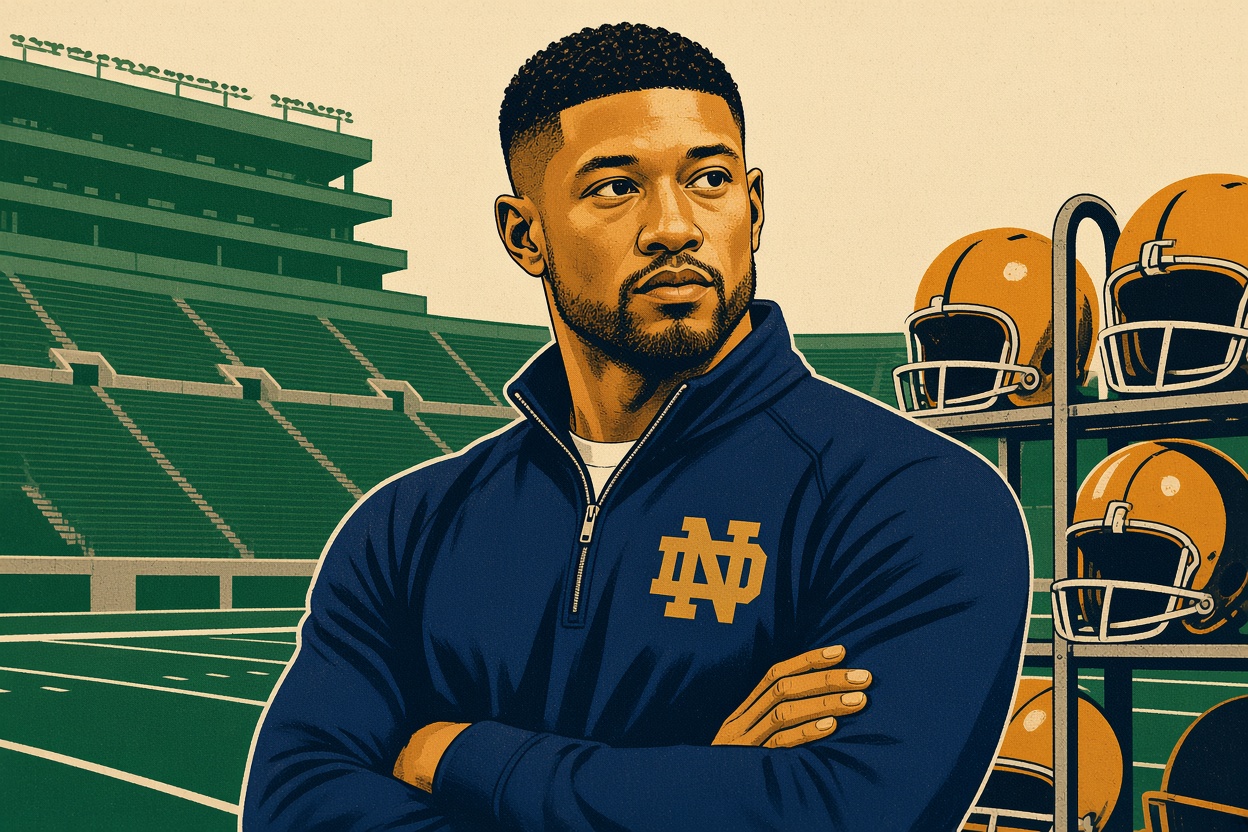
Which brings us to Alabama at No. 5 with a 6-2 record. A good chunk of the country watched Tennessee pound the Crimson Tide 26-10 back in October, DeSean Bishop running for 159 yards and two scores, a loss that dropped Alabama to 5-2 and gave it back-to-back regular-season losses for the first time since 2007, right after it had lost to top-ranked Georgia the week before. That team is now the fifth-best in the sport, according to this committee. The AP poll, filled out by people who watch film every week, has Alabama ninth. On the same ballots, Notre Dame sits fourth in the AP and sixth in the Coaches Poll. The committee has the Irish eleventh, seven spots lower.
You don't need a smoke-filled room to look at that spread and get angry. A two-loss team that just got blown out, parked five spots above an unbeaten résumé case and seven above where the voters have Notre Dame, is the hardest thing in these rankings to defend. And the committee's answer is a metric nobody outside the industry knew about in August.
Win-loss records don't capture who you beat or who you played. A 6-2 run through a brutal SEC slate can genuinely be worth more than a cleaner record built on softer opponents, and weighing that is literally the committee's job. If the committee believes Alabama's schedule makes it the fifth-best team in the country even after Tennessee, it should say that, in plain English, to the fans paying for the sport. It won't.
The committee isn't stacked with SEC loyalists, either. Of the 13 members, only one sitting athletic director currently works in the SEC. Gus Malzahn is on the panel, and yes, he won a national title as Auburn's offensive coordinator in 2010, but that's a long time in the past, not a paycheck he's drawing now. The roster doesn't prove capture. You have to prove it on the outcomes, and the outcomes are what's damning.
The villain here is a committee that rewrote its own scoring system in a way that was always going to tilt toward the conference with the most at-large contenders, then called the result objective measurement and dared the public to argue with the math. The public is arguing with the math. It's right to.
None of this is final. The committee updates every Tuesday through December 1, with the real bracket set December 6, and last year it ranked Miami behind Notre Dame for weeks before flipping the Hurricanes ahead at the finish. This crew moves the furniture late. There's time to climb down off the Alabama ranking. The clustering at the top is no surprise, and nobody should pretend otherwise. A formula built to help the SEC is helping the SEC. Yurachek's committee built it, and until someone on that panel explains the Alabama line out loud, the burden of looking rigged belongs to them.