China's response to Kylian Mbappé is pathetic and it is calculated, and the people pretending you have to choose between those two things are missing the whole act. A government and a corporate-media culture too brittle to tolerate a joke about a man who has been dead for decades decided to disappear a living global superstar from a major sporting record. The thin skin is real, and so is the performance of it, and Beijing's apparatus can pull off both at once, instantly.
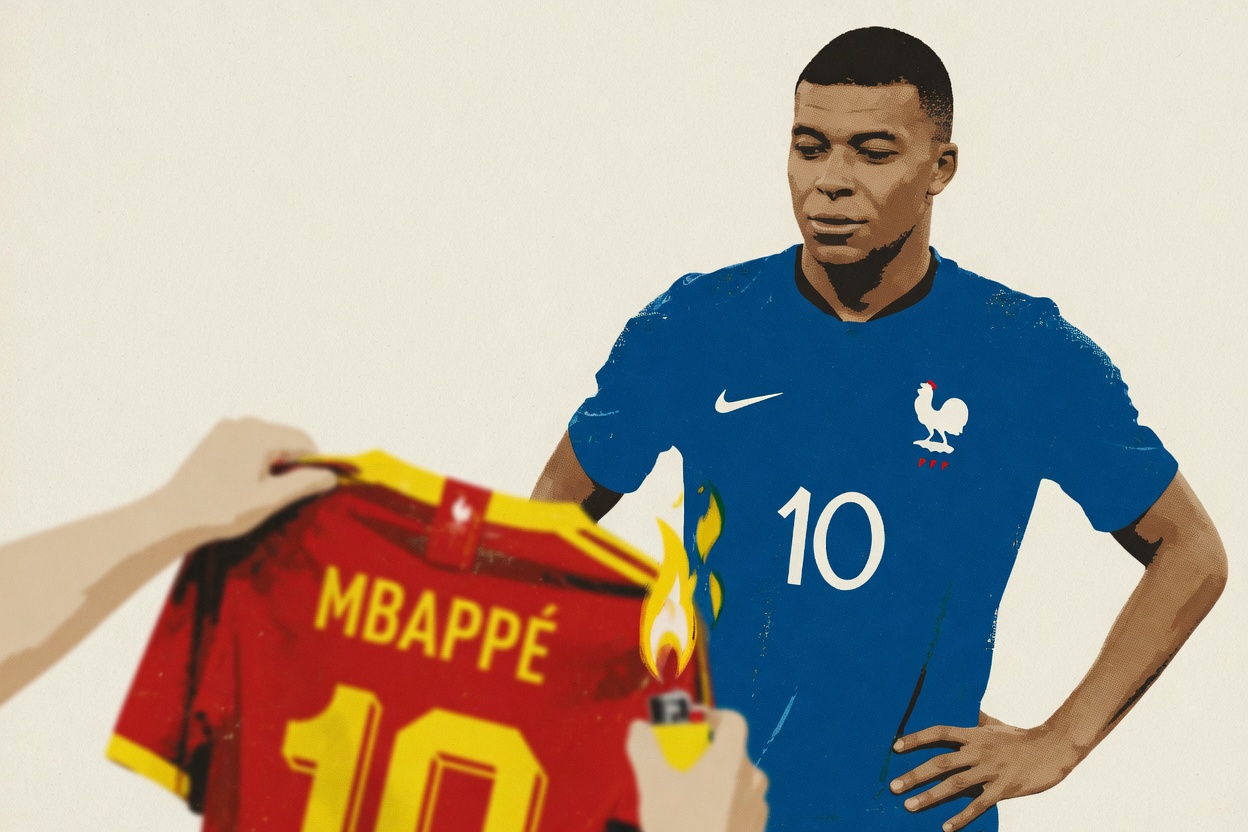
Start with what actually happened, because it is absurd. Mbappé, sitting in a makeup chair on a French show, was asked to name his favorite meme of himself and described a video of "a Chinese dictator." He never said Mao's name. An edited video splicing his face onto Mao is what makes that connection. The clip aired roughly six months ago and had been floating around online for months before anyone in China decided it was a crisis. It resurfaced on a forum around Ballon d'Or week and then everything moved at once.
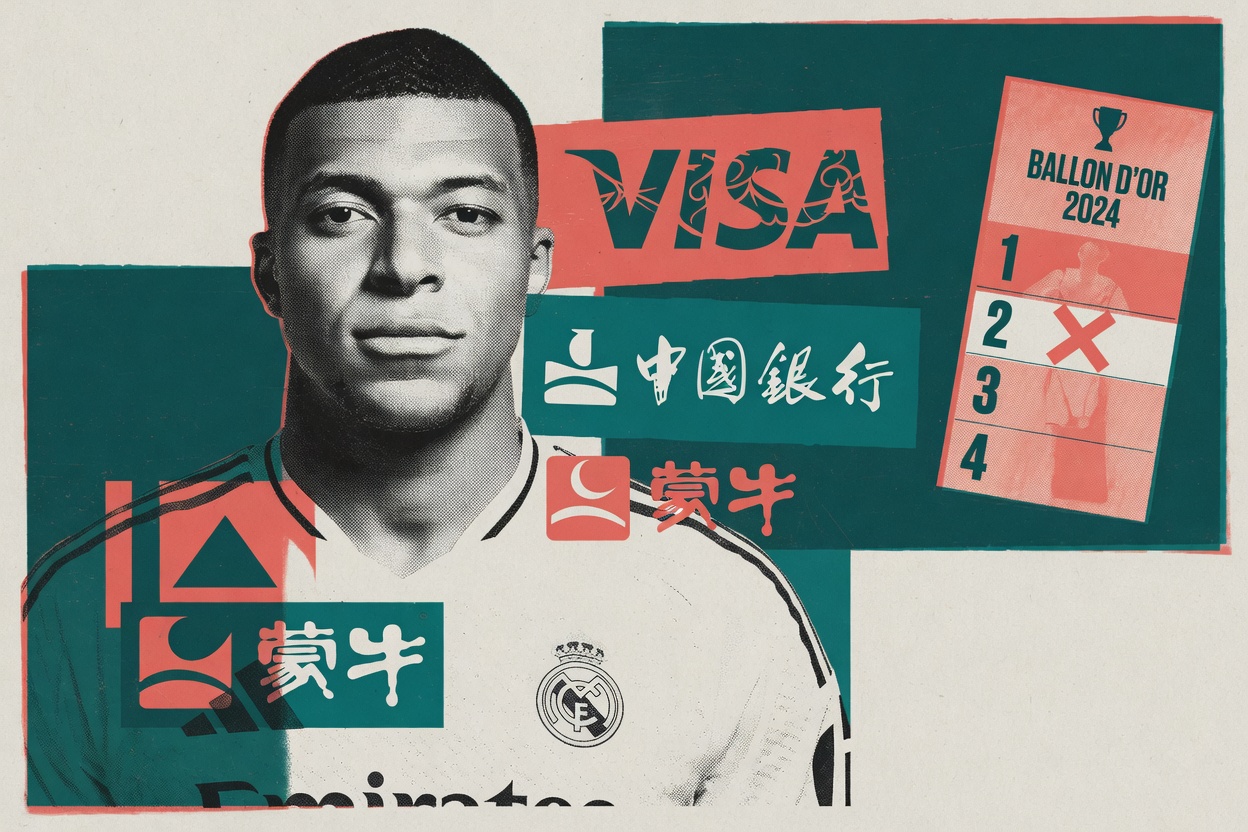
And I mean at once. Within days, the beverage group Dongpeng cut all ties, citing zero tolerance for behavior that hurts national sentiment. Dairy group Mengniu and cheesemaker Shanghai Milkground followed. Xiaohongshu blocked users from following his account. State-owned China Media Group suspended broadcasts of the entire Spanish league, even after La Liga itself apologized. Tencent's FC Online stripped his content, and Konami pulled his cards from the Chinese version of eFootball, while the global versions carried on untouched. Foreign Ministry spokesperson Lin Jian stepped out to say remarks hurting Chinese people's feelings would naturally face opposition across society. Videos spread of fans trampling posters of his face.
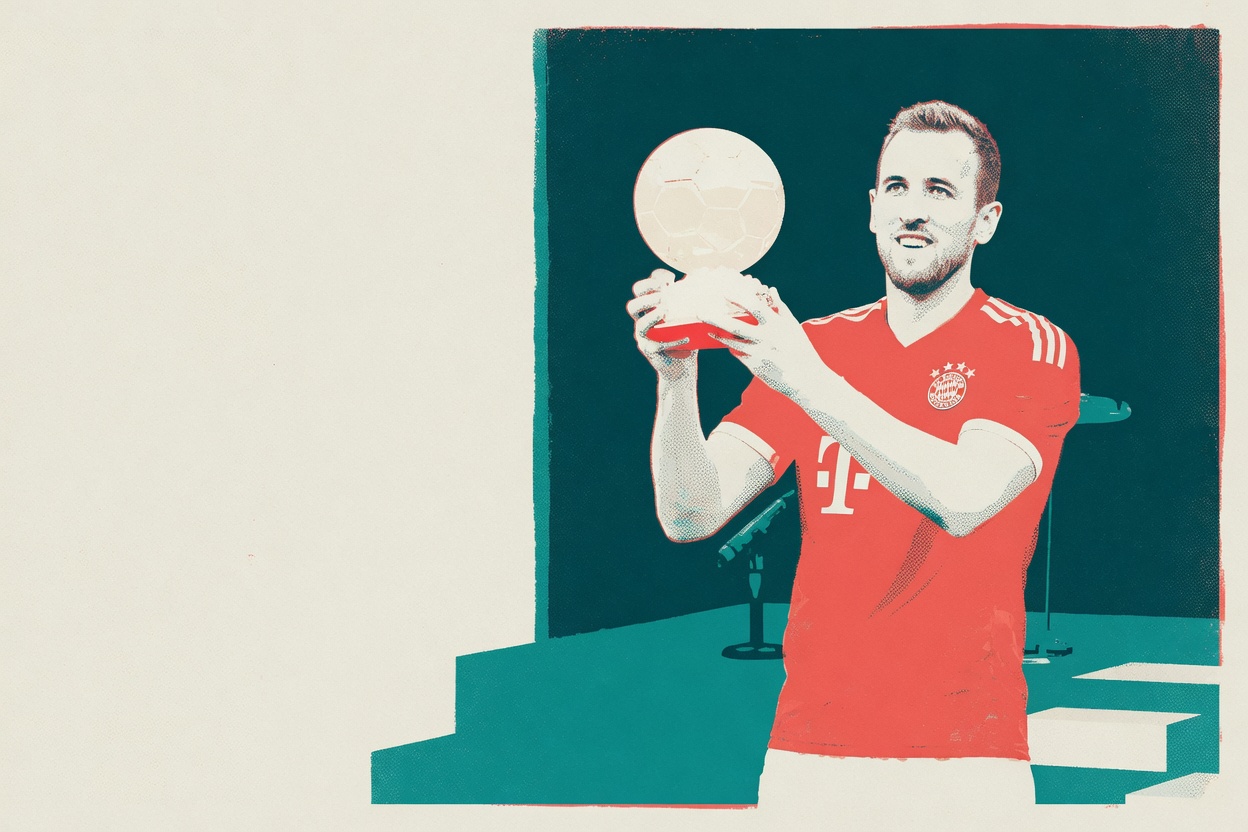
Then came the centerpiece. Dongqiudi, one of the country's largest sports sites, published the Ballon d'Or results with Harry Kane listed first and Lamine Yamal third. In second place, where Mbappé finished in the official ranking, it printed "chá wú cǐ rén": no such person exists. It attached a black-and-white photo of him, and in Chinese digital culture grayscale images mark the dead. The site's reasoning: "Kylian Mbappé made inappropriate remarks about China in an interview. As these remarks are likely to hurt China and its people, we cannot translate them." They skipped reporting the controversy and rewrote the result instead, photoshopping a living man into a funeral register.
Nobody has shown a single order from Beijing commanding Dongqiudi to pick that grayscale photo or that exact phrase. That is the clever bit, and it is also the ugly bit. These were choices. Dongqiudi's editors chose the dead-man treatment. Dongpeng, Mengniu and Milkground's risk departments chose to run within a day rather than wait a week. CCTV's programmers chose to pull a league. Lin Jian chose to stand behind the pile-on instead of waving it off as internet noise. Every one of those was a person who could have done nothing and decided that compliance paid better.
The strongest defense is that this was organic, that it bubbled up from fans and platforms rather than from a central desk. Sure. But a four-day-old joke about an even older meme doesn't produce a same-week erasure of Ballon d'Or history unless the machinery for that erasure was already built and waiting for a target. We saw it in 2024, when Messi stayed on the bench in Hong Kong and an Argentina friendly in China got canceled by the Hangzhou Sports Bureau. This is a lever, and they keep pulling it because it works on the only audience that matters to them.
Mbappé apologized in French, Chinese and English, called his comment "ill-judged," and said he was sorry to everyone his words had upset. It changed nothing. The point was the demonstration. A country that has to prove its strength by deleting a footballer from a trophy list is telling you exactly how strong it feels.