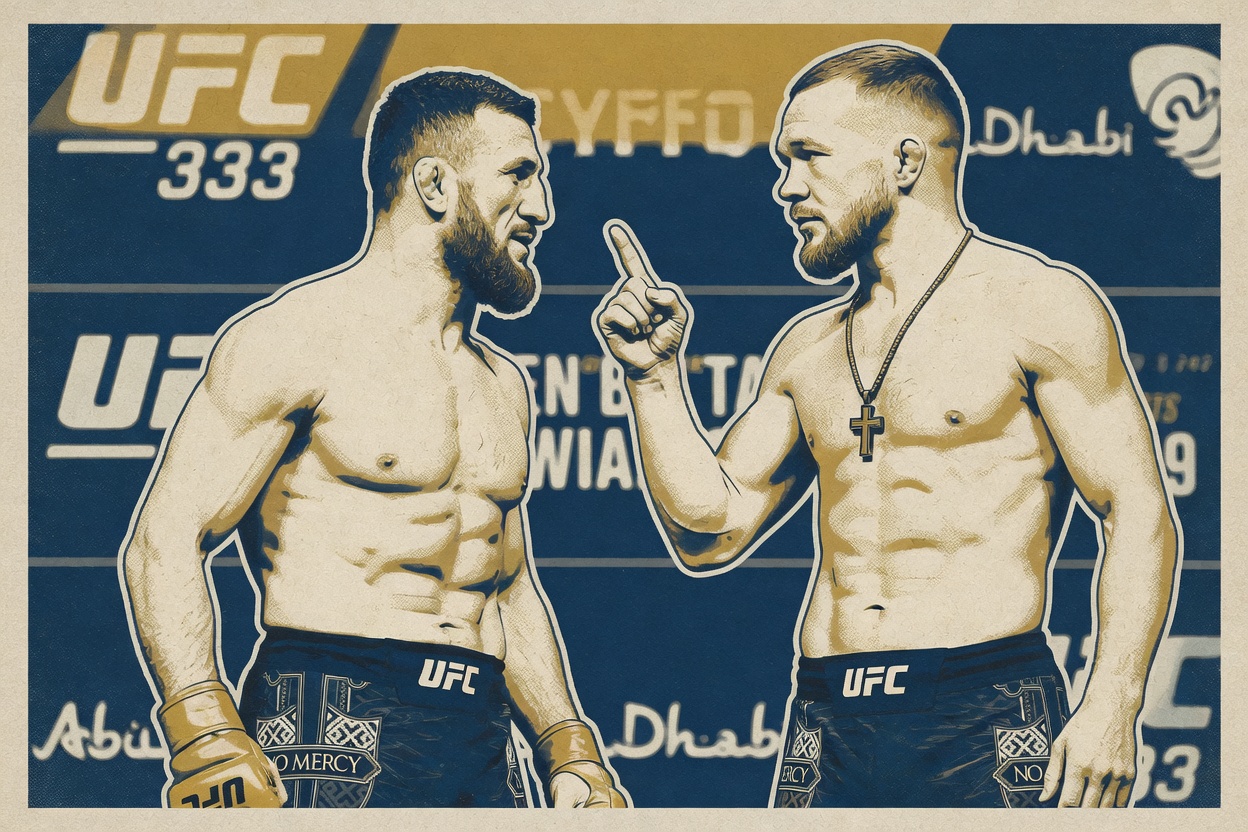
Asaf Chopurov beat Asaf Chopurov. The undefeated prospect everyone drooled over all fight week walked into the Octagon at UFC 333 against a +400 underdog, started like the monster the hype promised, then spent two more rounds proving he had no idea what to do once the monster act stopped working.
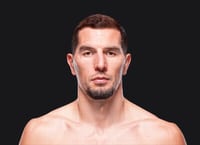
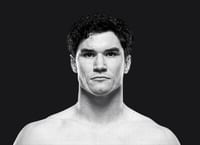
Get the names straight first, since people kept mixing them up all week: the Colby here is Colby Thicknesse, a 27-year-old Australian bantamweight who trains alongside Alexander Volkanovski. (He has nothing to do with Colby Covington.) Thicknesse was priced as a massive longshot, somewhere between +400 and +430 across the books, against a man sitting around a -575 favorite. Chopurov, 24, arrived as "The Honey Badger," an 11-0 pro who'd finished ten of those eleven, a 34-1 amateur, and a training partner of Petr Yan. On paper it looked like a mismatch, but in the cage it went to a split decision, and Thicknesse got the nod.
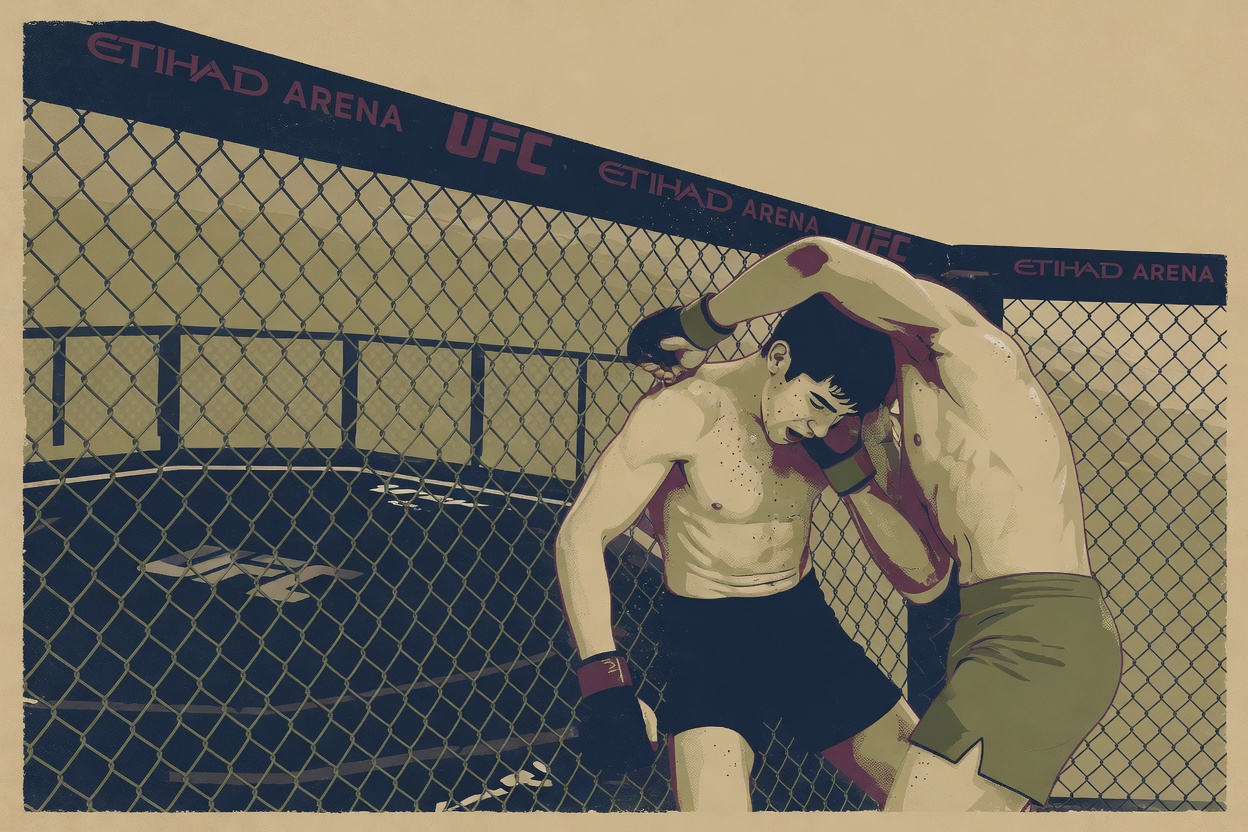
Here's how it went. Chopurov came out with all the swagger, won the close exchanges in round one, and looked exactly like the finisher he was sold as. Then he kept doing the one thing that was working until it stopped working. He walked forward and invited the trade, eating Thicknesse's elbows and clinch work over and over, until by the third round of a three-round fight he was running on fumes. He scraped together a few takedowns down the stretch, which tells you the grappling was there the whole time, sitting unused while he insisted on standing and banging with a durable, UFC-tested counter-striker.
A kid with knockout power and a wrestling base decided his own hype reel was a game plan, and he gassed himself out chasing a highlight the other guy simply refused to hand him. Reckless output with no defensive adjustment always empties the tank, and it emptied his.
Plenty of people watched that fight and had Chopurov winning on output and control. It was a split decision, which means it was close, and at least one judge agreed with them. Close is the whole point. A split decision shows the striking was competitive. It doesn't mean Thicknesse is secretly the better fighter, and it doesn't need to. You don't have to believe Thicknesse is a world-beater to believe Chopurov had the last round in his hands and picked the wrong tool to close it. Both things are true: the fight was close because Chopurov made it close against a man he should have been able to grapple into the fence.
Give Thicknesse what he earned, too. He did the underdog's job to the letter: survive the early storm, make the favorite pay for his stubbornness, and bank the rounds once the other guy's cardio folded. He fought like someone who believed the hype meant nothing once the cage door shut. He earned that win.
A blue-chip prospect, in his own debut, treated a professional fight like a sparring session he wanted to win stylishly. The corner wears this too. When a fighter with finishing power and takedowns abandons both to stand in the pocket and fade, somebody between rounds should have screamed at him to change. Nobody did, or he didn't listen, and the undefeated record went with it.
Chopurov lost this more than Thicknesse won it, and that's a far scarier verdict for him than a robbery would have been. A robbery gets fixed by the judges; growing up is the only fix for this.