College football viewership is down 11% through the first four weeks of the 2026 season, averaging 1.7 million viewers a game, and the loudest explanation is the one that requires the least thought: too many commercials. The ad load is miserable, and Fox turned Ohio State games into a slideshow. But neither one moved this number. The people who broke your Saturday are the commissioners and TV partners who shredded the sport's geography for a check.
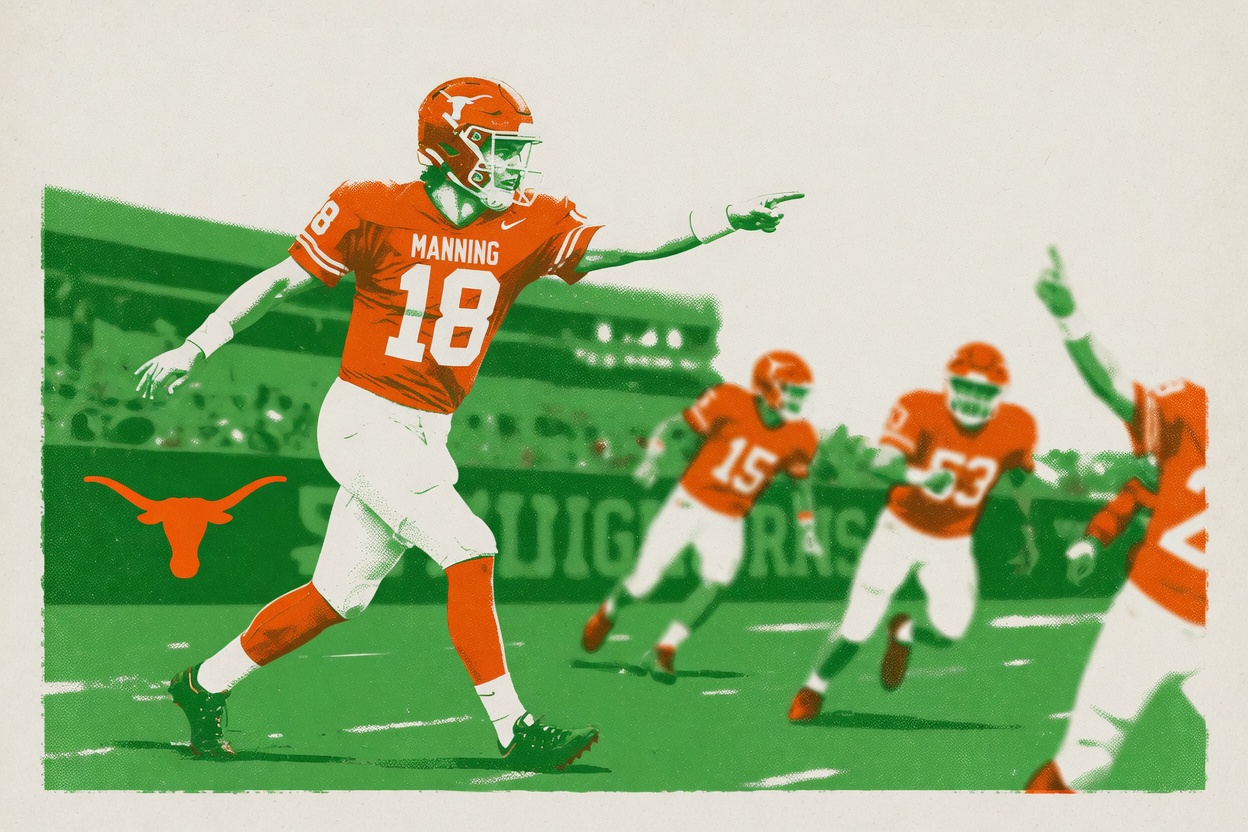
Start with the shape of the decline, because it tells you who did it. If commercials were the culprit, every window would sag about evenly, since every window carries the same ad load. Instead, the ceiling is fine. Texas' 24-23 comeback over Ohio State pulled 14 million on ABC and peaked at 16.4 million, the most-watched Week 2 game in the sport's history, and College GameDay has kept setting show records this fall. Big events still pull the whole country in. What collapsed is the floor: the random noon kickoff, the mid-tier conference game, the reason you used to leave the TV on all day.
2025 set an absurd bar: four games topped 10 million in the opening weekend alone, Texas-Ohio State drew 16.6 million, and 11 different games cleared 10 million by the end of that regular season. Comparing this year to that one measures against a freak season. The ordinary game still has to carry itself, and right now it can't.
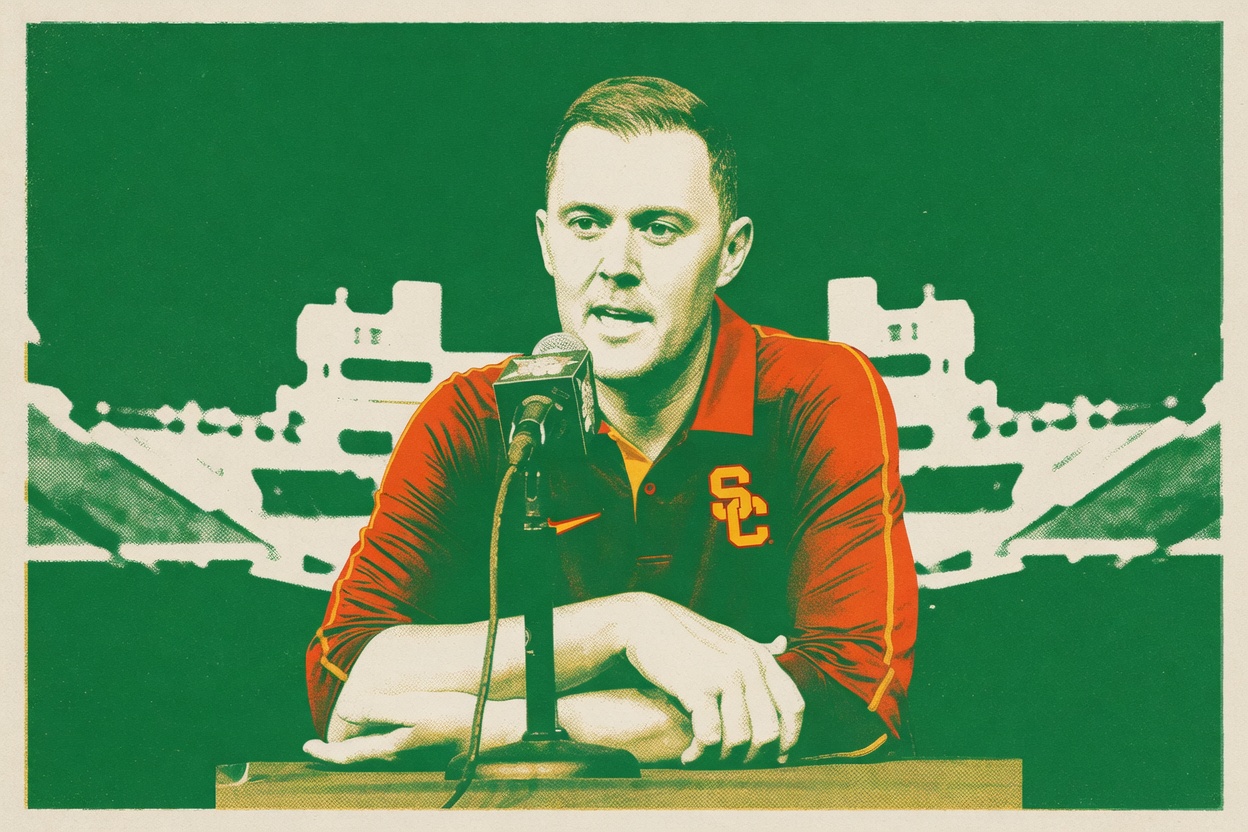
The men running this sport made it worse. They drowned the schedule in inventory and tore up the map. National telecasts jumped from 387 games in 2021 to 487 in 2025, a hundred more windows fighting over an audience that isn't a hundred windows bigger, so the per-game average falls by arithmetic before a single fan tunes out. Then there's what those windows are showing: the Pac-12 is gone, and Oregon, Washington, USC and UCLA play in the Big Ten now. Regional rivalries that gave a Tuesday-night fan a reason to care got swapped for cross-country matchups built for a broadcast grid, with no one in the stands in mind.
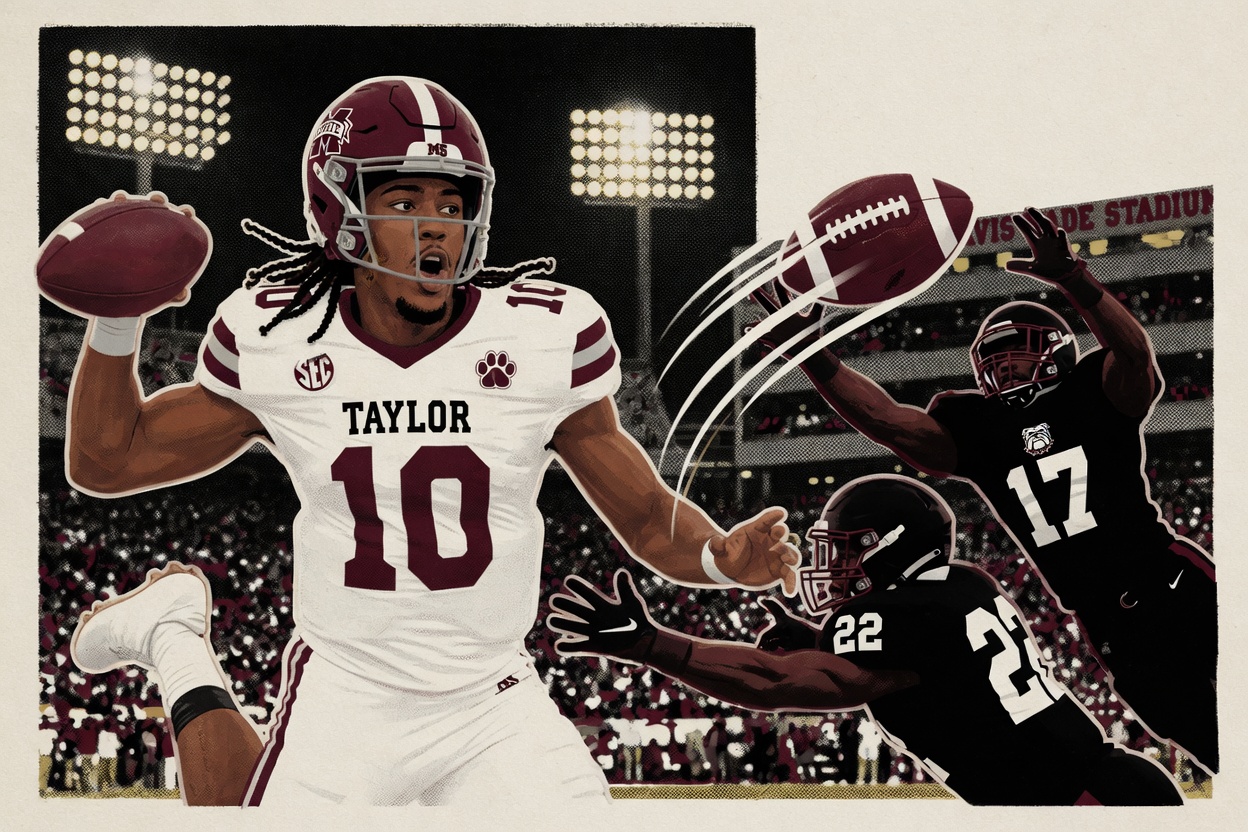
The loyalty rot runs deeper than the schedule. By 2023, better than a fifth of FBS rosters were transfers. If you root for a team outside the national title picture, you now re-learn your own roster every August. The quarterback you adopted last year is somewhere else. Players getting paid and free to leave is fine. But you can't sell a sport on devotion to the laundry and then change who's wearing it every nine months. The emotional contract that made people watch bad teams for free has been quietly voided.
Fox's analytics shop makes the strongest counterargument: total time spent watching college football is up slightly this year while the NFL's is down, and GameDay keeps setting records, proof fans haven't walked away. Both are true. The audience is still huge for the handful of games with real stakes. It's the connective tissue, the hundreds of games nobody has a reason to sit through, that's bleeding out. Fans got pickier because the sport gave them less to be loyal to.
So blame the ads all you want. They earned it. But a commercial break never once made you stop caring who your team was. The people who sold off the conferences and the continuity did that, and they did it on purpose.