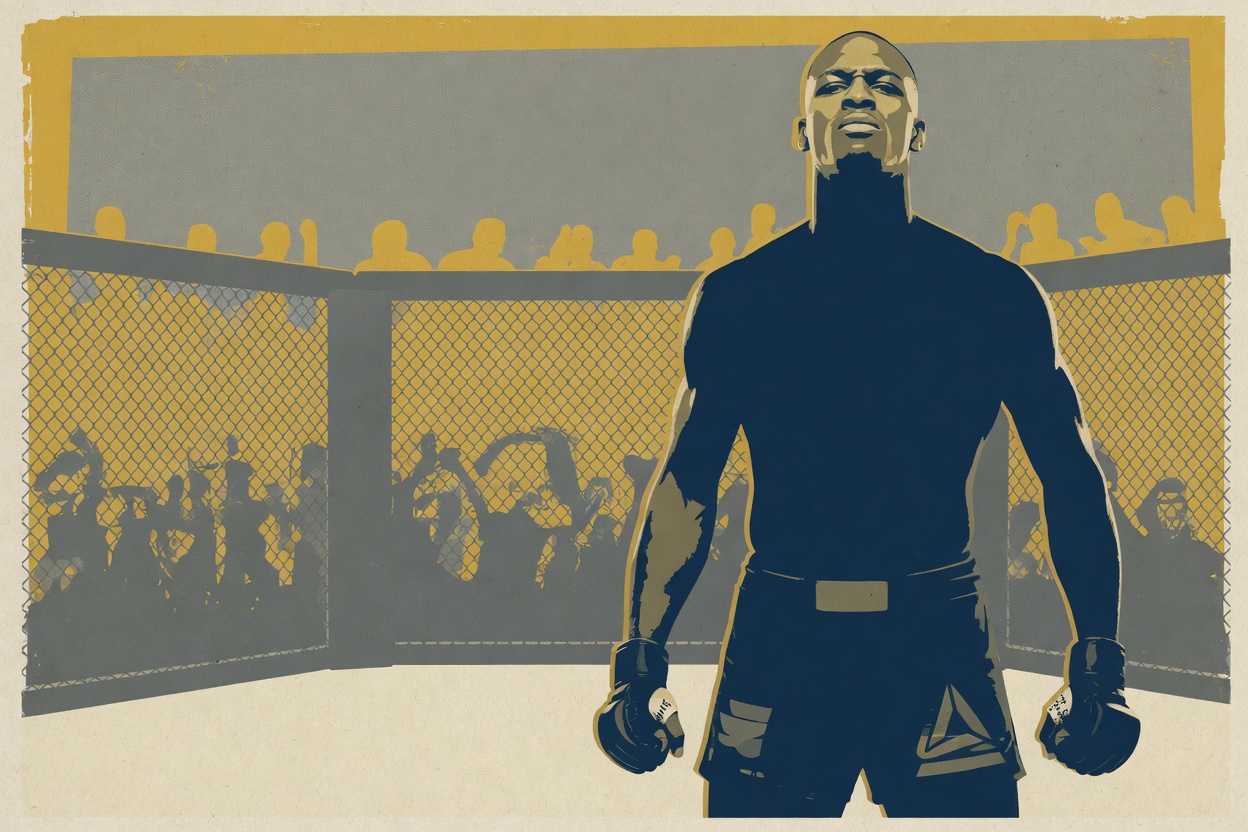
Dana White made it plain Tuesday night in Las Vegas, cornered by reporters already in town for fight week. "That was the last fight on his contract," he said of Michael "Venom" Page. "I don't think we're signing him, no. What's the confusion?"
Here's the confusion, Dana: you signed one of the most recognizable strikers on the planet, watched him go 5-1 inside the octagon, and shrugged him out the door the moment his sixth fight was in the books. That's a strange way to run a talent business.
Let's get the facts straight, because they help the argument. Page wasn't cut, and he wasn't fired mid-deal. He joined the UFC in December 2023 on a six-fight contract, and the win over Nursulton Ruziboev at UFC Paris on September 5 was the sixth. His deal expired, and the promotion chose not to renew. Somebody in that building looked at a fighter who beat Kevin Holland, Shara Magomedov, Jared Cannonier, Sam Patterson and Ruziboev, whose only loss was a unanimous decision to Ian Machado Garry, and decided he wasn't worth another contract.
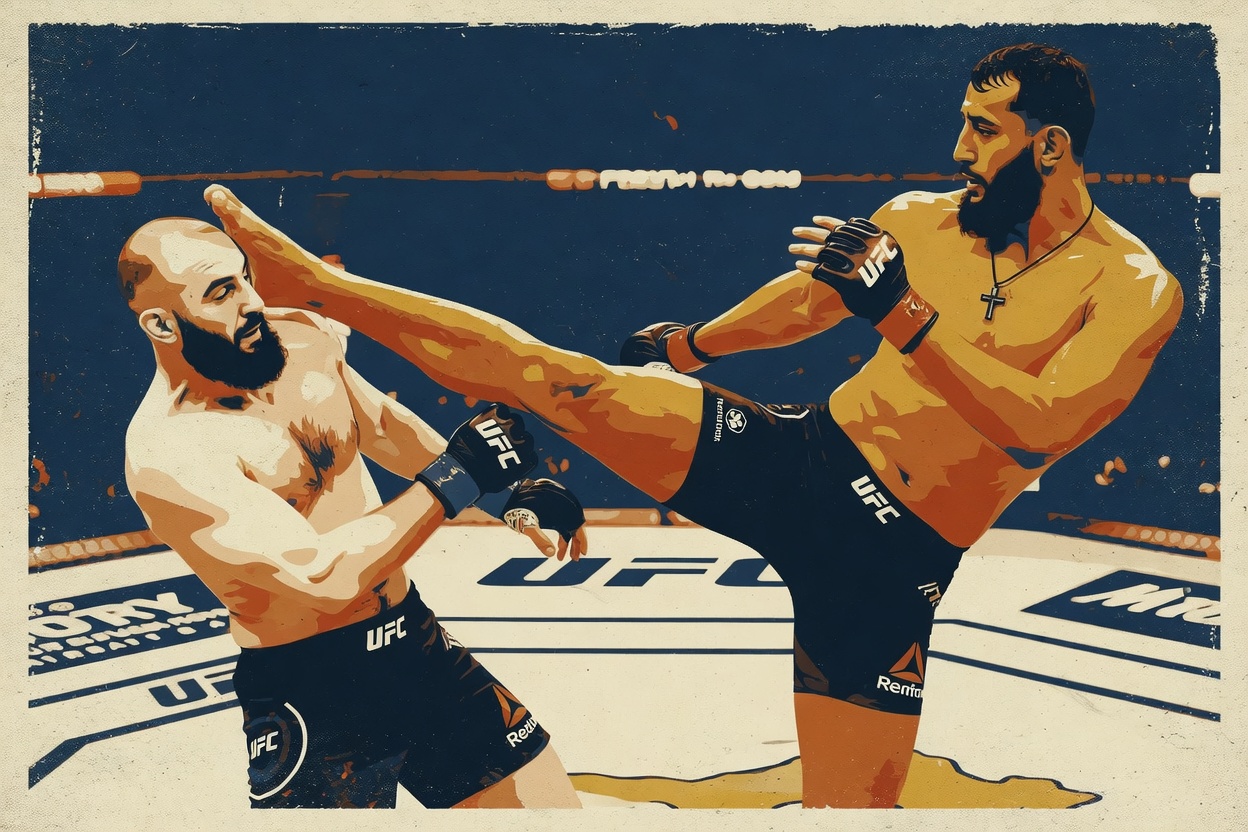
I'll give the UFC its strongest defense up front, because pretending it doesn't exist would be dishonest. Page's fights weren't thrill rides. He never finished a single opponent in the UFC. All six of his bouts went the distance. Against Ruziboev in the Paris main event, he landed only 12 significant strikes from 28 attempts across 15 minutes, and the Accor Arena crowd let him hear it, booing as he showboated without throwing enough to back it up. Page didn't hide from it afterward. "Sometimes, I haven't done enough and the results show that I haven't done enough," he said. The entertainment complaint is real. If you're grading purely on whether Page delivered the fireworks his reputation promised, the answer is no.
But that's exactly where the UFC's thinking falls apart, because this is the same promotion that knew precisely what it was buying.
Page didn't sneak into the UFC as some anonymous grinder. He built an international name over 19 fights in Bellator, going 17-2 from 2013 to 2023 on flashy finishes and taunts before signing with the UFC just before Bellator was absorbed by PFL. The UFC signed a cautious, counter-striking specialist with a highlight-reel brand, marketed him as a star, handed him main-event billing in Paris, and then acted betrayed when he fought like the fighter he's always been. You don't get to be shocked by the thing you paid for.
A smarter operation would've leaned into the mismatch it created: built the matchmaking around drawing out Page's instincts, put him across from opponents who'll trade, incentivized the finish. Instead the UFC did the opposite, and Page himself spent much of his run publicly griping about the fights the matchmakers were giving him. You can't book a striker into stylistic dead ends, watch him win boring, and then use "he's boring" as the reason to let him go. The promotion is grading its own homework and failing the student.
Then there's the pettier stuff. Page wasn't given a post-fight interview at UFC Paris despite winning the main event, and had to answer for himself. No UFC official has explained why, so I won't pretend to read minds. But he was pulled from the rankings after Saturday's fight before White ever said a word publicly, which is a big part of why fans and media spent days confused about what was actually happening. White later acknowledged the confusion himself. For a company obsessed with controlling its own narrative, that's clumsy at best.
The rest of the fight business doesn't agree with the UFC's assessment. Jake Paul, in the wake of the PFL merger with his Most Valuable Promotions, posted that it's "time to bring MVP to MVP." BKFC president David Feldman told reporters, "We would definitely welcome 'MVP'," and Page has bare-knuckle history there, having lost a majority decision to Mike Perry at BKFC 27 back in August 2022. Scott Coker, the man who built Page's Bellator stardom, is planning a new promotion for 2027. Derek Brunson called him out on social media as a fellow free agent. Even the pundits are dreaming about a RIZIN entrance.
None of that is a signed deal. As of now, Page is an unattached free agent fielding informal interest and callouts rather than heading anywhere in particular. But the pattern is hard to miss: the moment the UFC decided a proven attraction wasn't worth keeping, multiple markets raised their hands. Those promotions aren't scouting his significant-strike differential. They're buying the name, the walkout, the reputation the UFC apparently forgot it was holding.
This is a mistake, and it's the kind the UFC makes because its internal scoreboard rewards the wrong thing. Win-loss records and finish rates are easy to sort in a spreadsheet. Star power is harder to measure and easier to discard when a guy annoys the boss. Page was a stylistic problem the UFC could have solved and chose to throw away instead. Somewhere out there, a rival promotion is about to make this look like a genius signing. The confusion here isn't the fans', Dana. It's yours.