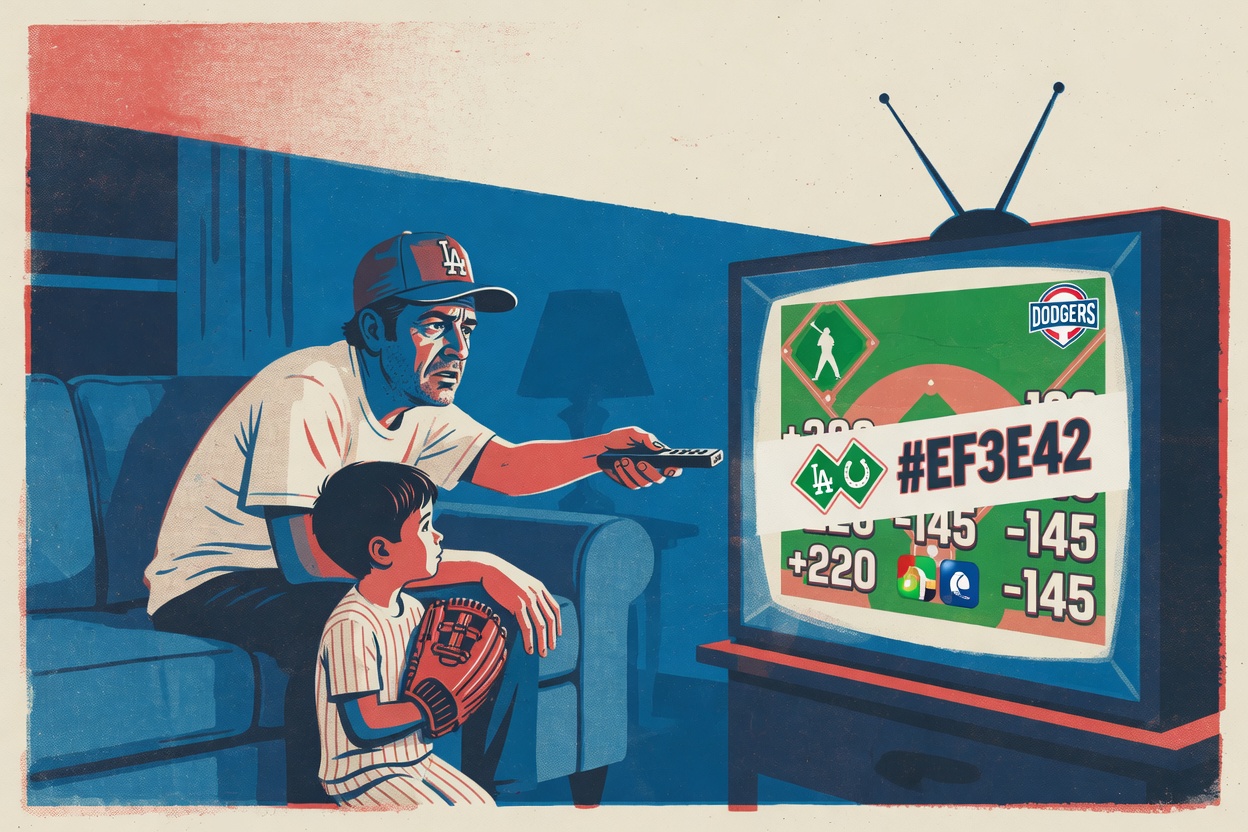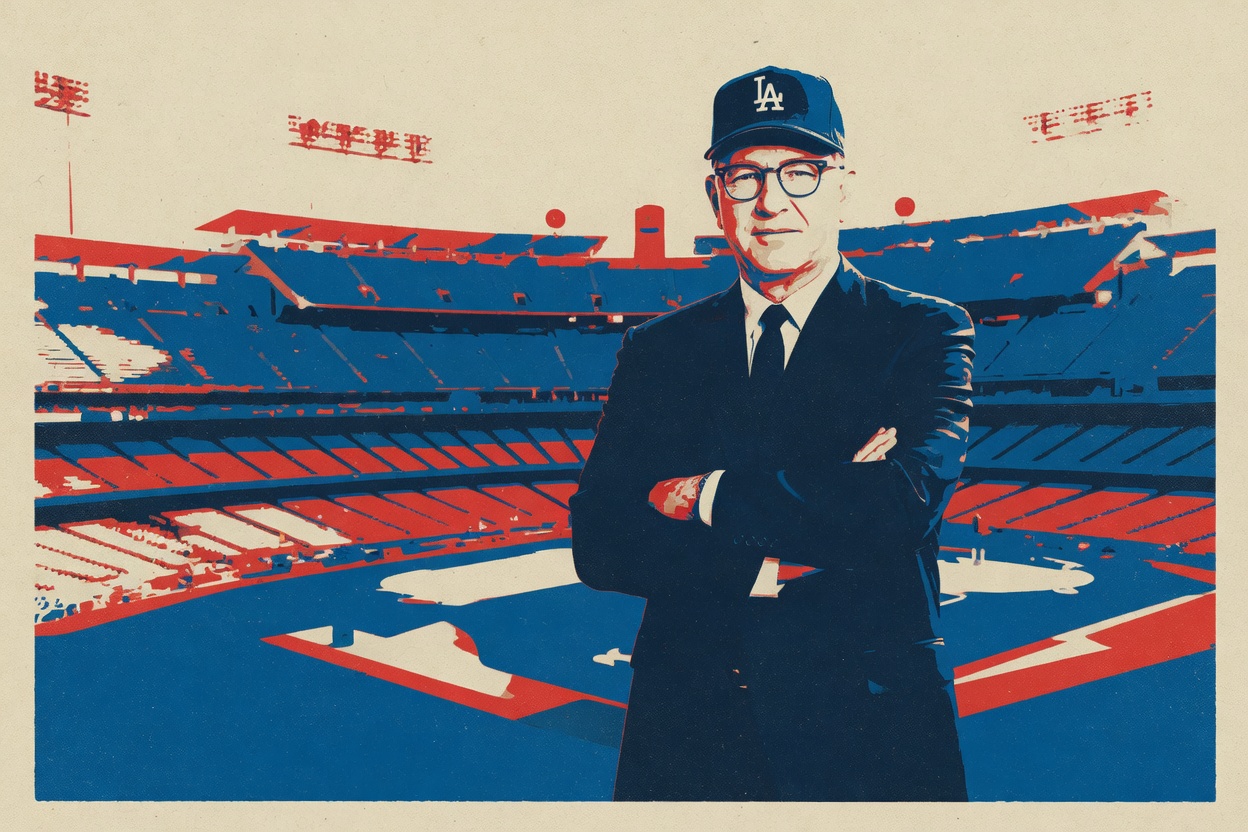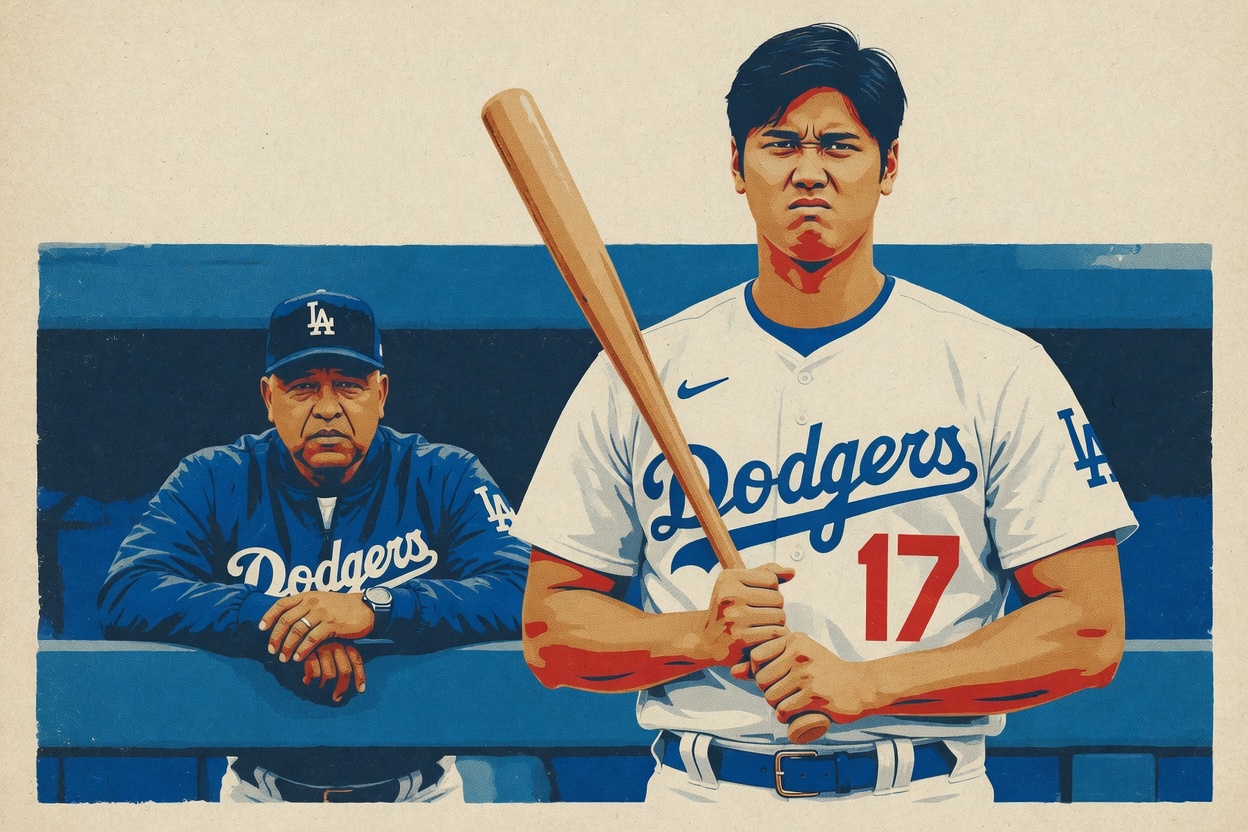
Dave Roberts let a hurting superstar, chasing a third straight title, decide for himself that he's healthy enough to play. He shouldn't have. It's an abdication of his job, and if it sinks the Dodgers' season, the blame belongs to Roberts.
Start with what Roberts actually said when asked what's physically wrong with his cleanup hitter. He didn't give a diagnosis. He said, "It's everything. It's the upper body. It's the knee." That's a manager who sounds unsure his own player is fine. Then, asked how the call to start him got made, Roberts offered this: "He was adamant he feels good enough to be in there." And: "He was very convicted that he is onto something mechanically. He was adamant that he can help us. He's well enough to help us win a baseball game. So that's all I needed to hear."
That's all he needed to hear: the player's own word on the player's own body. That's the standard in a best-of-seven the Dodgers are already losing 2-0, down after a 2-1 Game 1 and a 7-4 Game 2.
Andrew Friedman, the Dodgers' head of baseball operations, has already said on the record that Ohtani "has not always accurately conveyed how he's feeling" through this injury stretch. The people running this team know their best player is an unreliable narrator about his own pain, and they built the most important lineup decision of their season around exactly that narration. You can't say a man downplays his symptoms and then treat his self-report as the deciding vote. That's wishful thinking.
And the timing makes it worse. Ohtani entered Game 3 hitting .150 this postseason, 3-for-20 with no extra-base hits. He hasn't hit a home run since August 19, and entering Game 3 he'd gone 24 straight games without one, tying the longest homerless streak of his career in games with a plate appearance. Those numbers will move tonight, win or lose. But right now they describe a cold bat and a body that, by the manager's own words, is breaking down in several places at once.
The case for playing him is real. He's a four-time MVP who has earned plenty of benefit of the doubt, and he stood in front of reporters and took it on himself. "The symptoms shouldn't be the reason why I can't hit," Ohtani said, adding that he takes "full responsibility" for how October has gone. Roberts didn't decide alone either; he met with Friedman and GM Brandon Gomes first. A compromised Ohtani in the lineup probably still scares a pitcher more than most healthy hitters would.
None of it changes who was supposed to make this call. Roberts himself laid out the alternative, comparing it to the way the Dodgers rested Freddie Freeman in 2024: "It's more of, 'Hey man, if you're not feeling good enough that you feel like you can perform up to your ability, then we'll pivot and give you a couple of days.'" The off-ramp existed, and Roberts described it himself. Then he drove right past it because his player was "adamant."
A manager's whole job in this moment is to be the one person in the building who can look a competitor in the eye and tell him no. Roberts is paid to weigh the medical picture and the matchups, then override a proud star's instinct when the math says so. Instead he outsourced the decision to the one person in the room least able to be objective about it.
Maybe Ohtani comes out tonight, ends the drought, and makes all of this look foolish. If he does, remember that was Roberts' bet, placed out loud, and it paid. But if the bat stays cold and a dynasty gets swept out of a three-peat, don't aim the blame at a hurt player who wanted to compete. Aim it at the man whose job was to tell him no and didn't.