Barcelona has figured out how to charge you rent after you're dead, and it wants you to feel honoured about it.
On November 10, 2026, at an event in the Auditori 1899, the club unveiled "Memorial FC Barcelona," a columbarium going into the rebuilt Camp Nou. The numbers: 1,500 square metres, room for 26,000 urns, up on the 20th floor of the north stand, near La Masia, a short walk from where the goals happen. More than 1,000 supporters had reserved a spot in the week after launch. Nothing is built yet. Completion is slated for mid-2028, with the first ashes going in from 2027.
The price list makes the whole thing honest about itself. A ten-year concession starts at €2,490. Twenty-five years runs €4,990. Fifty years, €5,990. On top of that there's a €70 annual maintenance fee, €180 for an official urn, and commemorative plaques priced between €490 and €1,040. Depending on where you look, a permanent niche costs €10,000, a figure that doesn't sit on the operator's own published list. Death, it turns out, has tiers and upsells.
Vice-president Maria Elena Fort sold it with her grandfather. "When my grandfather died many years ago, he said that the only thing he wanted was to be buried next to the Barcelona pitch, so that he could hear the goals being scored in the afterlife," she said. "Many fans dream of the same thing." It's a lovely line, and it's doing enormous work to disguise a revenue line item.
Look at what the memorial is bolted onto. Camp Nou, built in 1957, has been torn up to push capacity from 99,354 to 105,000. The rebuild was budgeted at €900m and is now approaching €2bn, and the cost is falling on non-season ticket holders who've watched prices double in recent years. One Spanish financial outlet counted around €94.3 million spent on Espai Barça loan installments by mid-2026, of which only five million had gone toward paying down the actual capital. The club needs money, and ash urns don't argue about the bill.
Barcelona floated this exact idea back in 2014, then let it die over permitting and contractor problems. Clubs revive dormant funeral real estate when the math says there's an audience willing to pay for belonging, right up to the grave.
Barcelona didn't invent this. Atlético Madrid has had a columbarium at its old Vicente Calderón ground since 2008, and Real Betis opened one at the Benito Villamarín in 2011. That doesn't rescue anyone. A practice being a decade old doesn't make it noble, and the difference here is context: Barcelona is running the memorial as a side hustle to help pay for a stadium renovation that's ballooned toward €2bn, which Atlético and Betis never had to do.
The small print has a quiet sting, too. When a ten-year concession runs out, the ashes get moved to the "Ara Comunitaria," a shared space, so grandad stays in the building but loses his address. That's the deal: eternity is a rental unless you pay the top rate.
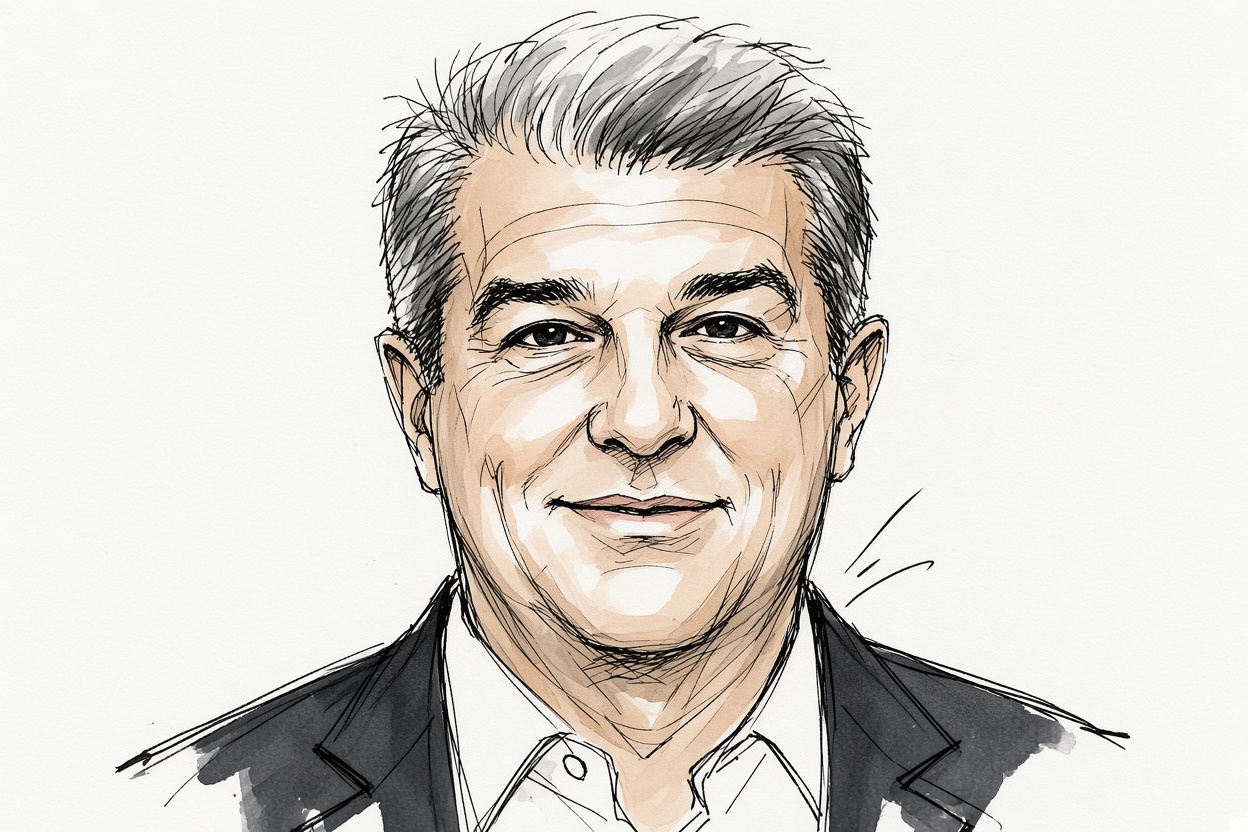
A grieving family that buys a niche isn't being fooled. Plenty of fans will find genuine comfort in it, and good for them. But comfort for the buyer doesn't launder the calculation behind the seller. Joan Laporta's board greenlit a stadium it couldn't comfortably afford, and now it's monetizing every surface and sentiment left, including where you end up when it's over. They're invoicing the dead.