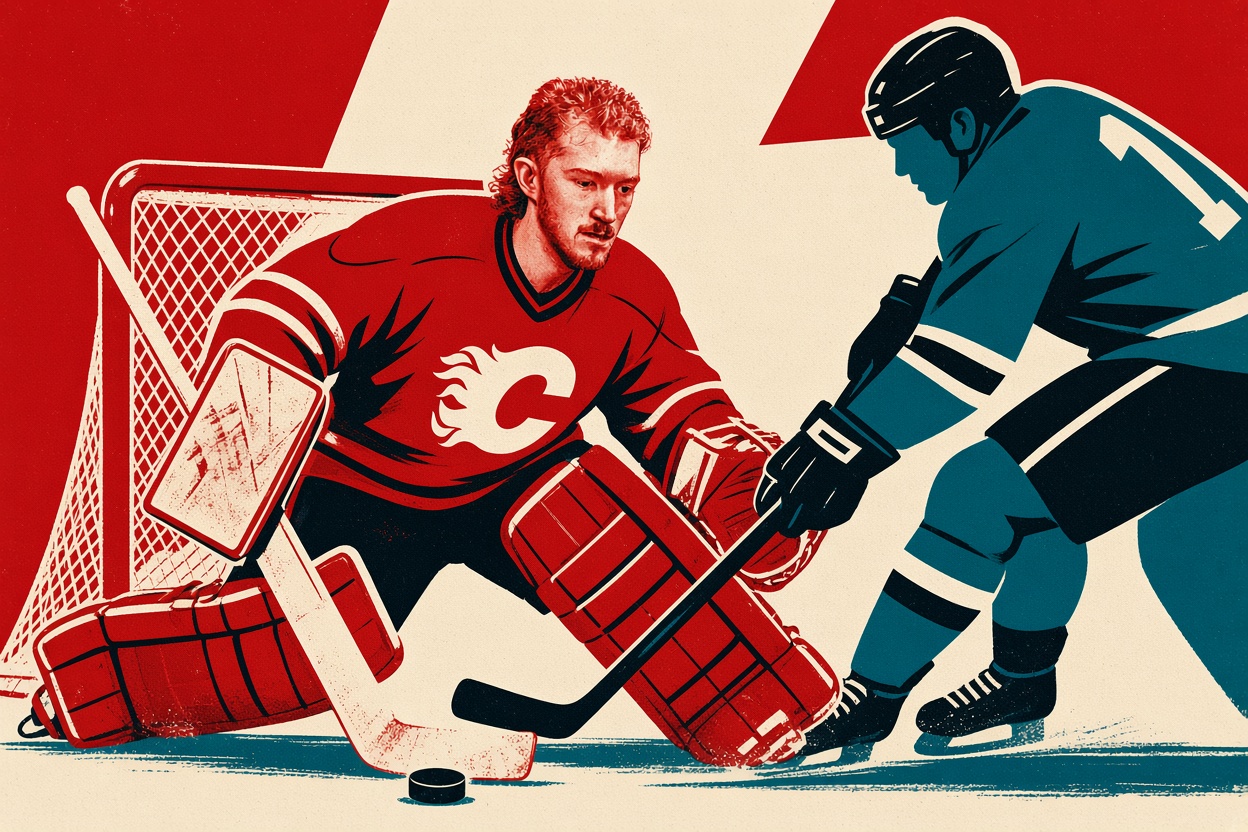
Hockey Canada runs the world junior championship coming to Alberta next month. It owns the flag on the event and the relationship with the IIHF. Its reputation is on the line. And when the one obvious decision of the whole saga landed on its desk, it waited for a politician to make it.
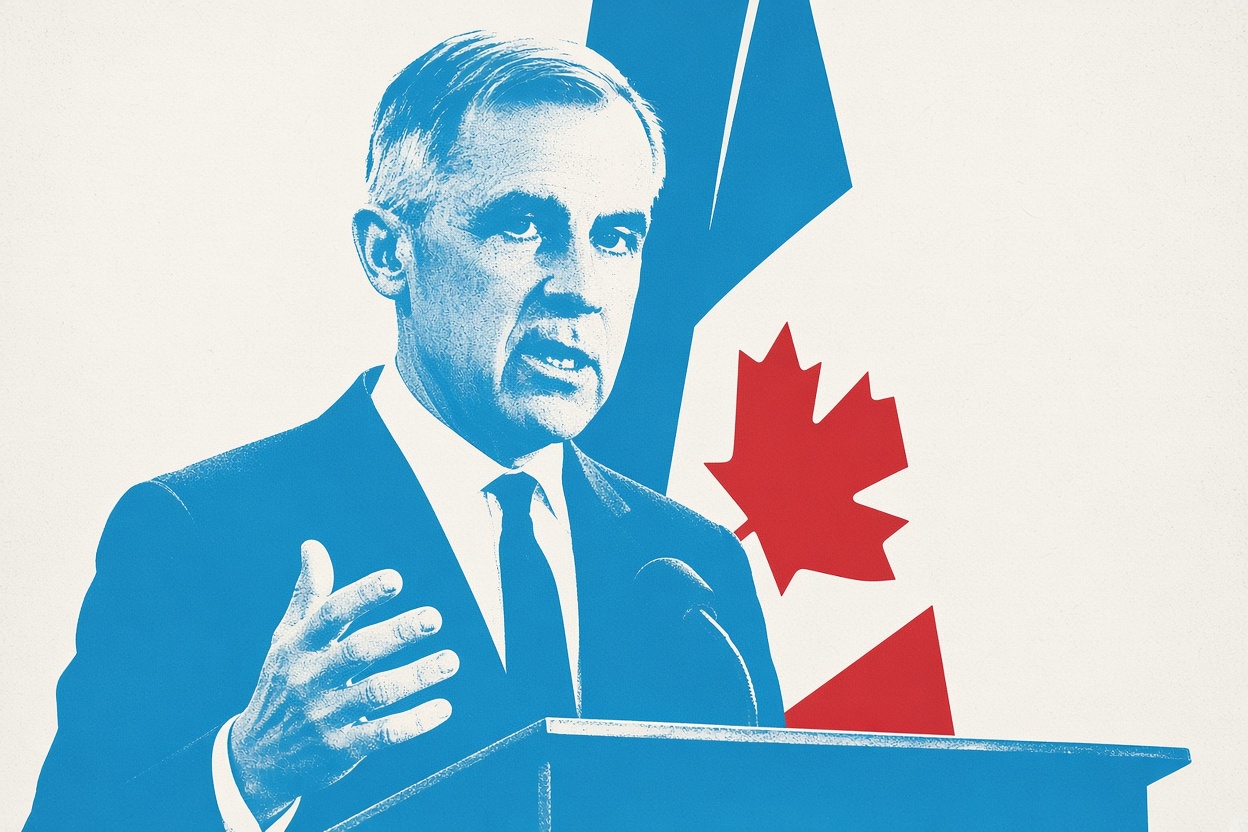
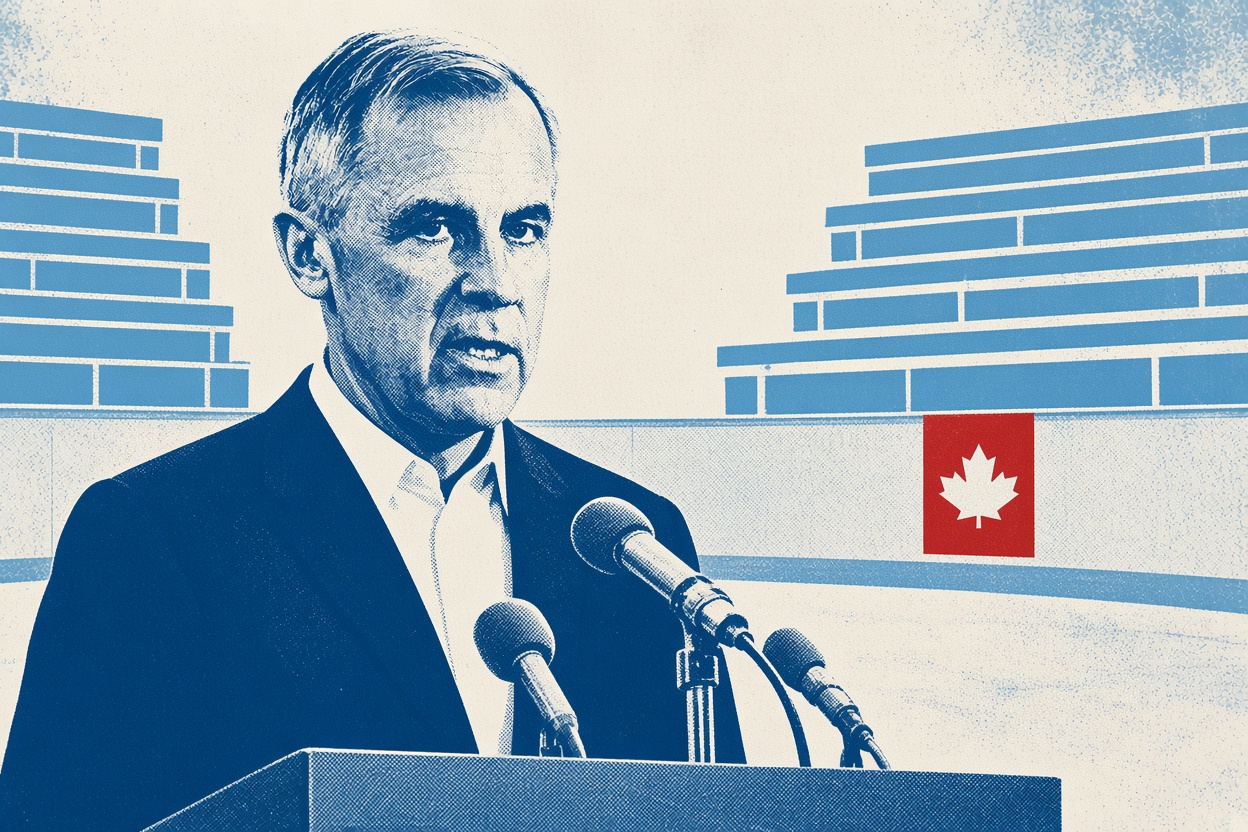
That politician was Mark Carney, speaking from a Commonwealth summit in Antigua, a continent away from the sport in question. He said Russian and Belarusian athletes would not represent their countries on Canadian soil while the war in Ukraine goes on. Asked directly about the tournament, he didn't blink: "So, if you're asking specifically about the world juniors, the Russians will not be there." He made clear whose call it was, too: "We respect the decisions of the Finns, the Czechs, the Swedes, other nations, but this is a decision we take on our own."
Good. The ban is the right outcome. The CAS ruling on Friday that readmitted Russia to international play was a cold, legalistic shrug at an invasion that was still killing Ukrainian civilians by the dozen that same week. Keeping Russia out of a tournament hosted in Edmonton and Red Deer, in a province with the largest Ukrainian population in the country, is about as low-risk a moral stand as exists in hockey.
That's what makes Hockey Canada's performance so weak. Hours before Carney spoke, its public posture was that it "shares the disappointment" of the IIHF and was "still in discussions" about what Russia's reinstatement might mean for the tournament. Disappointment. Discussions. The governing body that controls the event couldn't bring itself to say the single sentence Carney said without hesitation.
Then, minutes after he said it, Hockey Canada put out a statement thanking the government of Canada for its "strong position." Gratitude arrived the instant someone else did the hard part. You don't get to call a decision brave after you've spent the day refusing to make it and then cheering the person who did.
Look at who actually led here. Sweden, Finland, Czechia, Latvia, Norway and others drew the line days earlier. Their hockey federations made the call themselves; no prime minister had to do it for them. Those were sporting bodies deciding for themselves who they would face on the ice. Ukraine's foreign minister thanked them publicly and pointedly asked Canada to follow. Canada's hosts answered that by going quiet until Ottawa spoke.
There's one genuine complication, and it's legal. CAS ruled Russia must be allowed back into IIHF competition, and a host nation unilaterally slamming the door could invite a fight over Canada's standing to run future events. That's real. It's also the kind of risk a governing body exists to weigh and then own in public. Hockey Canada has a packed slate of IIHF events coming, including the 2027 world juniors in Alberta and the 2029 edition co-hosted in Quebec City. If there's a legal price for this stance, Hockey Canada is the one who'll pay it. All the more reason it should have staked out the position on the record itself instead of leaning on words the Prime Minister had already said for it.
Even the provincial politics shame the hockey people. Alberta's premier, Danielle Smith, had signaled the province would comply with the CAS ruling and let Russia play, right up until Carney overruled that, after which she lined up behind the federal stance. If a premier can change her mind in public, the national body that actually operates the tournament had less excuse than anyone for sitting on its hands. It had the same information every European federation had on Friday.
Carney did the right thing, cleanly and without hedging. Hockey Canada's job now is to explain why it needed him to say it first.