The NBA should kill "foul up 3," and Tuesday night in Los Angeles is the best evidence it will ever get, because Charlotte didn't do it. The Hornets let the Lakers run a real possession, and Quentin Grimes buried the shot. The league got one of the best endings of the season out of a team that, by the cold math, played it wrong.
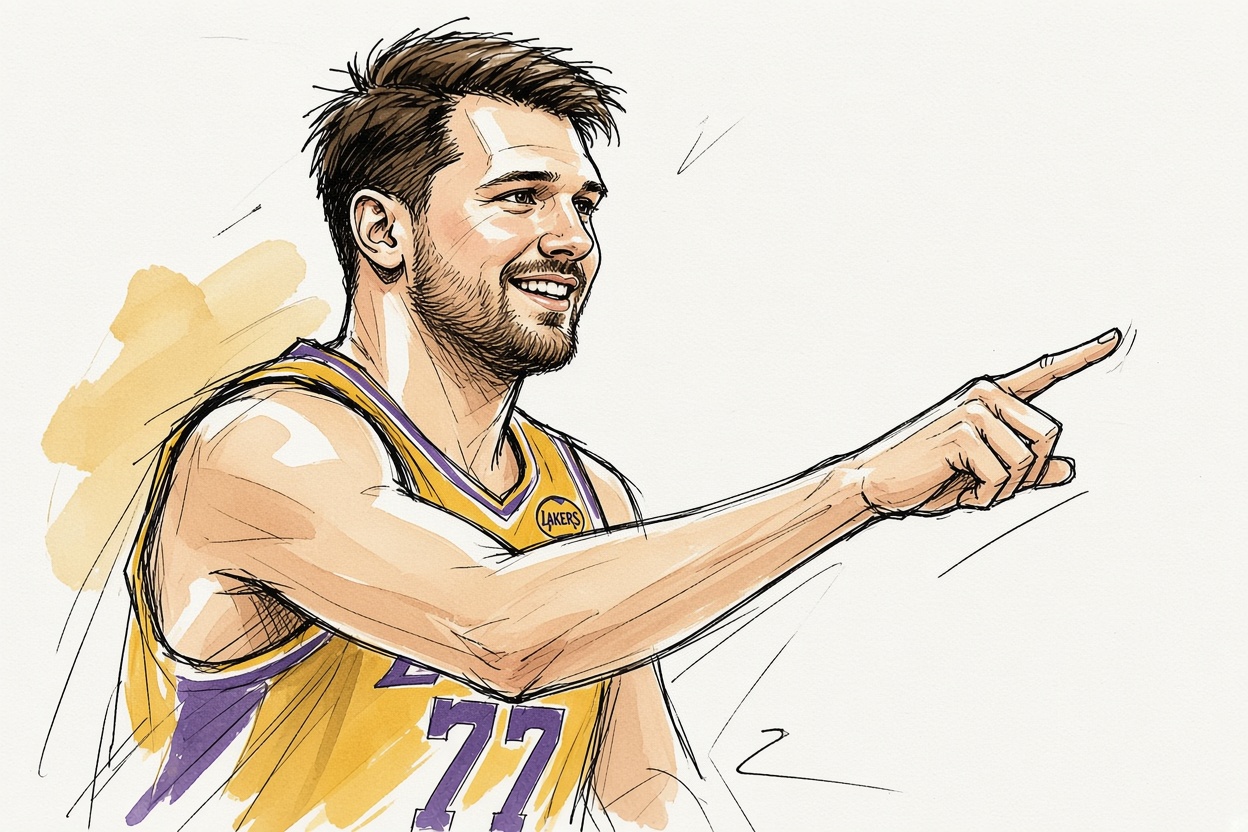
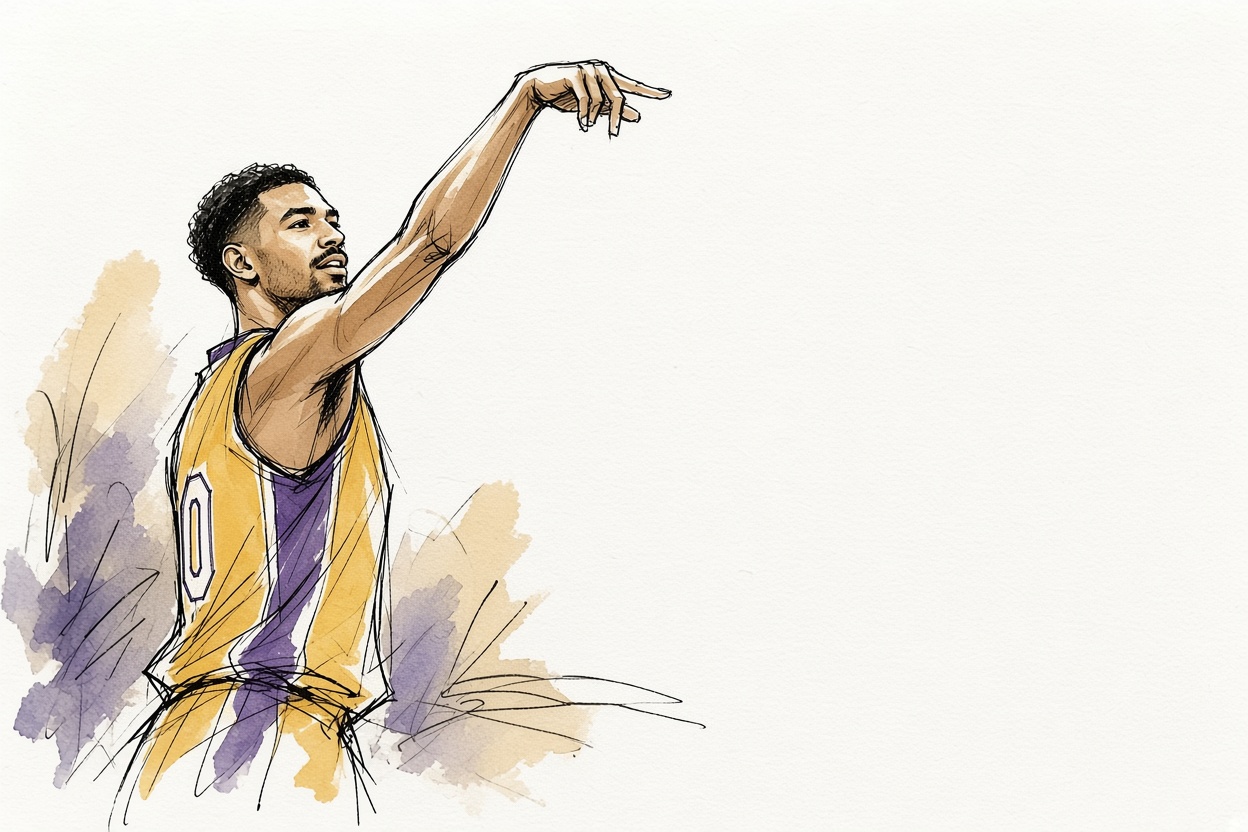
Charlotte led 111-108 after Coby White made only one of two free throws with 12.1 seconds left in regulation. Luka Doncic drew the defense and found Grimes open on the weak side, and Grimes drilled the tying three with roughly two seconds to go. It was his 10th three of the night on the way to a career-high 47. The Lakers won 118-114 in overtime for their ninth straight win, sitting at an NBA-best 13-2 as of Tuesday night.
Charlotte has plenty to answer for. The Hornets led by 18 at one point in the second half and lost the coverage that mattered most. But on that final possession they defended, and the result was basketball: a star collapsing a defense and a hot shooter burying a shot with the season's energy riding on it.
Now run the same 12 seconds through the analytics department. The line that's been floating around since a Cavaliers-Pistons finish puts it plainly: "The analytics say foul every time." Under those numbers, Charlotte's real sin was letting the Lakers shoot at all. Grab Doncic before he crosses half court, send him to the line for two, and the moment Grimes gave everyone never exists.
When the rulebook turns the most exciting play in the sport into a coaching blunder, the rulebook is broken.
The strongest defense of the tactic is simple: it's legal, it carries real risk, and teams are paid to win games. Sergio Splitter, as Portland's interim coach, had the Trail Blazers leading the league in fouls up three and was willing to start hacking with as much as 17 seconds left. He's doing his job. Leave the coaches out of it. If the smartest move in the building is also the dullest, the people who wrote the incentives own the result.
Those people are the NBA's Board of Governors and the competition committee that feeds it. Their inaction is indefensible because they already agree with me, twice over.
The away-from-the-play rule gives the fouled team one free throw and the ball for off-ball fouls in the last two minutes of the fourth quarter and overtime, and in 2016-17 the league extended it to the last two minutes of every period. That rule only covers players who don't have the ball. Foul the ball-handler and you're fine, which is exactly what fouling up three is.
Then came the transition take foul. The Board of Governors approved a heightened penalty for intentional fouls that kill fast breaks, after the league logged over 1,700 of them in a single season and described them as "1,700 plays where you did not see a fast break scoring opportunity and instead saw a lazy foul and a side out." Great line. Then they exempted the last two minutes of the fourth quarter and the last two minutes of any overtime. The league built a rule against lazy, game-killing fouls and switched it off for the stretch where it does the most damage.
One anonymous league analyst called foul-up-3 "a gross way to end exciting games." He's right, and the league has already admitted as much about every neighboring tactic.
The fix is sitting right there. With under 10 seconds left, any foul away from the ball, or on the ball outside the three-point line, is three free throws, shooting motion or not. Referees already judge intent on take fouls every night, so nobody gets to pretend this is unenforceable. The trailing team keeps its shot at the tie, and the leading team has to actually defend. Nights like Tuesday stop being a strategic error.
The Board of Governors has spotted this problem twice and flinched at the final two minutes both times. Close the loophole, or quit pretending you care how games end.