Jesús Owono made a reckless, dangerous challenge, and a 30-year-old footballer is dead because of it. Both of those things are true, and neither of them makes Owono a murderer. The crowd at the Estadio Heliodoro Rodríguez López that chanted "murderer, murderer" at him as he trudged off decided it did, and they were wrong in the exact moment it mattered most.
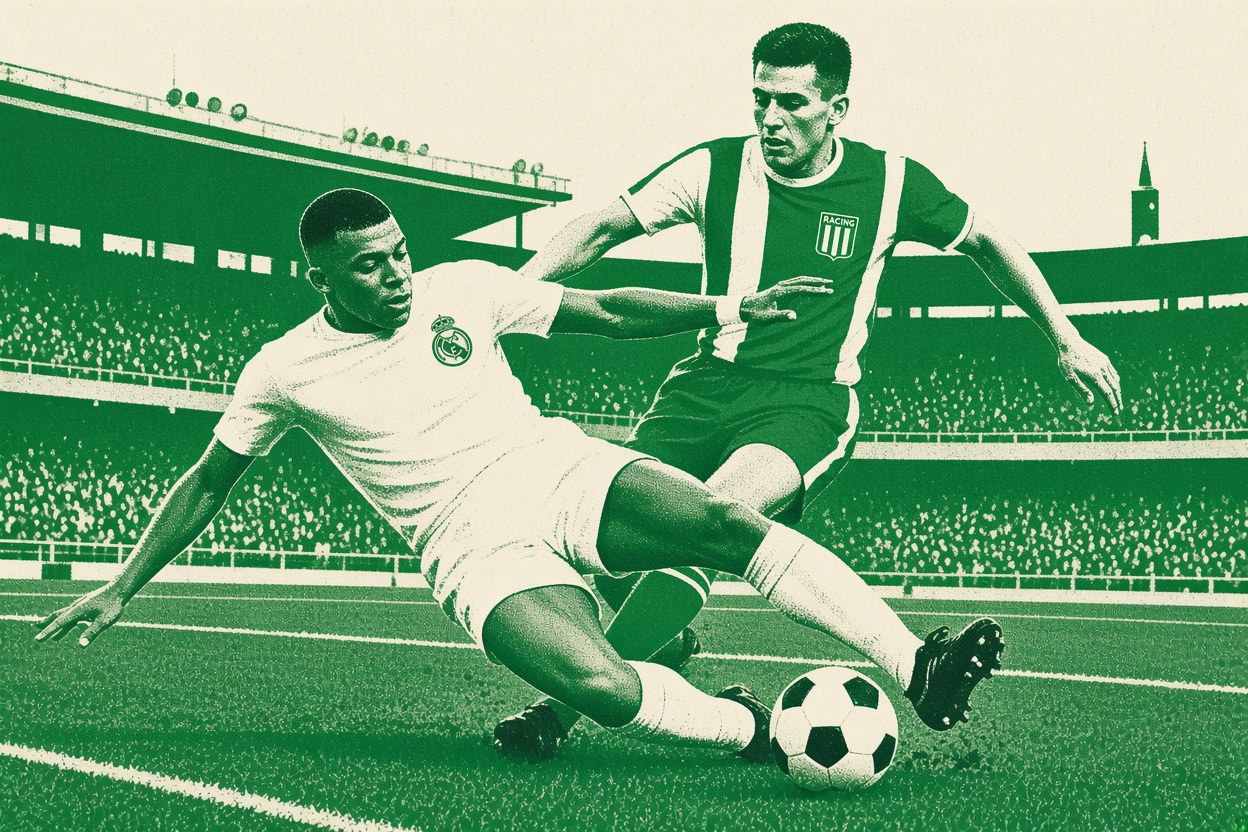
Here is what happened. Late in stoppage time of a 2-2 game in Segunda, Owono bolted from his area all the way to midfield to contest a hopeless long ball, and he went in with his knee up. The referee called it what it was: "making a sudden, high-kicking tackle on an opponent using excessive force whilst the ball was in play." That describes bad, frightening technique from a keeper who had no business that far up the pitch. Nobody reads an intent to kill into it. Nobody sprints out of his own goal in front of two benches and a full stand planning to end a man's life.
A second later, already shown red and walking off, Owono turned back to check on Jesús de Miguel lying on the grass. He was seen crying and praying in the locker room before anyone knew De Miguel would die, and he wanted to apologize privately to the player's family before saying a word in public. That's a young man who understands exactly what his mistake cost him, and it's crushing him.
Football has seen keepers do far worse and walk away clean. Harald Schumacher flattened Patrick Battiston in a World Cup semi-final in 1982, left him unconscious with cracked ribs and missing teeth, and the referee gave no foul at all. Manuel Neuer kneed Gonzalo Higuaín in the head in a World Cup final and got a free kick in his own favor. Cross into cricket and you find Sean Abbott, who bowled the bouncer that killed Phillip Hughes, and an inquest that found no malicious intent whatsoever. Contact sport produces catastrophe without anyone wanting it to.
Blame should be apportioned honestly. Owono owns the tackle. Going in high with the knee leading is violent conduct under the sporting code, and the reported range of an eight-to-twelve match ban, if that's where the federation lands, is a proportionate consequence for a dangerous challenge whether or not it ended in tragedy. He should serve it, and he will. Spanish police have also opened an investigation into possible involuntary manslaughter. That's unresolved, and he may avoid charges. Fine. Let the institutions do their slow, careful work.
What Owono does not own is the death of a father and a professional as a deliberate act, and the people screaming for his blood knew that even as they screamed. Worse came online, where the abuse curdled into telling him to "go back to his country" until he deleted his Instagram. That's racism using a funeral as cover, and it should be named out loud instead of smuggled in under the word grief.
Spanish football has been here before. A 19-year-old goalkeeper, Raúl Ramírez of Colindres, died from injuries in a collision in a fifth-division match last season. The game knows how to mourn; part of that stadium chose to hunt instead. Owono will answer for the challenge. The men who called him a murderer will answer for nothing, and they are the ugliest part of this whole story.