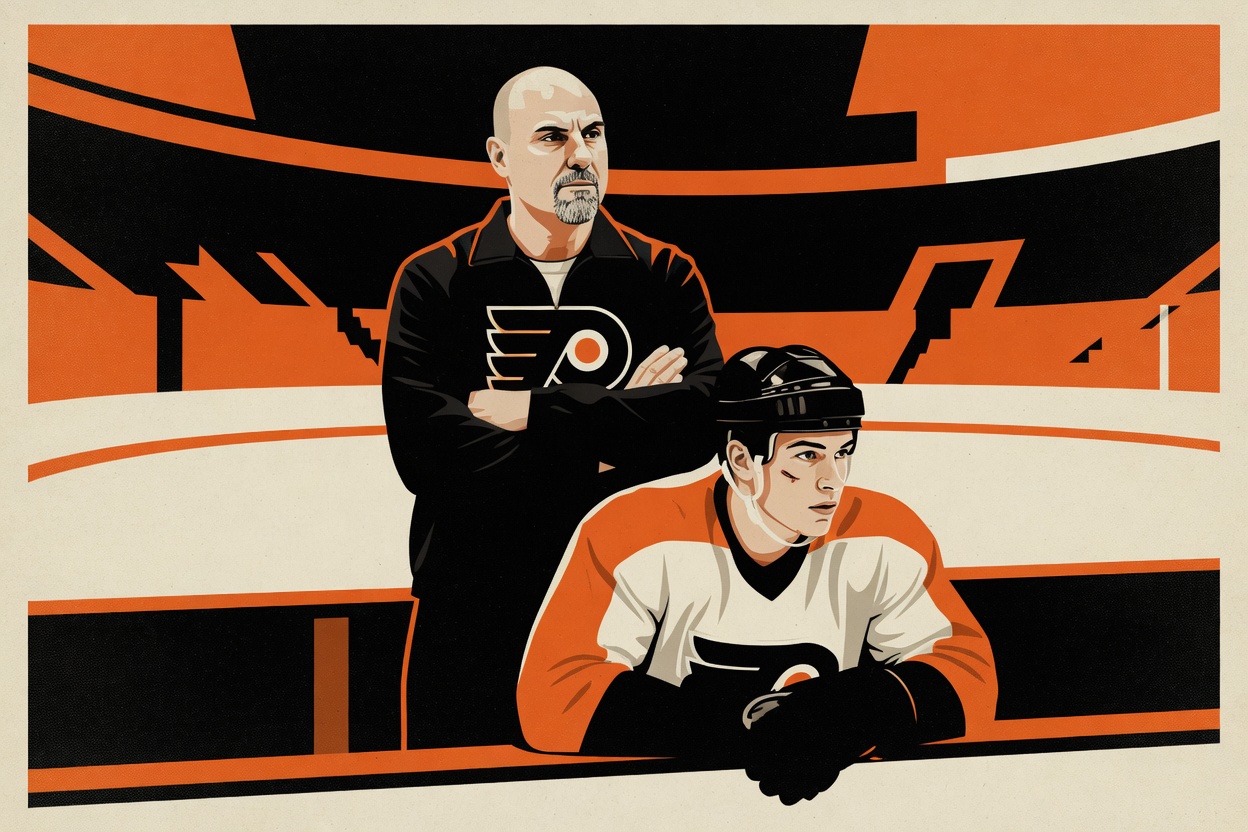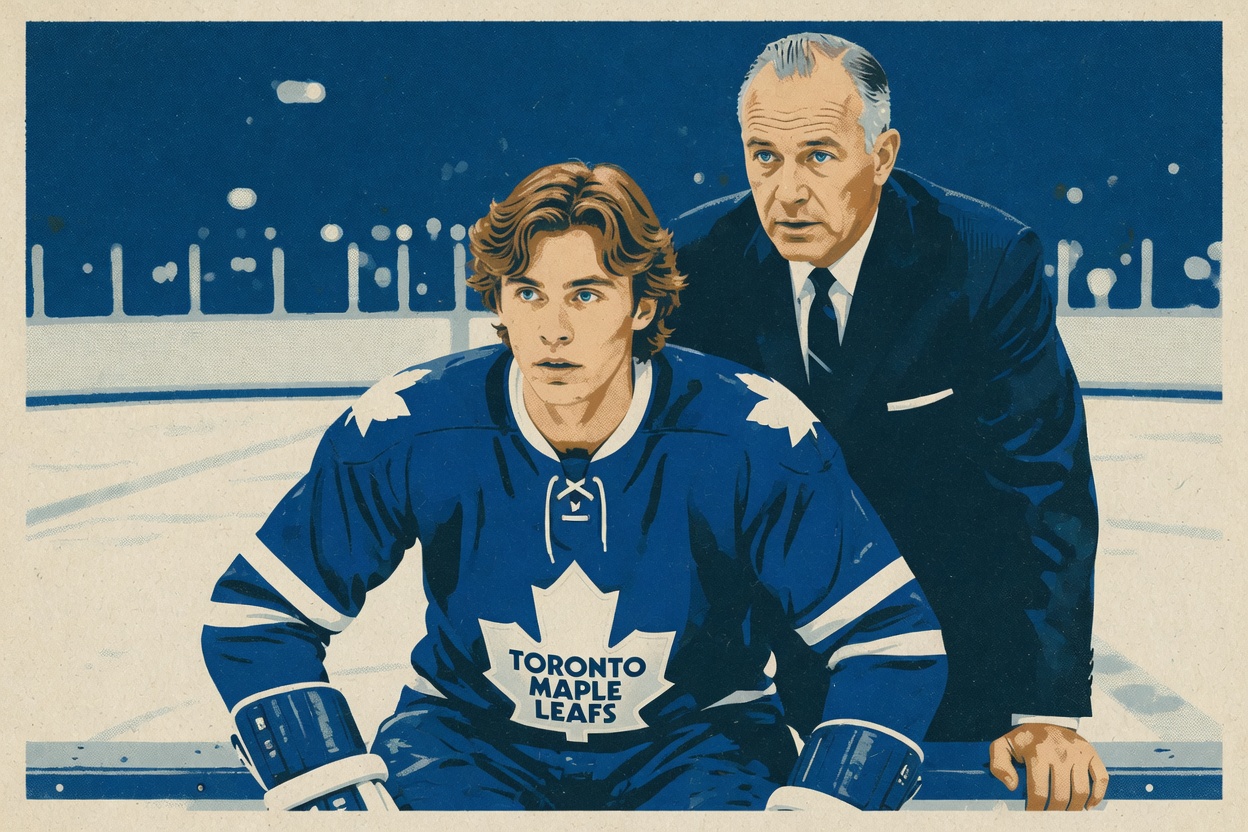
Jim Hiller lost track of his best rookie for the final 32:54 of a one-goal game. He watched Toronto cough up a lead with the No. 1 overall pick glued to the bench, then admitted afterward, in his own words, that he'd simply forgotten to put the kid back out there. He called it a decision. It was a mistake.
Here's what Hiller actually said. "That was my decision," he told reporters after Toronto's 5-4 overtime loss to Buffalo at Scotiabank Arena. "Now that I've sat him for so long, I probably should've got him out in the third." On the third period specifically: "We talked about getting him out in the third, but it just didn't happen." That's a coach admitting he screwed up.
McKenna's last shift ended at the 10:20 mark of the second period. Then the penalties came, Oliver Ekman-Larsson for high sticking, Morgan Rielly for hooking, and McKenna isn't part of Toronto's penalty-kill rotation, so he sat. Fine, that's a few minutes. But a few minutes became the rest of the second, then the intermission, then the entire third period and overtime. By the time Hiller might have put him back on, the rookie had been cold for half an hour, and the thinking apparently became that it wasn't fair to throw him out there frozen. So he never went out at all. He finished with six minutes and 36 seconds of ice time, the second-lowest of any Toronto skater, a career low for him.
Weigh that against what was happening on the ice. Buffalo scored three unanswered to erase Toronto's lead. Kirill Marchenko put up a hat trick and it still wasn't enough, and Owen Power won it for the Sabres in overtime. Toronto needed offense and was chasing the game, and the man running the bench had one of his most dangerous young scorers available and didn't use him, by his own account because he'd been sitting too long, a situation the coach created in the first place.
The case for Hiller is that the situation dictated it: the penalties ate McKenna's shifts, and you don't want to drop a cold teenager into a tight third period. Both of those things are true, and neither helps him. A coach's job in that stretch is to manage exactly this, to find the kid a soft shift early in the third and get his legs back before the game got desperate, not let a short bench get shorter while the lead bled out. Hiller didn't do it. He said as much.
Toronto couldn't afford to shorten the bench that night, either. The Leafs were already down forwards before puck drop, with Dakota Joshua and Max Domi out, plus defenseman Chris Tanev also sidelined. Then John Tavares left in the third after an awkward collision with Josh Norris and didn't return; he's day-to-day pending an evaluation as of Friday morning. The forward group was thin, got thinner mid-game, and Hiller's answer was to keep leaning on everyone except the first overall pick sitting right next to him.
Give Hiller credit for one thing: he didn't hide. He stood in front of the room and put it on himself instead of inventing a story about McKenna's compete level or attitude. Auston Matthews, who set up McKenna's first NHL goal earlier this season, backed the kid publicly and said a night like that will just make him hungry. That's the right tone from the captain. McKenna had been one of Toronto's best players coming in, carrying a four-game point streak that ended the night he barely played.
There's no version of this where benching a productive 18-year-old for a full period of a game you're losing was the smart move. The only honest way to describe it is the way the coach already did: he lost track of his best young player, and it cost his team. The responsibility is Hiller's, he knows it, and calling it a decision only makes it sound like he meant to do it.