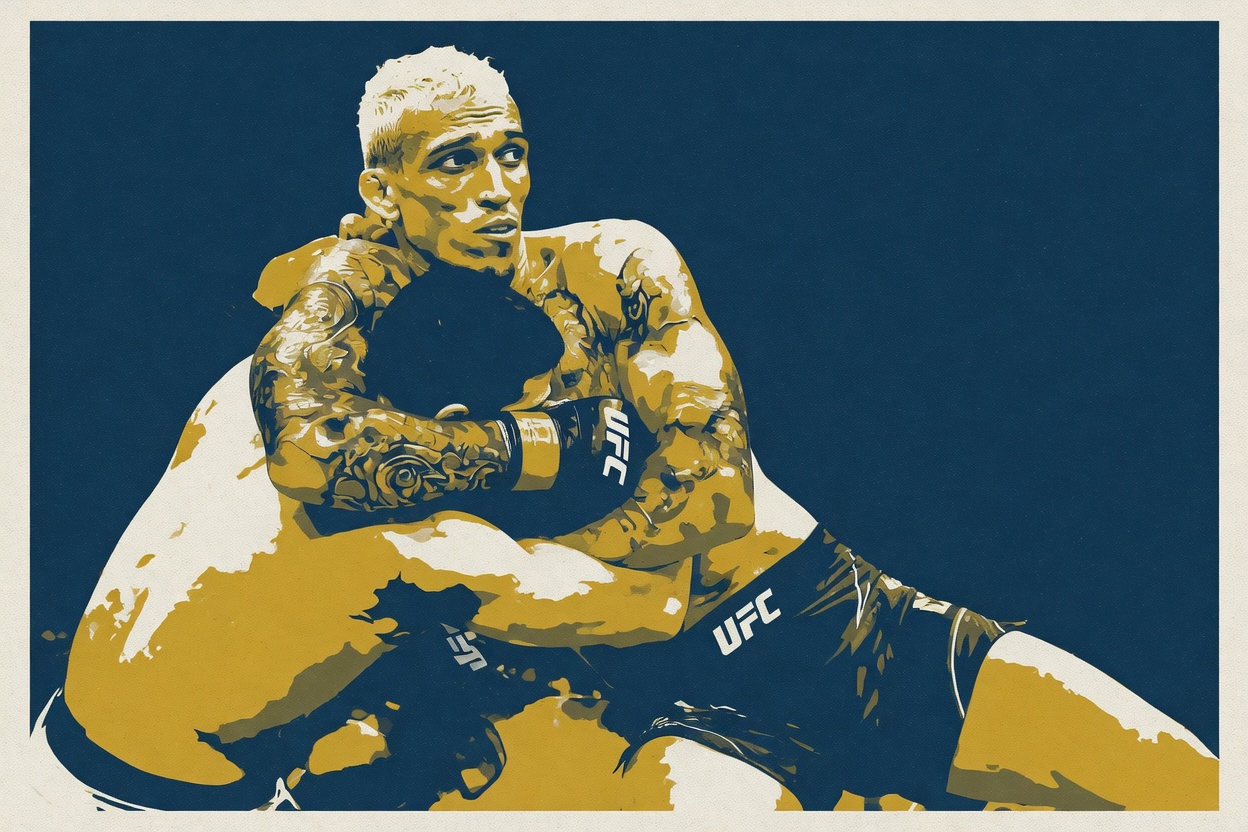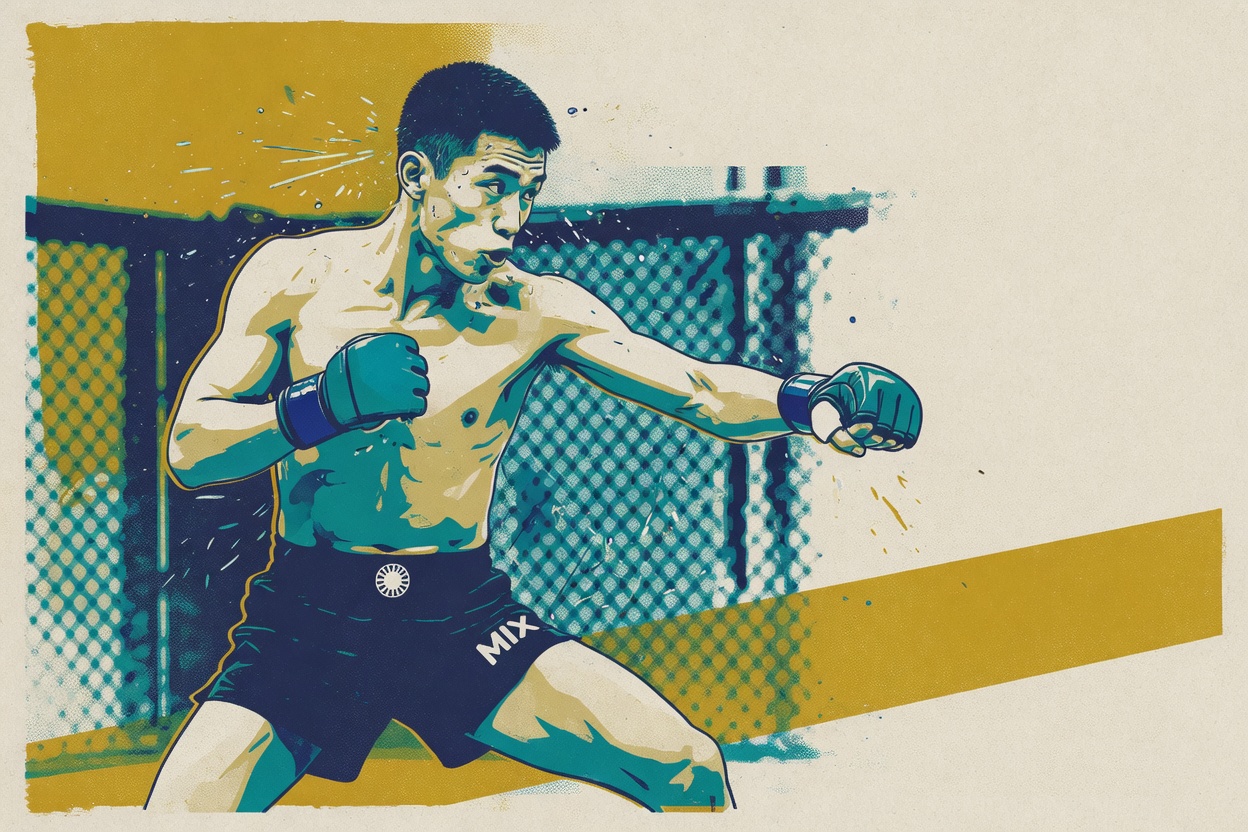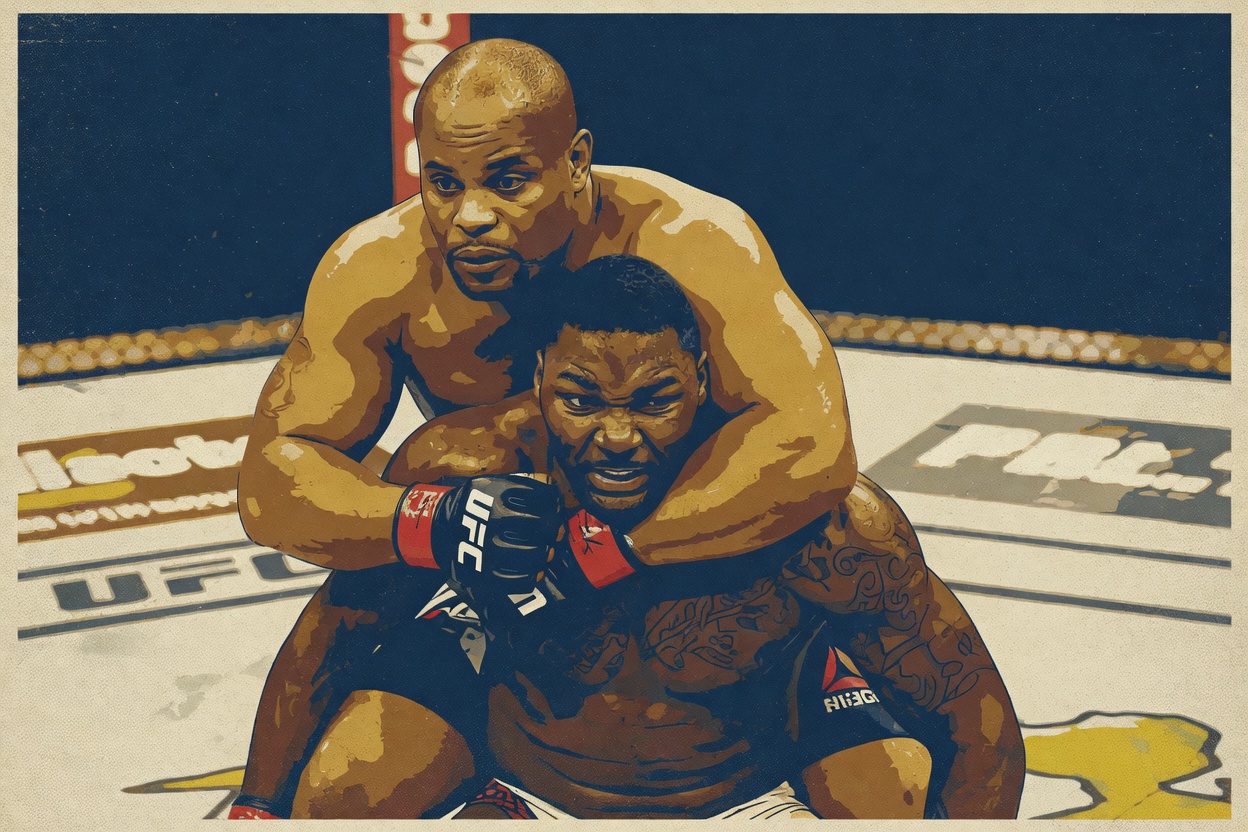
Somewhere on a Wednesday in August, Jose Delgado's phone rang, and his career changed shape.
Yair Rodriguez, the former interim featherweight champion, pulled out of the Noche UFC main event against Jean Silva with an injury. Rodriguez confirmed it himself in Spanish on Instagram: "I got injured. I tried to continue with my training, but in the end I wasn't responsible enough to compete in these conditions." A couple of outlets have described the injury as being in the groin area, though the UFC has kept the official line to "undisclosed," so treat the specifics loosely. What isn't loose is the aftermath. Silva stays in the main event. Delgado, 28 years old and 4-1 in the UFC, steps into a five-round headliner against a certified top contender with roughly three weeks to prepare, on September 12 at Desert Diamond Arena in Glendale, Arizona.
This is the UFC's meritocracy at its most naked, and its most romantic. One man's body betrays him, and another man's whole life pivots on a text message, beautiful and brutal in the same breath.
The lottery ticket nobody drafts you for
Delgado wasn't even on this card. He fought a little over four weeks ago, part of a run that included wins over Andre Fili in March and Austin Bashi in July. He punched his way into the promotion with a highlight-reel knee against Ernie Juarez on Dana White's Contender Series back in August 2024, then stacked first-round finishes over Connor Matthews and Hyder Amil in 2025. His only pro loss came to Nathaniel Wood in October 2025, a fight he entered after missing weight. His path to the top of the sport has been chaotic and opportunistic, and he's earned every bit of it.
Now he gets a three-week mini-camp against, by any honest measure, the best opponent he's faced. Silva (17-3 in MMA, 6-1 in the UFC) is coming off a win over Arnold Allen, has won six of his seven promotional appearances, and has a stack of bonuses to his name. His only UFC loss is a TKO defeat to Diego Lopes. Silva's own reaction to the switch was three words on Instagram: "Never back down."
This isn't a title fight, and nobody should pretend it is. Analysts have floated a No. 1 contender spot as a possible reward for Silva if he wins, but that's speculation, not confirmed matchmaking. For Delgado, the math is different. A short-notice fighter isn't playing for the belt. He's playing for the ticket that lets him keep playing, and for the kind of win that reorders a division overnight.
Ruthless is the feature, not the bug
My take, and I'll say it plainly: the UFC's willingness to let a relative newcomer leapfrog the queue on short notice is one of the best things about this sport. There's no draft protecting incumbents, no guaranteed contract insulating a name from a hungrier man. If you say yes when the phone rings, the cage doesn't care about your ranking. Delgado gets to knock a top contender off his perch not because a committee decided he'd earned a turn, but because he was ready when the schedule fell apart. That's meritocracy in its purest form.
It's also a system that dumps enormous risk onto the person with the least leverage. Delgado is the one cutting weight on a compressed timeline, taking the health gamble of a five-round fight without a full camp, and betting his momentum on somebody else's misfortune. The upside is real. The downside is entirely his.
If you love the meritocracy, fund it
That's the part the promotion could actually control. The men who take these calls deserve to be paid like the load-bearing walls they are.
We don't know Delgado's purse for this fight, and I won't pretend to. What we do have is Sean Strickland, the middleweight champion, describing the short-notice economy on the Shawn Ryan Show. Strickland called it "predatory," then explained the incentive in the same breath: the UFC might call five days out, and "they will give you, you know, maybe a 30, 40, 50 grand pay bump." That's Strickland's characterization, not an official pay scale, but it's a telling one. The promotion knows these fighters are doing it a favor. It pays extra precisely because the ask is unreasonable.
So pay more, and pay it transparently. Guarantee a short-notice replacement a floor: full-camp-equivalent money, a locked win bonus, medical protection if the compressed cut goes wrong. Make the reward for saving a main event match the value of saving a main event, because a headliner falling apart three weeks out costs the UFC far more than a five-figure bump. This isn't charity. It's aligning the incentive with the risk.
Ronda Rousey, in comments this year, argued the UFC has slipped from one of the best places in combat sports to earn a living to, in her view, one of the worst on the pay question. You don't have to co-sign every word to notice the debate keeps landing on the same nerve. The short-notice replacement sits right on top of it.
The bigger picture at Noche
Rodriguez's exit is part of a broader wobble on this card. Kelvin Gastelum is also out of his September 12 bout, and with the event still weeks away as of this writing, more changes are plausible before fight night. That's the environment Delgado is walking into: a card held together by the willingness of people like him to say yes.
One small correction to a narrative already forming. Some framing has lamented that Delgado, stepping onto a card built to honor Mexican heritage, doesn't fit the theme. That reads backward to me. Delgado is a Yuma native who trains at MMA Lab in Phoenix and has built his entire public identity around his Mexican-American roots. He'll fight close to home, in front of local support and a Mexican fan base, on a card built for exactly this. If the meritocracy handed anyone a fitting stage, it's him.
How it ends is anyone's guess. Silva could roll through a man on short notice, the way favorites usually do. Or Delgado could flip the featherweight division on its head with the biggest win of his life. Either way, he already did the hard part. He answered the phone. The least the UFC can do is make sure the men who do that keep getting paid like the sport can't run without them.