The "greatest of all time" argument in MMA is close to worthless, and Kamaru Usman just reminded everyone why. He's right about the mechanism and transparently self-interested about why he brought it up.
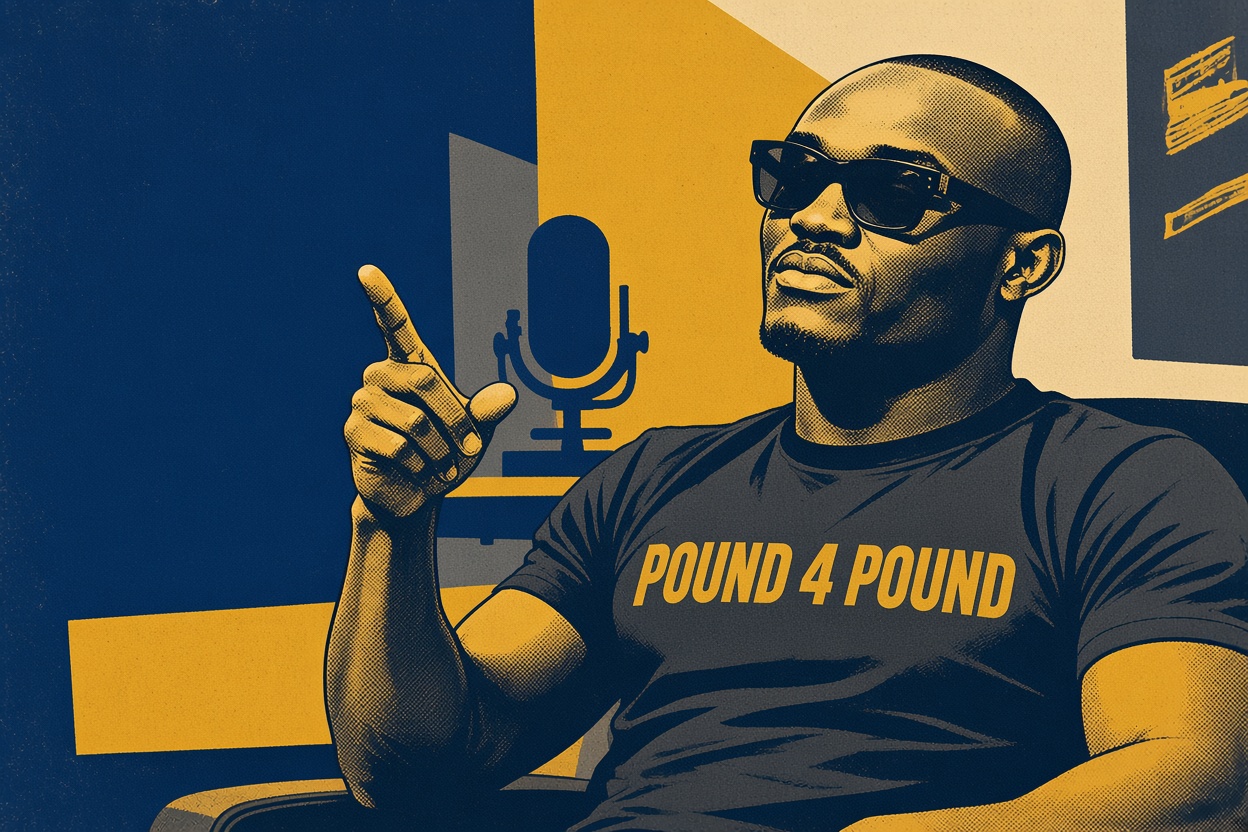
On the "Pound 4 Pound" podcast he co-hosts with Henry Cejudo, released days after UFC 333, Usman put it plainly: "There's no greatest of all time. It's greatest of your time." His reasoning: fighters across eras have "different skill sets," and "each generation, each time, there's a different champion" who masters his moment and becomes the greatest of it. He's right. There's no stopwatch in this sport, no fixed bar to clear. Weight-cutting and coaching have evolved alongside a wave of elite wrestlers and all-rounders coming up now, changing the game so fast that comparing a 2009 champion to a 2026 one means comparing two different sports that happen to use the same gloves.
So why does the question keep getting asked? Because somebody is making money off the answer. "Greatest of all time" is a slogan, cooked up and reheated by the media-and-promotion machine because it moves faster and sells harder than "greatest of his specific five-year run." Watch the pattern: Dana White called Usman the greatest welterweight of all time back in 2022. This week he's open to Petr Yan as the bantamweight GOAT. A promotion with pay-per-views to sell has every reason to crown somebody new every couple of years, and a fanbase trained to rank everything the second the final horn sounds is happy to oblige.
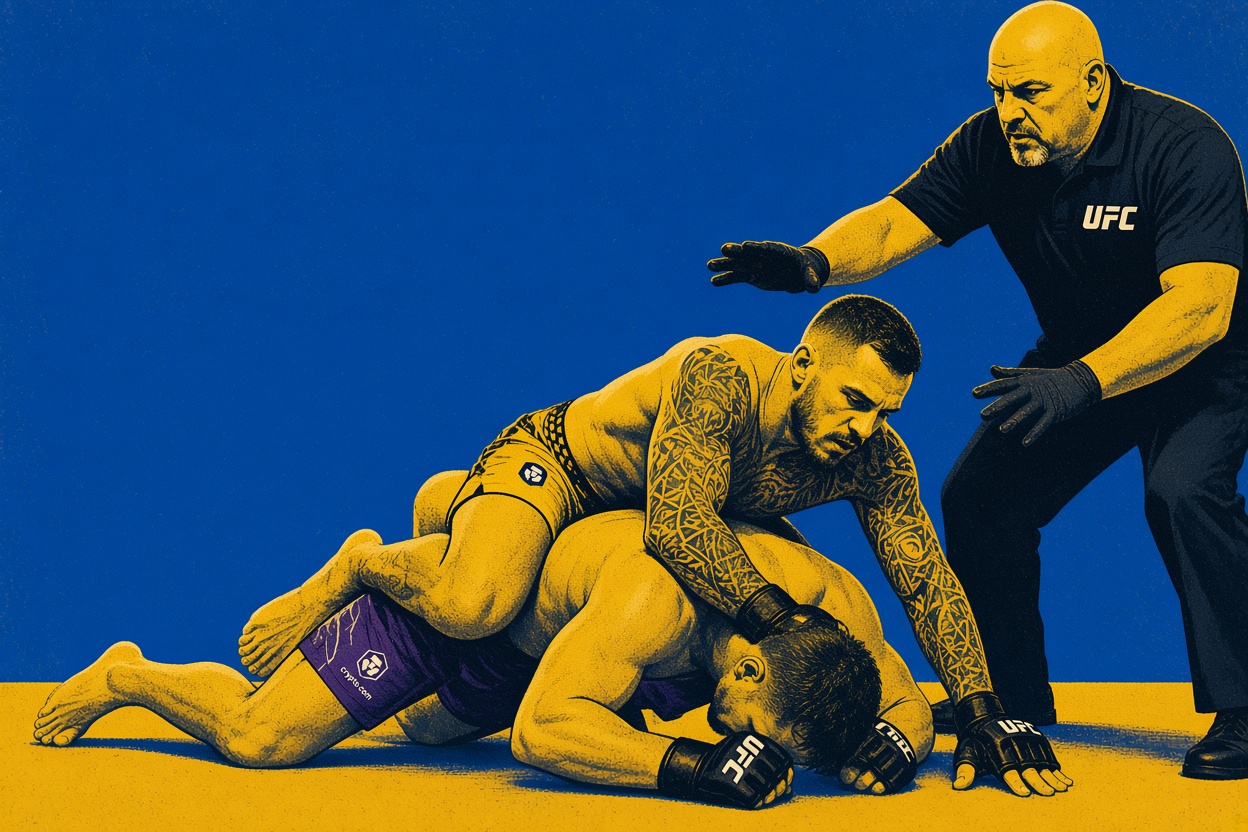
That's exactly what triggered Usman's comments. On Saturday at UFC 333, Yan retained his bantamweight title in the co-main, beating former champ Merab Dvalishvili by unanimous decision, all three cards reading 48-47. Within hours the "bantamweight GOAT" talk was everywhere. There's one problem: that win was the first successful title defense of Yan's reign. Even Cejudo, sitting across from Usman on their own show, wasn't buying it, pointing out that Aljamain Sterling holds the record for most consecutive UFC bantamweight title defenses at three, a run that includes two wins over Yan himself. If the two hosts of the same podcast can't agree on how to apply the idea, the whole exercise runs on vibes.
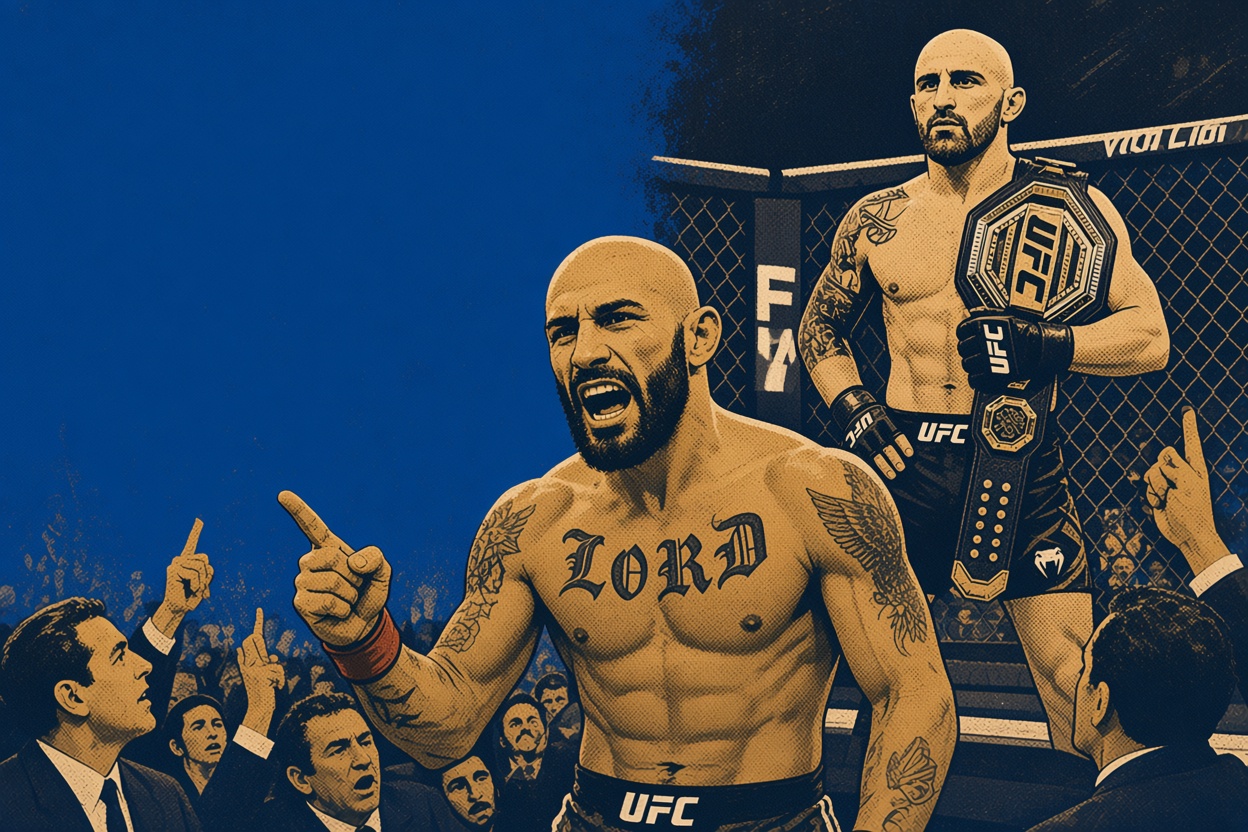
The framework holds up. Usman's use of it is about his own record, conveniently timed. He paired the philosophy with a personal claim, that in his prime he'd have been "good enough to beat" Georges St-Pierre, before adding, "that is my opinion. That's not saying that's exactly what would have happened." He hedged it. But the Usman talking now isn't the Usman the GSP comparison was ever built on. His record sits at 21-5 as of his most recent fight, and he's lost four of his last five. The latest was a lopsided decision to Dricus Du Plessis in July 2026, cards of 50-45, 49-46 and 49-46, in a bout contested above welterweight. At 39, he's talking about the fighter he was from 2019 to 2021. The guy on the mic right now is still searching for form.
GOAT arguments are fun. They're subjective and unsettleable, half the point of following sports. You can't prove it, so you argue it forever, in the bar. Just stop pretending it's analysis. The moment a single decision win becomes a coronation, the word "greatest" has stopped describing anything and started selling something.
None of this is really the fighters' fault. Usman hedged. GSP has long said you should wait until a career is over before ranking it. The people forcing an impossible question in real time, within days of one fight, are the ones writing the reflexive "greatest ever" headlines, the promotion dangling the label to shift tickets, and a social feed that wants a ranking before the sweat's dry. Retire "greatest of all time" as a serious category and ask who ran their own era instead. It's the only version of the question the evidence can actually answer.