There's a version of the Taylor Ward trade that looks like a downgrade, and Seattle knows it. This is a guy who hit 36 home runs for the Angels last year, then got to Baltimore and turned into a different hitter. So when the Mariners agreed Monday, hours before the trade deadline, to send reliever Alex Hoppe and minor leaguers Brock Moore and Harrison Kreiling to the Orioles for him, they weren't buying the middle-of-the-order slugger from 2025. They were buying the on-base machine he's become.
Start with the number that actually explains the deal. Through his final game with Baltimore this year, Ward carried a .383 on-base percentage while hitting .246. Put those two together and you get the idea. He walked 87 times, most in the American League and, at the time of the trade, second in all of baseball. His chase rate, 14.3%, was the lowest of any hitter in the sport this season. His walk rate, 17.2%, put him in the same neighborhood as Trout, Kurtz and Soto. Whatever else has slipped, Ward's eye at the plate is now one of the best in the league.
Now the other half of the ledger, because Seattle has to look at it straight on. The power is gone, at least for now. In 111 games with the Orioles this year, Ward hit just seven home runs, a steep fall for a hitter who topped 23 homers in three of his four full seasons with the Angels. His slugging percentage sits at .346. Twenty doubles, and not much over the fence, is what's left of the pop that once made him a run producer.
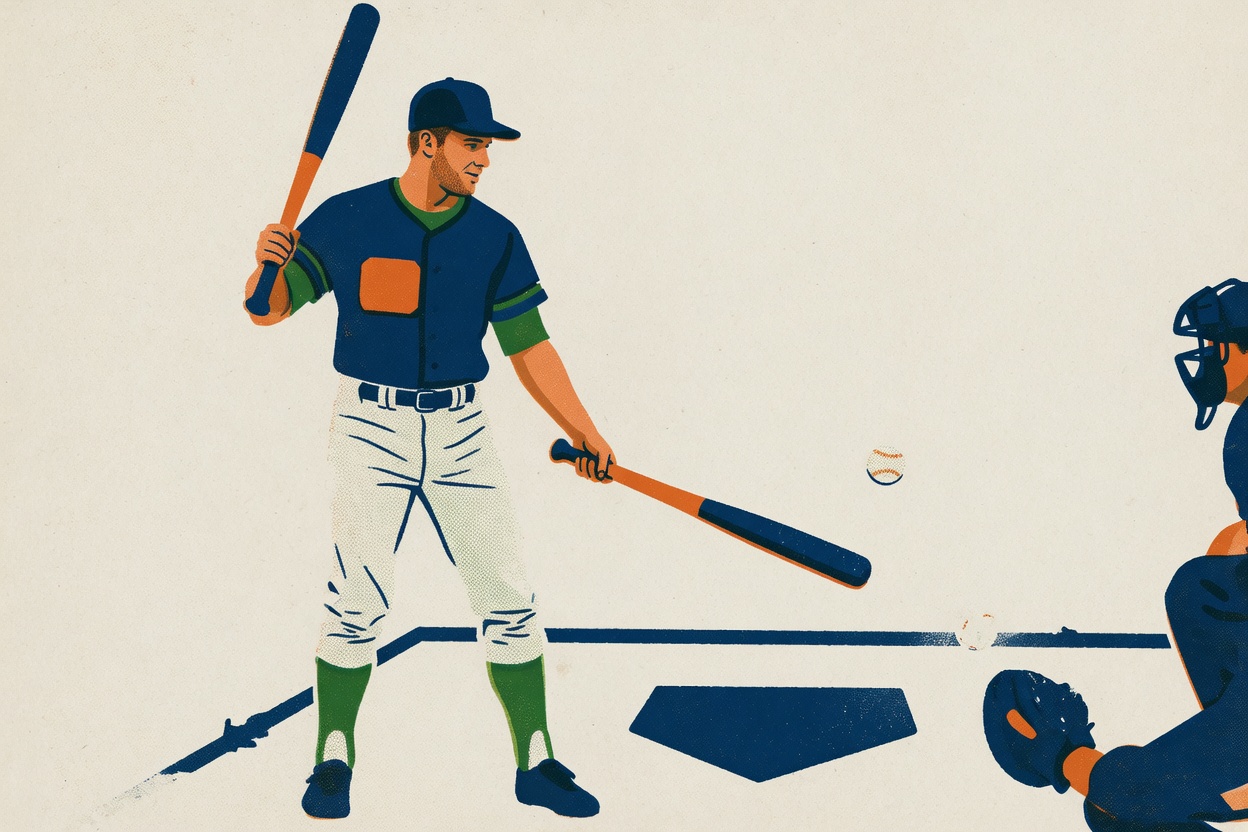
The version of Ward the Mariners actually got is the real question here, and it's a fair one. GM Justin Hollander kept it simple in the team's release: "We are excited to add Taylor to our lineup." What he's adding is a hitter who grinds out at-bats, works counts, and doesn't give pitchers easy outs, even if the ball isn't leaving the yard like it used to.
That might be exactly the right shape of gamble for this team. Seattle's identity has been built on run prevention. The pitching has carried the club, and the offense has too often been what keeps them from the ceiling they're chasing. A lineup that goes cold in October wastes good starts. Ward won't fix that by hitting balls into the third deck. If he fixes it at all, it'll be by lengthening the lineup and keeping innings alive, the unglamorous work that turns two-run games into four-run games.
The risk is that patience without pop is a compliment that fades fast in a short series. A .383 OBP is worth a lot when the hitters behind you can cash it in. If Seattle can't drive Ward home, those walks turn into runners stranded on base, and the criticism writes itself: they added an on-base guy to a team that needed more slug.
My read is that Seattle made the smarter version of this move. Home run totals swing wildly year to year, and Ward isn't far removed from a 36-homer season, so betting some of that power comes back isn't a fantasy. The plate discipline, meanwhile, is the safest thing about him. It's the skill that travels. A hitter who simply won't chase is a foundation, not a coin flip.
Whether this ends up as the move that finally gave Seattle an offense to match its pitching comes down to one question that won't be answered for weeks: does Ward's patience turn into runs, or just longer at-bats that end the same way? The Mariners are betting on the former. Given what they gave up, and what they've needed for years, it's a bet worth making.