The smartest move a rebuilding team can make isn't always a splashy one. Sometimes it's just refusing to let a good player get away for free, and doing it before the rest of the league gets a vote.
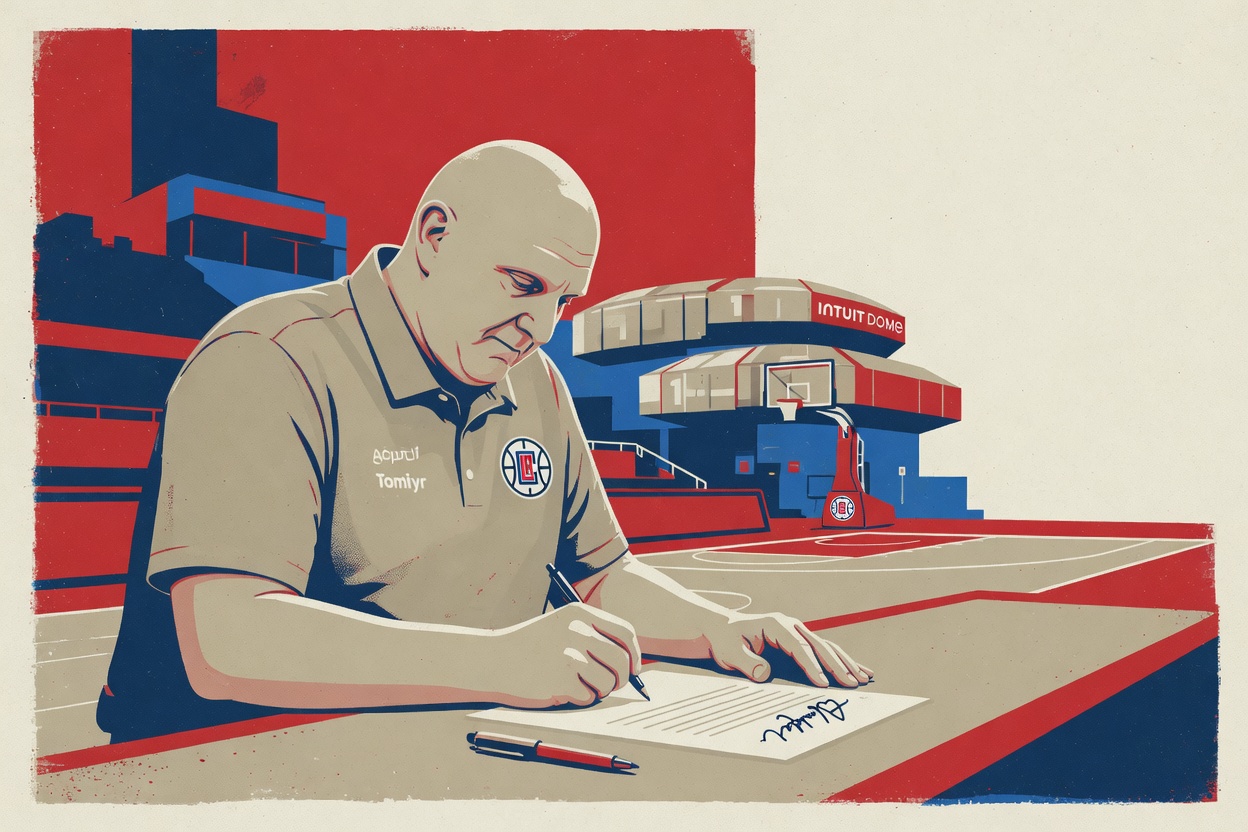
That's what Dallas pulled off on Sunday, August 2, signing forward Naji Marshall to a three-year, $52.2 million extension, fully guaranteed, taking him through the 2029-30 season. The headline figure rounds up; the exact cap-sheet number lands closer to $51.86 million, an average annual salary of about $17.3 million. Call it whatever you like. The point is the timing.
The window Dallas used before anyone else could
Marshall was heading into the final year of his prior deal, set to make $9.4 million this season, the walk year of a three-year, $27 million contract. Do nothing, and he becomes an unrestricted free agent in the summer of 2027. Instead, Dallas used the one advantage it had that no rival could touch: the exclusive right to negotiate with its own player. It signed him roughly a year before he'd have tested the market at all.
That matters given what the market looks like right now. Per ESPN's cap reporting, the wave of extensions under the current CBA has left the league starved for spending power this summer, with only Brooklyn, Chicago and the Lakers holding real room. And what do cap-space teams need? Wings. The Lakers' listed needs this offseason read like a Marshall scouting report: a wing, shooting, bench depth. Give a versatile forward like this a chance to reach 2027 with three checkbook-heavy teams circling, and the price stops being reasonable fast.
It happens every offseason. Bleacher Report's own framing captures it: getting paid above market is supposedly harder than ever in the apron era, and yet certain players still land strikingly high windfalls anyway. This summer alone produced the usual crop of deals the open market talked teams into, from Milwaukee re-signing a wing above what anyone else would've paid to Washington's four-year commitment to Trae Young. None of those involve Marshall, and that's the whole idea. Cap-flush teams reliably overpay for exactly the connective, do-a-bit-of-everything wing he's become, and Dallas made sure he'd never sit on that particular auction block.
He's worth the number, with one honest caveat
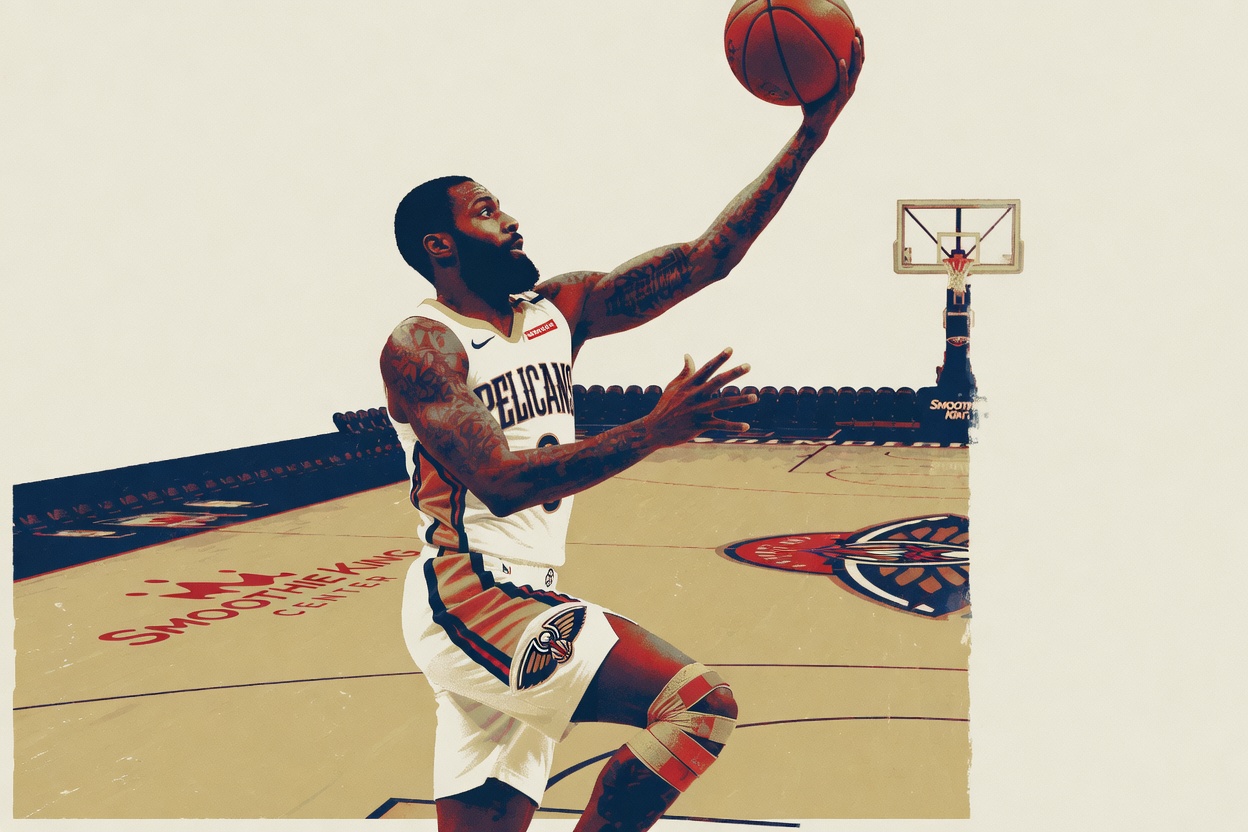
This isn't a case of paying up out of fear. Marshall earned it. In 2025-26 he put up career bests almost across the board: 15.2 points on a career-high .510 from the field, 4.7 rebounds, career highs of 3.3 assists, 1.1 steals and 29.5 minutes across 74 games with a career-high 47 starts. He hit six 30-point games, up from just two the year before. He was Dallas's second-leading scorer.
Worth a fair asterisk: that ranking says as much about how thin the roster was as it does about Marshall's ceiling. But the way he scored holds up. Roughly 48.5% of his attempts came within eight feet of the rim, where he shot 64.1%, and on those shots he finished about ten percentage points better than his shot quality suggested. He's a downhill force, not an empty-numbers guy. The honest weakness, and you have to name it if you're calling this a value deal, is that he shot below 30% from outside 16 feet. If that jumper firms up, this contract goes from smart to a steal.
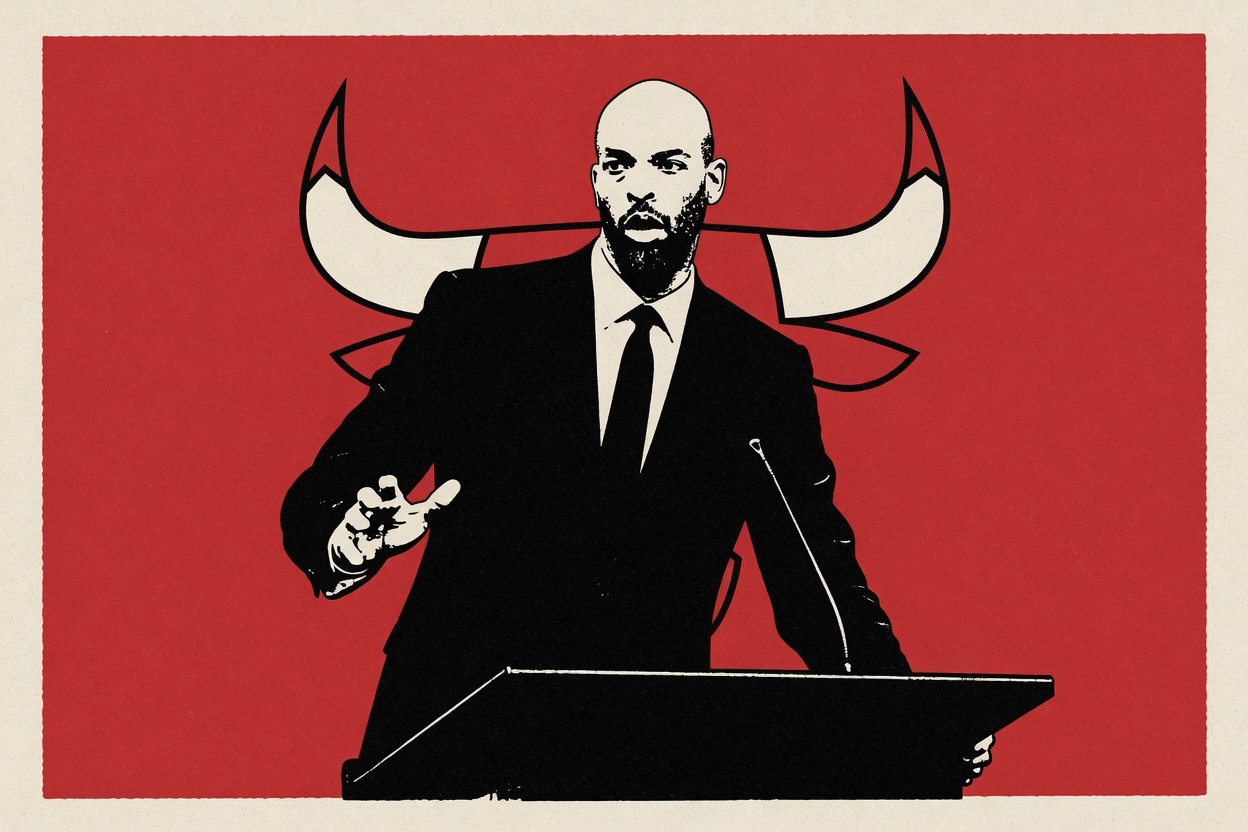
His nickname does the rest of the talking. They call him "The Knife" for his utility-knife versatility, and Masai Ujiri, running basketball operations now, leaned into it: "He is a competitive player who impacts winning in a variety of ways. His versatility, toughness and willingness to embrace every challenge make him an important part of what we're building."
The structure is the tell
The deal descends, starting around $18.2 million in 2027-28 before sliding to $17.3 million and then $16.7 million, roughly 9.5% of the cap in Year 1. That's not an accident. As Third Apron's Yossi Gozlan noted, the descending shape keeps Marshall trade-eligible. Dallas didn't just buy cost certainty, it kept its options open. For a team still figuring out its shape, that flexibility matters.
And this is a team that badly needs to stop losing pieces for nothing. Dallas closed 2025-26 at 26-56, 12th in the West, no play-in, no playoffs. Nico Harrison, who engineered the wildly unpopular Luka Doncic trade, was relieved of his duties with the team sitting at 3-8. Anthony Davis played only 20 games before being salary-dumped to Washington. Kyrie Irving never suited up while recovering from a torn ACL. The one clean bright spot was Cooper Flagg, who took Rookie of the Year with 21.0 points and 6.7 rebounds.
Into that wreckage walked Ujiri, and one of his first meaningful acts was keeping a durable, homegrown-feeling player off the market at a below-max price. There's a wrinkle that makes it more interesting, too: reporting has flagged an already-crowded Dallas frontcourt, and Marshall's name had floated around trade chatter tied to that logjam. Instead of moving him or letting the clock run, Dallas chose continuity over churn.
Maybe the jumper never comes around and this reads as a fine, forgettable role-player contract. That's the downside. The upside is a versatile wing under team control through 2030 at a number the open market wouldn't have honored a year from now. In a summer where three teams were hunting exactly this archetype with cash in hand, Dallas made sure the bidding never started.