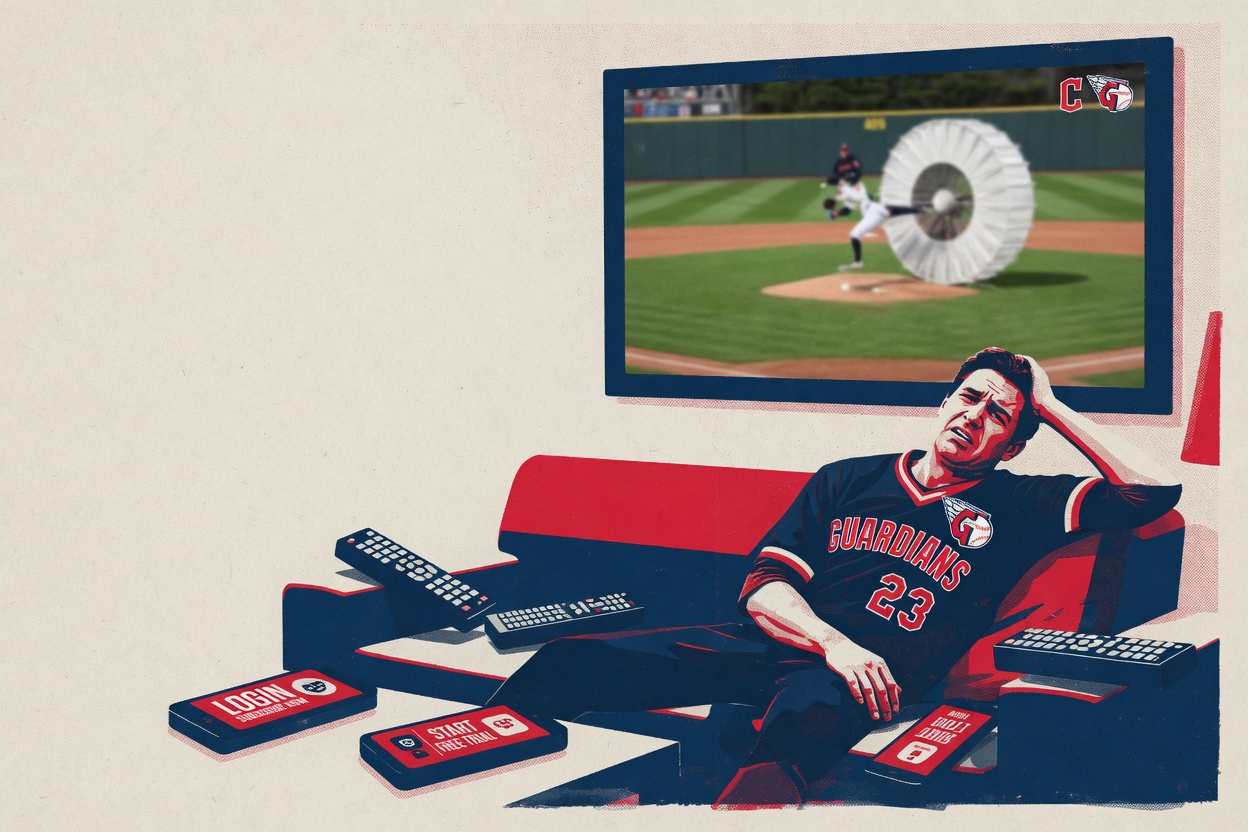
Here's what following baseball cost you this year. To catch Opening Night you needed Netflix. For the Friday games you needed Apple. For the out-of-market slate you needed MLB.TV, now routed through ESPN. For the league championship round you needed TBS and HBO Max. The World Series starts October 23, and getting there required a stack of logins that reads like a software audit. Watching baseball this year felt like reconciling an expense report.
And every link in that chain has already failed you once. Netflix's big MLB launch on Opening Night buckled, and fans spent the evening furious at a spinning wheel instead of watching a game they'd paid for. That's the opening act; the blackout screen is the encore: you hand Major League Baseball your money for the explicit right to watch baseball, run face-first into a blackout, and get told that's working as intended. There's no customer-service explanation for charging someone to watch a product and then refusing to show it to them. It's a scam with a help center.
The numbers are starting to say what the comment sections have been shouting for a while. Total viewership for the 2026 Division Series came in around 3% below last year. The league has shown little sign of treating that as a problem. A shrinking audience says otherwise.
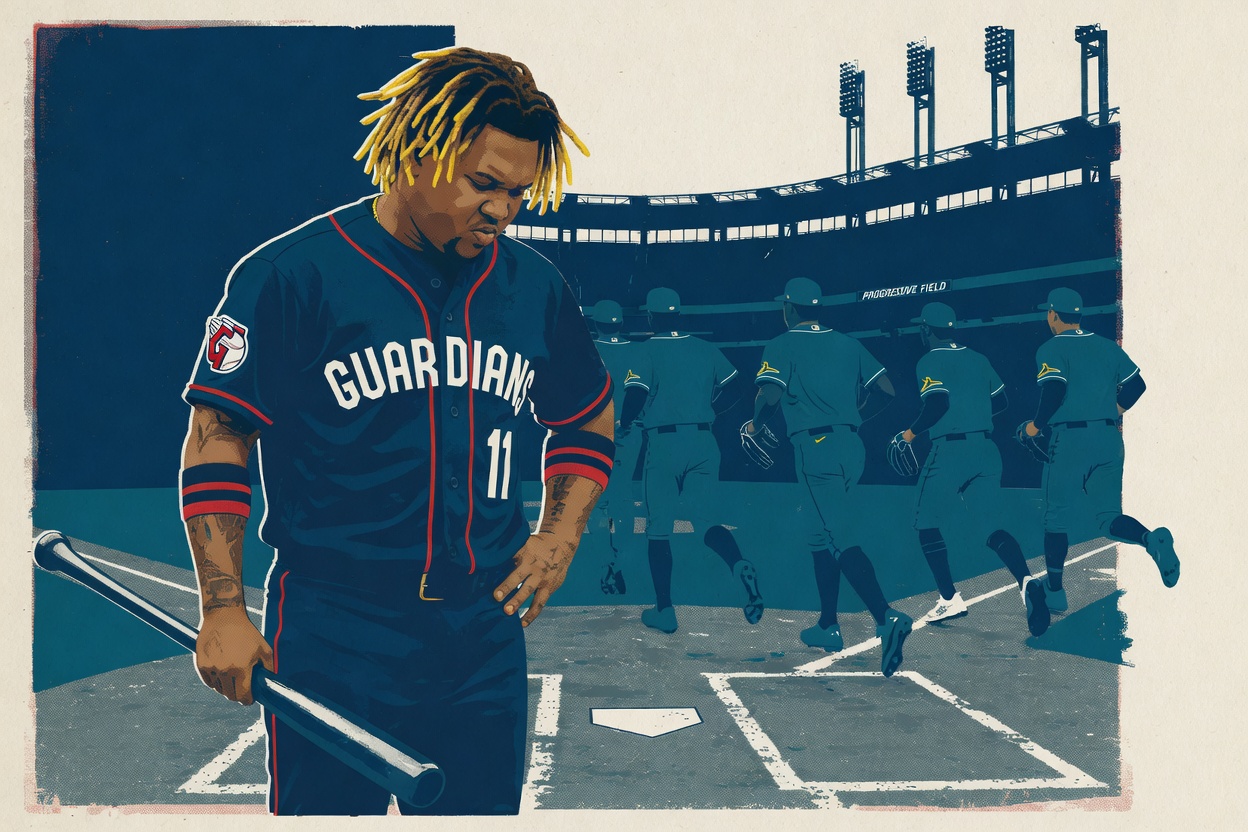
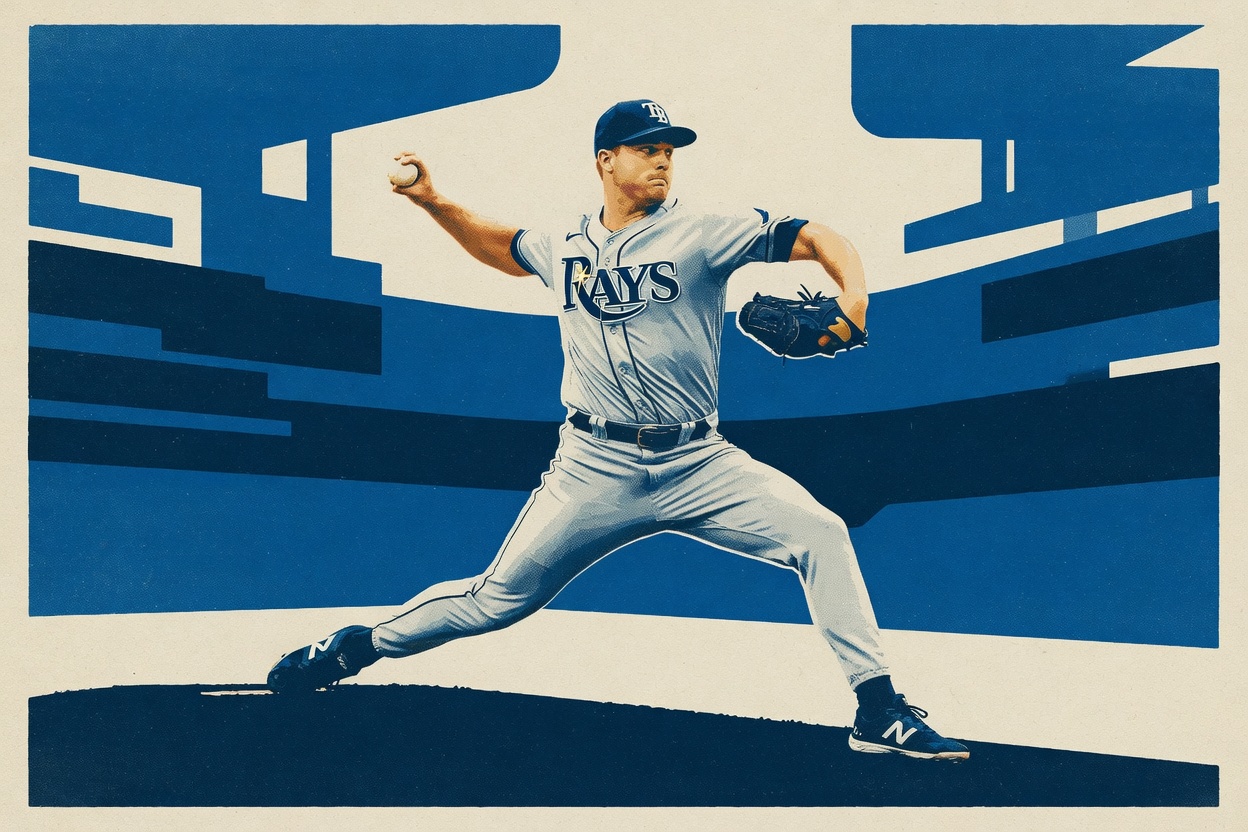
Tonight the Guardians and Rays play ALCS Game 6 at Tropicana Field on TBS and HBO Max, with the Brewers already waiting in the National League. It's a terrific series. It's also, for a lot of casual fans, a game they won't find, because finding it now means knowing which of six corporations happened to win that slice of the rights auction. Baseball used to be the thing you stumbled onto flipping channels. Now you need a map and a credit card.
Fans own a piece of this too. For years the loudest demand in the sport was to blow up the cable bundle, to stop paying for 200 channels to watch one team. People wanted out, and they got out. What arrived instead is worse than the bundle ever was: the same money, split across more companies, each running its own app with its own blackout rules. Cutting the cord was supposed to set you free. It just handed the leash to more people.
The league won't say this part out loud. The subscription is the real product now. So is the betting app bolted onto the broadcast. The games are the bait that gets you to sign up for the thing MLB actually cares about collecting: your recurring monthly payment and your eyeballs on an ad. A sport confident in its own product doesn't hide it behind six paywalls and a VPN workaround.
MLB did this on purpose. Nobody forced the league to carve the national rights into pieces and sell each one to whoever bid highest, with no thought for the person holding the remote. They chose the money. They chose it knowing exactly what it would do to someone trying to watch their team in October, and decided that frustration was an acceptable cost of a bigger check.
The World Series is four days out and millions of people who love this sport still can't tell you where to watch it. This is the plan, and it's a disgrace.