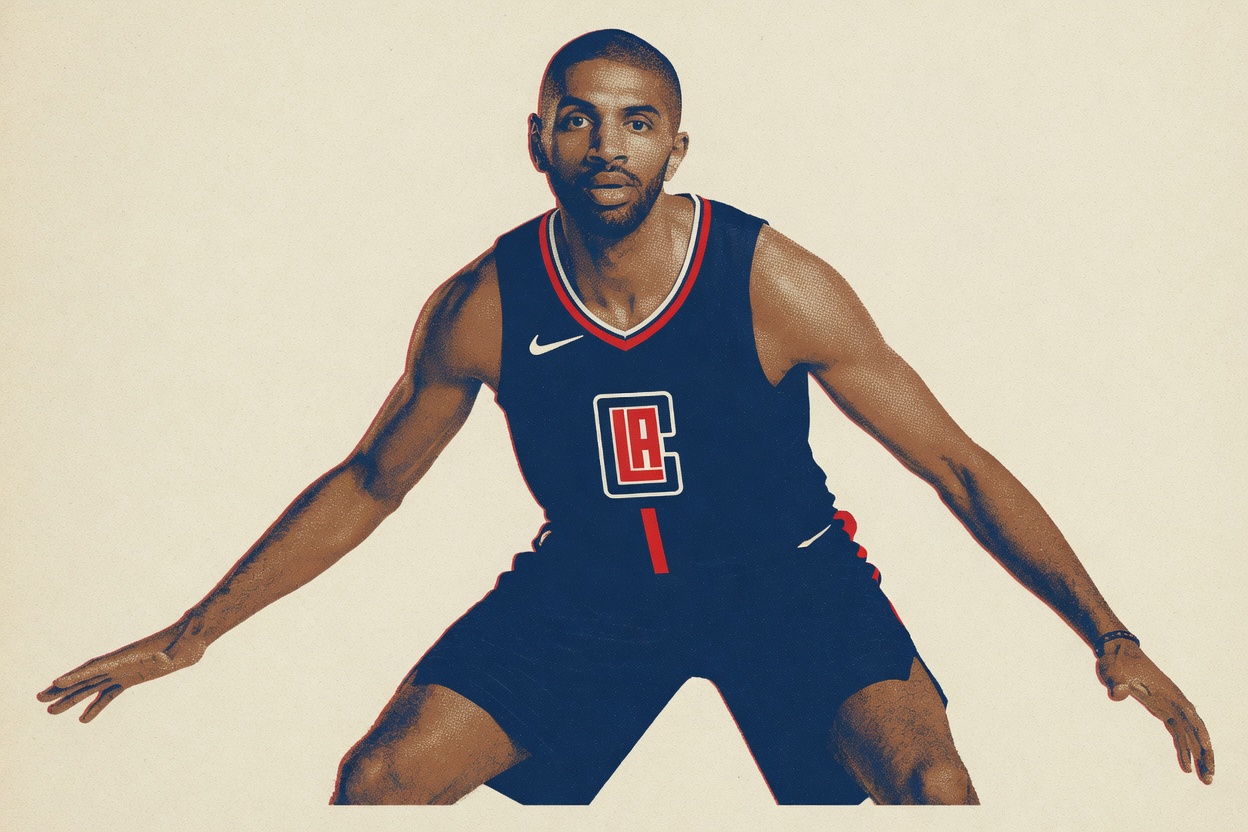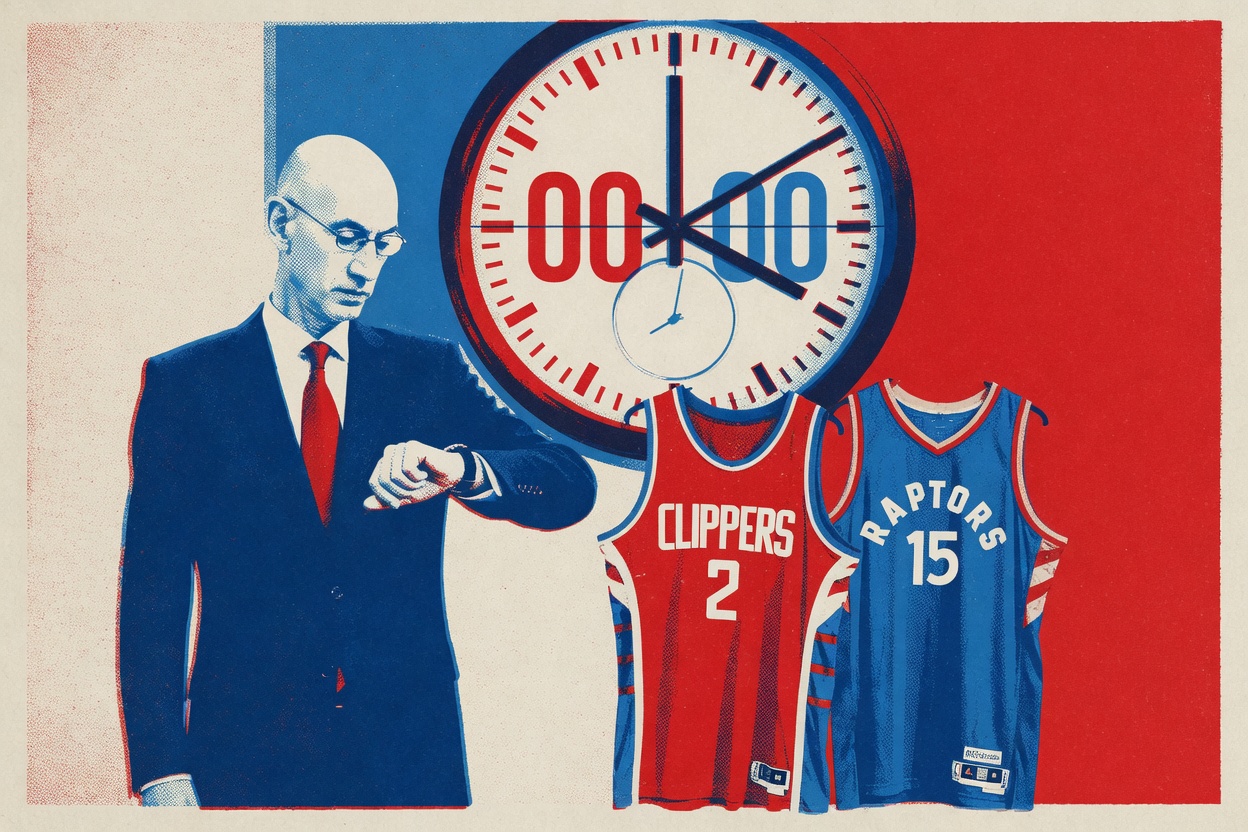
The finish line on the Kawhi Leonard investigation keeps sliding, and nobody at the league office seems eager to explain why. That should bother you more than any single allegation in the case.
Start with the origin. The case grew out of reporting by Pablo Torre in September 2025 into a company called Aspiration and what's alleged to be a no-show endorsement deal for Leonard. The allegation, corroborated across multiple outlets, is that Clippers owner Steve Ballmer tried to dodge the salary cap by having Leonard sign a $28 million endorsement deal with Aspiration Partners Inc. that required no actual work. Aspiration wasn't a random logo, either. In September 2021 the Clippers announced a 23-year, $300 million partnership with the eco-friendly firm and made it the team's jersey patch sponsor. Ballmer had his own money in it, most reports put his investment at $60 million, and he has denied any wrongdoing. Aspiration itself filed for bankruptcy in March 2025.
That's the story. Now watch the clock.
The moving deadline
Back in the fall of 2025, one early estimate had the NBA's inquiry wrapping up after the All-Star break in February 2026. That came and went. The probe is being run by the law firm Wachtell, Lipton, Rosen & Katz, and by early August 2026 it had dragged on for nearly eleven months.
Then came Adam Silver at the Board of Governors meetings in Las Vegas on July 14, 2026. "This needs to be wrapped up before the beginning of next season," he said, while conceding it had gone on "longer than I would have hoped, there's no question about that." He blamed the delay on legal complications, "dealing with bankruptcy courts and reluctant witnesses," and suggested the hard part was nearly over: "My understanding is Wachtell is now in the process of going through the information they've gathered and drawing conclusions from it."
That sounds like a man telling you the end is near. Two weeks later, the story flipped. On July 29, sources told ESPN the investigation could drag into 2027 if the parties can't agree on the findings or on any settlement that involves punishing the team. Line up those two updates and something doesn't add up. On July 14, the fact-finding is basically done. On July 29, the thing that could push this into next year isn't the fact-finding at all, it's the negotiation over what happens next.
Two readings, and neither is flattering
That gap is the whole ballgame. There are two honest ways to read it.
The charitable version: the league is doing this properly. Bankruptcy courts move slowly, witnesses lawyer up, and if a punishment is going to be challenged through arbitration anyway, you want your findings airtight before you drop them on a star player and one of the league's marquee franchises. A rushed penalty that gets overturned would be worse than a slow one that holds. On this reading, "could drag into 2027" isn't foot-dragging, it's the sound of a case being built to survive a fight.
The cynical version, and the one I can't fully shake: the league is in no hurry to hand down a politically awkward verdict. The potential penalties here are real. Reporting across several outlets says the possible outcomes include fines of up to $7.5 million, forfeiture of draft picks, the voiding of player contracts, and suspensions of up to one year for team personnel involved in any violation. Leonard himself could see his contract voided or a fine of up to $350,000 if the probe concludes he broke the rules. None of that is a slap on the wrist, and none of it is the kind of thing a league loves to announce about a name-brand owner and a former Finals MVP. The longer everyone waits, the less it stings, and the more everyone involved has an incentive to quietly land on a number nobody will contest.
I don't think this is a cover-up, but I also don't think the delay is purely about diligence. When the commissioner tells you in mid-July that his investigators are drawing conclusions, and two weeks later the reporting says the case could stretch another year because of disputes over the punishment, that's a negotiation, not a fact-finding delay. And negotiations between a league and a billionaire owner tend to move at the speed the more powerful party prefers.
The people stuck in the waiting room
While the NBA takes its time, real basketball decisions are frozen. A trade was reportedly agreed on June 30 that would have sent Leonard to Toronto for Brandon Ingram, Gradey Dick, unprotected first-round picks in 2031 and 2033, a 2027 first-round pick swap and two second-round picks. It's on hold until the investigation is resolved. The Clippers said the deal "can only be finalized if the Raptors' ownership group assumes the risk of penalties related to Kawhi's contract that could theoretically result from the ongoing investigation," and on July 9 the Raptors pressed pause, saying they "remain eager to bring Kawhi back to Toronto" but will wait until the investigation is over to proceed.
So two teams and a star player are all holding their breath because the league can't, or won't, give a straight answer on when this ends. As of this writing, no findings have been announced and no penalties issued against Leonard or the Clippers. That's fine for a young case. For one closing in on a year, with the commissioner already promising a resolution before next season, it starts to look like a process built more for the league's comfort than anyone's clarity.
Judge Silver by his own words: he set the deadline himself, before the season starts. If the ruling lands cleanly and holds up, the slow burn was worth it. If this instead slides into 2027 on a settlement built to keep everyone quiet, then the shifting timelines will have told us what the outcome was going to be all along. I'm not ready to convict the league of stalling, but I think the burden is now on the NBA to prove it wasn't.