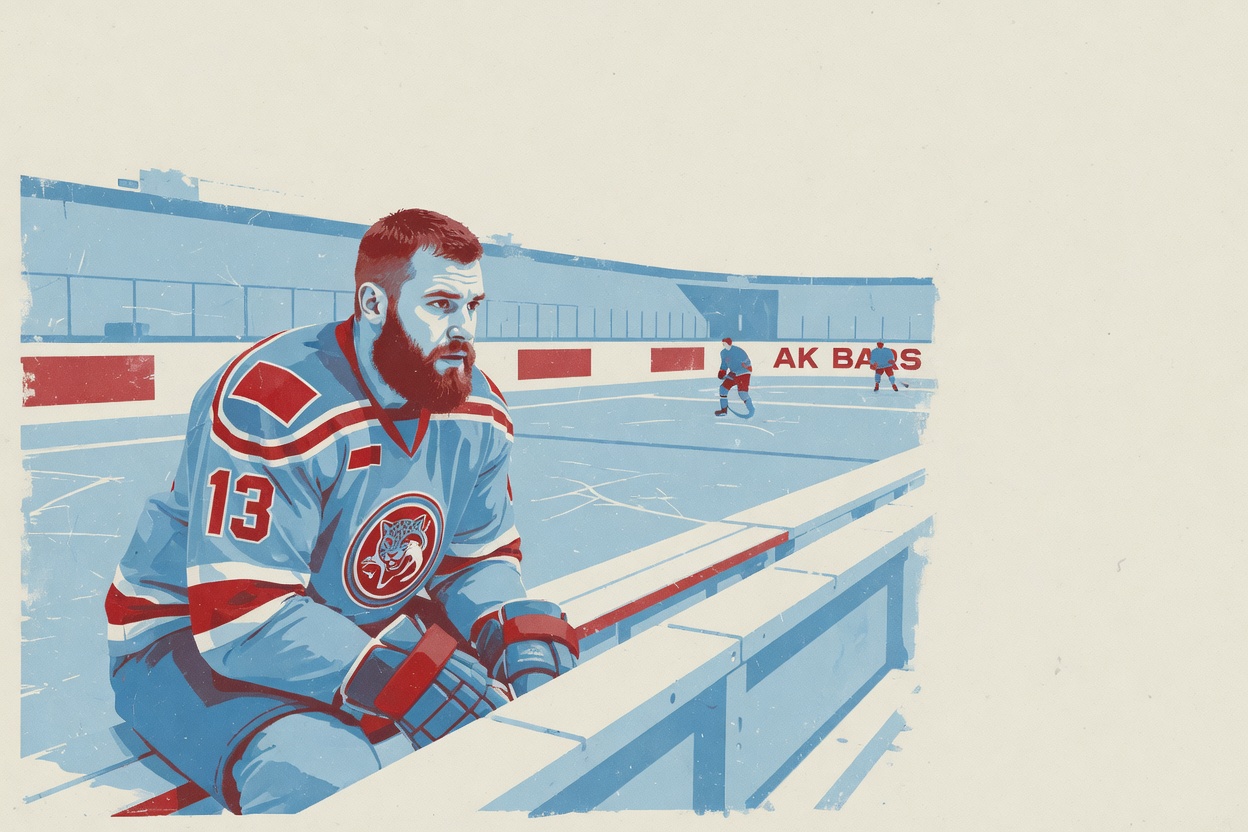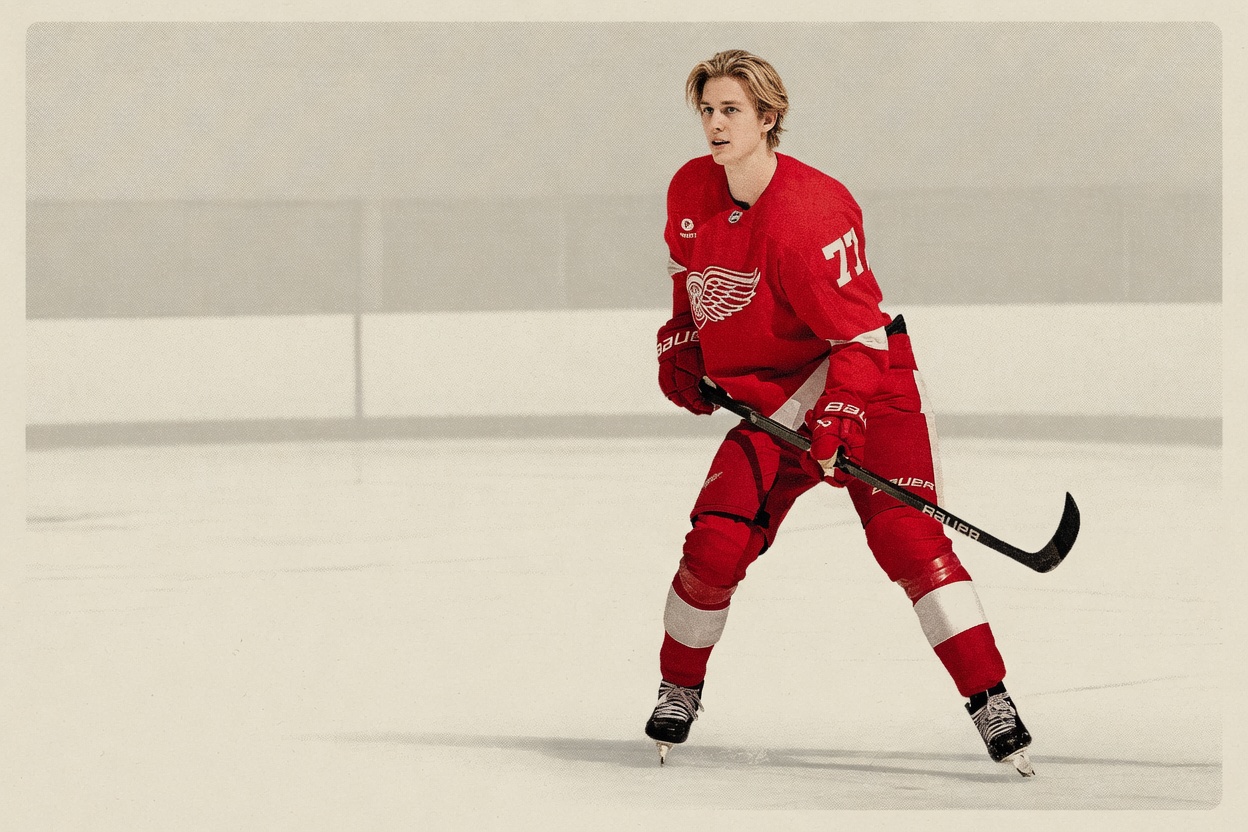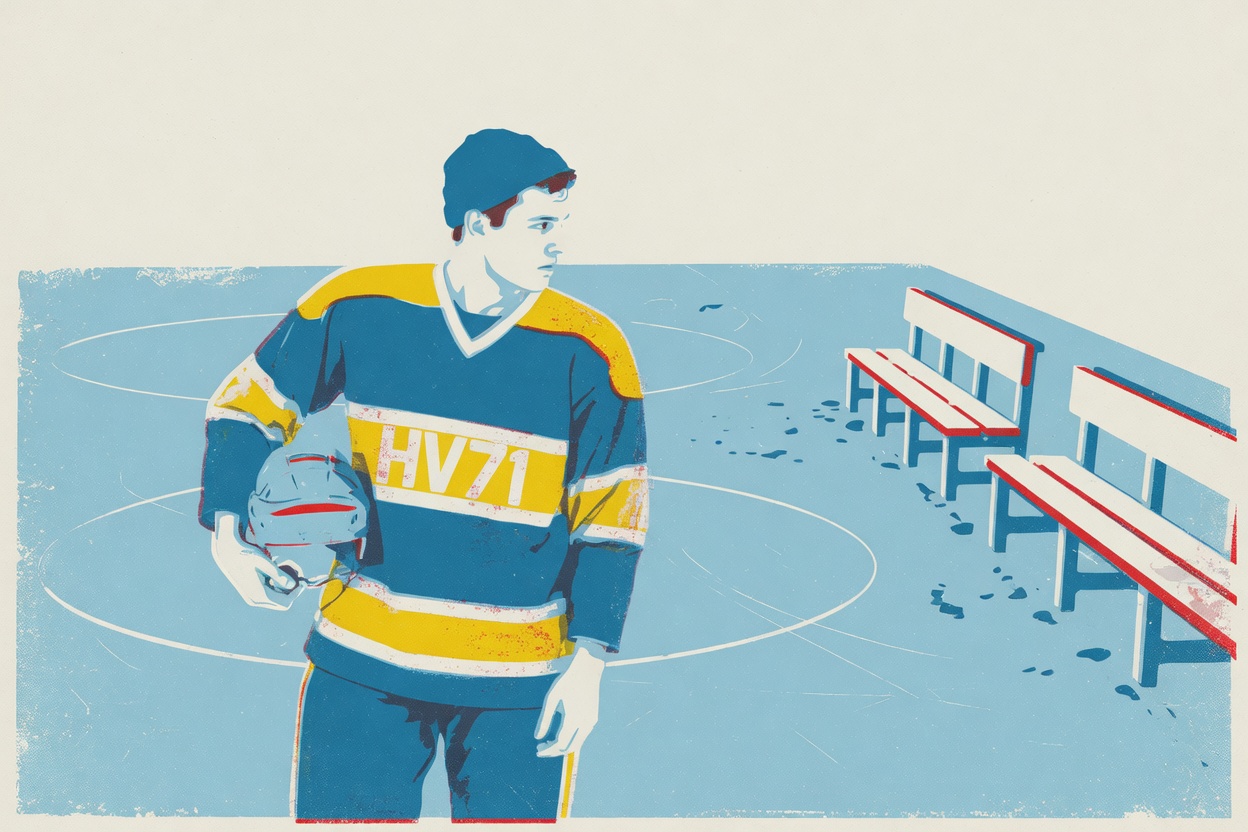
Noah Philp is 27 years old, and as of August 7, 2026, he's done playing hockey. Again.
That word, again, is the one everyone seems to be skipping past. Philp announced his retirement through a press release from HV71, the Swedish club he signed with over the summer and never once suited up for. His explanation was plain: "I really want to apologize to HV71 and all involved regarding the timing of my decision, but I have decided to stop playing hockey. My motivation for hockey is not fully there, and I'd rather be completely honest than not be fully invested in playing."
Notice what's missing there. There's no injury named as the reason, no contract dispute behind it, no better offer waiting somewhere else. A young player in what should be the middle of his career says the desire just isn't there anymore, and he'd rather be honest about it than fake his way through a season. In most workplaces that would register as a person telling you something important. In hockey it gets filed under roster churn, next to the note that HV71 says it will move quickly to find a replacement.
This is why it deserves a longer look than it's getting. This isn't Philp's first exit. Back in 2023 he stepped away from the game, saying at the time he was "at a time in my life where I want to focus on things outside the realm of hockey." He sat out the entire 2023-24 season. Then he came back, put up 35 points in 55 AHL games, and made his NHL debut against Nashville in October 2024. Edmonton GM Ken Holland had qualified him even after that first retirement and kept the door open, which turned out to be a shrewd bit of patience. The comeback was real, and now, barely into the next chapter, he's walking again.
Two departures in three years, both framed around wanting to be somewhere other than a rink, is a pattern worth taking seriously.
I want to be careful here, because Philp didn't say the words burnout, depression, or mental health. He said motivation. It would be irresponsible to put a diagnosis in his mouth he didn't offer. But you don't need a clinical label to recognize that a talented player twice reaching the point where he'd rather do anything else is telling us something about the grind, and about how little room the sport leaves for a person to say "I'm not into this right now" without it becoming a whispered mystery.
Consider the road he traveled to get here. Undrafted, he earned his way in the WHL with Kootenay and Seattle, spending two seasons with each. He went the college route at the University of Alberta before Edmonton signed him. He became a regular for the AHL's Bakersfield Condors, posting 37 points in 70 games in 2022-23. This is a guy who scrapped for every inch of his career, not a lottery pick handed the keys. When someone who wanted it that badly reaches the point of saying the tank is empty, the reflexive "kids these days" cynicism doesn't hold up.
There's one more thread I'll flag as my own read, clearly opinion rather than reported fact. During the 2025-26 season Philp suffered an injury in mid-November believed to be a concussion, cleared waivers, and was claimed by Carolina on December 29 after appearing in 15 games with Edmonton, where he had three points on two goals and one assist. No source connects that head injury to his decision to retire, and I won't pretend one does. But the research here isn't subtle: elite hockey players who report more concussions also report higher rates of depressive symptoms and burnout. I'm not diagnosing Philp. I'm saying that when a player who may have taken a concussion months earlier tells you his motivation is gone, "he just didn't feel like playing" is a lazy place to stop asking questions.
The frustrating part is that the tools exist. NHL clubs, Edmonton among them, have leaned into sports psychology to support players' mental health. The vocabulary is available. What's still missing is the cultural permission for a player to use it out loud without becoming a curiosity. Philp gave us the honest version, apology and all, and the industry mostly shrugged and moved to the next signing.
I don't know what Noah Philp needs, and neither do you. What I do know is that a 27-year-old choosing honesty over a paycheck, twice, should register as more than a footnote. If the sport can't sit with a healthy young player saying the fire went out, and ask why instead of just penciling in his replacement, it isn't really listening. Philp did the hard thing and said it plainly; the least the rest of us can do is listen.