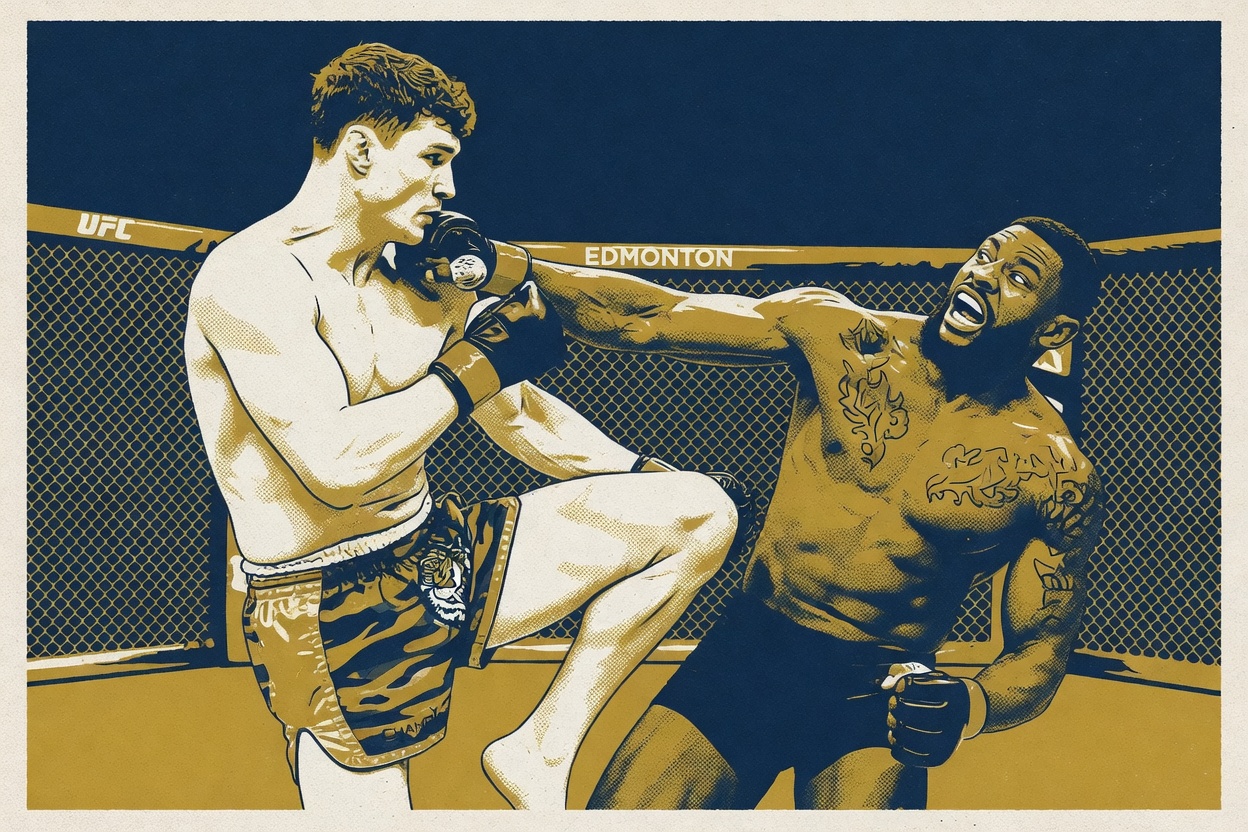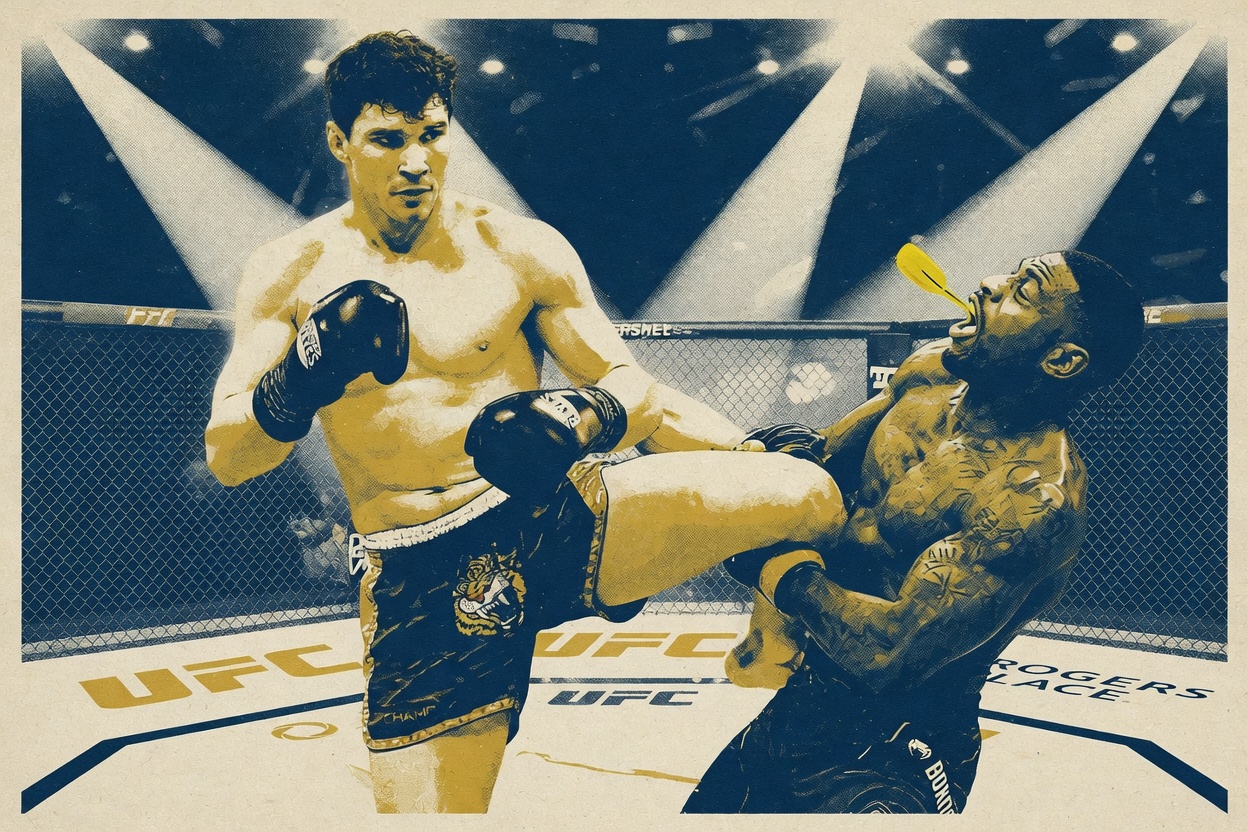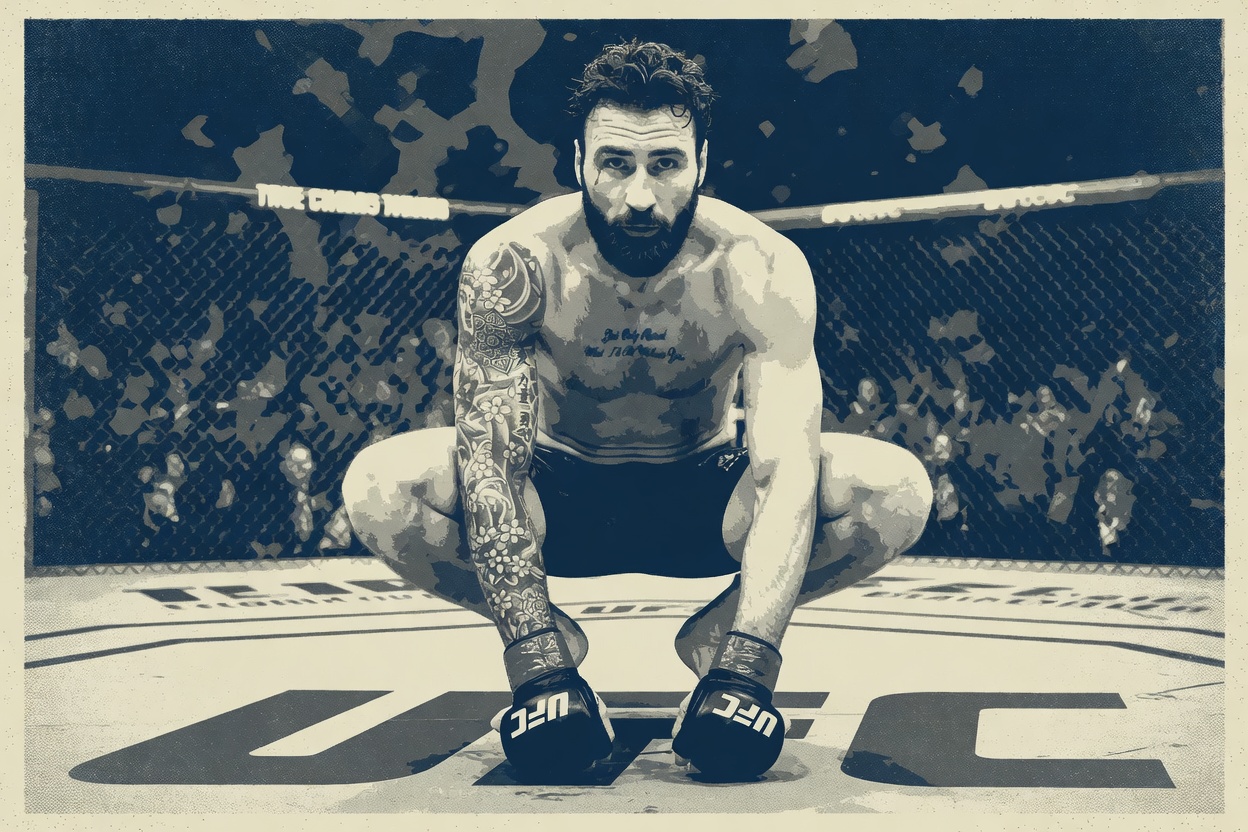
Paul Craig lost the last fight of his career in the ugliest way the sport offers. At UFC Paris, in the final second of the opening round, Modestas Bukauskas dropped a knockout elbow on him and the referee waved it off at 5:00 of Round 1. Craig had pulled guard, his signature move for the better part of a decade, and Bukauskas read it, planted him with ground-and-pound, and closed the round with a finish that beat the buzzer.
Then the Scot did the thing almost nobody in this business manages to do. He took off his gloves, set them in the center of the octagon, and told the Accor Arena he was done. "Guys, thank you so much for the memories. This is why I do this. In this sport, the young eat the old, and I'm old. Thank you for the memories. Thank you."
That moment deserves more attention than the highlight-reel knockout that preceded it. Craig didn't retire because the sport retired him. He wasn't cut, and he wasn't out of options, not a name the matchmakers had quietly stopped returning calls for. After a no-contest at UFC Vegas 107, winless across his previous four bouts, Craig had every reason to expect the axe. Instead the UFC extended his deal and booked him against Bukauskas. He walked into Paris employed, with fights left on paper, and chose to leave anyway.
That's the part I keep coming back to. He told Ariel Helwani afterward that the decision was locked in before the cage door ever shut: "I made a deal with myself, win, lose, or draw, I was walking away." Win over one of the UK's brightest prospects and go out on top. Lose, and, in his own framing, make way for the young guy on the rise. Either result led to the same door. He set that alarm himself, and he honored it even when the result was the worst-case one.
Most fighters can't do that. The whole tragedy of combat sports is that the decision to stop almost never belongs to the fighter. It belongs to the losing streak that stretches one fight too long, or to the crowd that remembers what you used to be and stays quiet about what you've become. Craig named that trap directly. Asked whether he regretted not stopping a year earlier, after his decision loss to Bo Nickal at Madison Square Garden, he said yes, "because you're just prolonging it. The last thing you want is the whole Tony Ferguson thing, where people are looking at his previous fights. That's why I wanted to leave." He's also said he won't come back as an "MMA shadow." His words: "I hate to see these guys do it."
You can quibble with the theater of announcing it seconds after being knocked cold. I'd argue it's the opposite of theater. Doing it right there, in front of the people who paid to watch, without a farewell tour or a face-saving tune-up win to soften the exit, is the honest version. He didn't need one last hand-picked opponent to feel good about leaving. He'd already decided.
The résumé earns the send-off, too. Craig peaked at No. 7 in the light heavyweight rankings and holds stoppage wins over three men who wore a UFC belt: Magomed Ankalaev, who he submitted with a triangle in the dying seconds back in 2018 and who now holds the light heavyweight title; Mauricio "Shogun" Rua; and Jamahal Hill, whose unbeaten record he ended at UFC 263, leaving Hill with a dislocated arm. He retires at 17-10-1 with a no-contest, thirteen of those wins by submission, one of the most prolific submission artists the division has produced. He fought more than twenty times in the UFC across nearly a decade. Bukauskas, for his part, called it "an honor to share the Octagon" with him, and Tom Aspinall was among the fighters who paid tribute.
None of that is really why his exit should be studied, though. Plenty of decorated fighters have résumés like that and still hung around until someone had to pull the plug for them. What separates Craig is that he treated retirement as a decision to be made from strength, on a schedule he controlled, rather than a verdict handed down after the damage was already visible on tape.
The sport won't take the lesson. The incentives all point the other way, toward one more fight, one more check. But if you want a template for how a fighter should leave, it isn't the champion riding off undefeated. Those are rare and mostly lucky. It's the guy on a four-fight skid who still got to choose his own last day. Craig lost in Paris. He walked out a winner anyway.