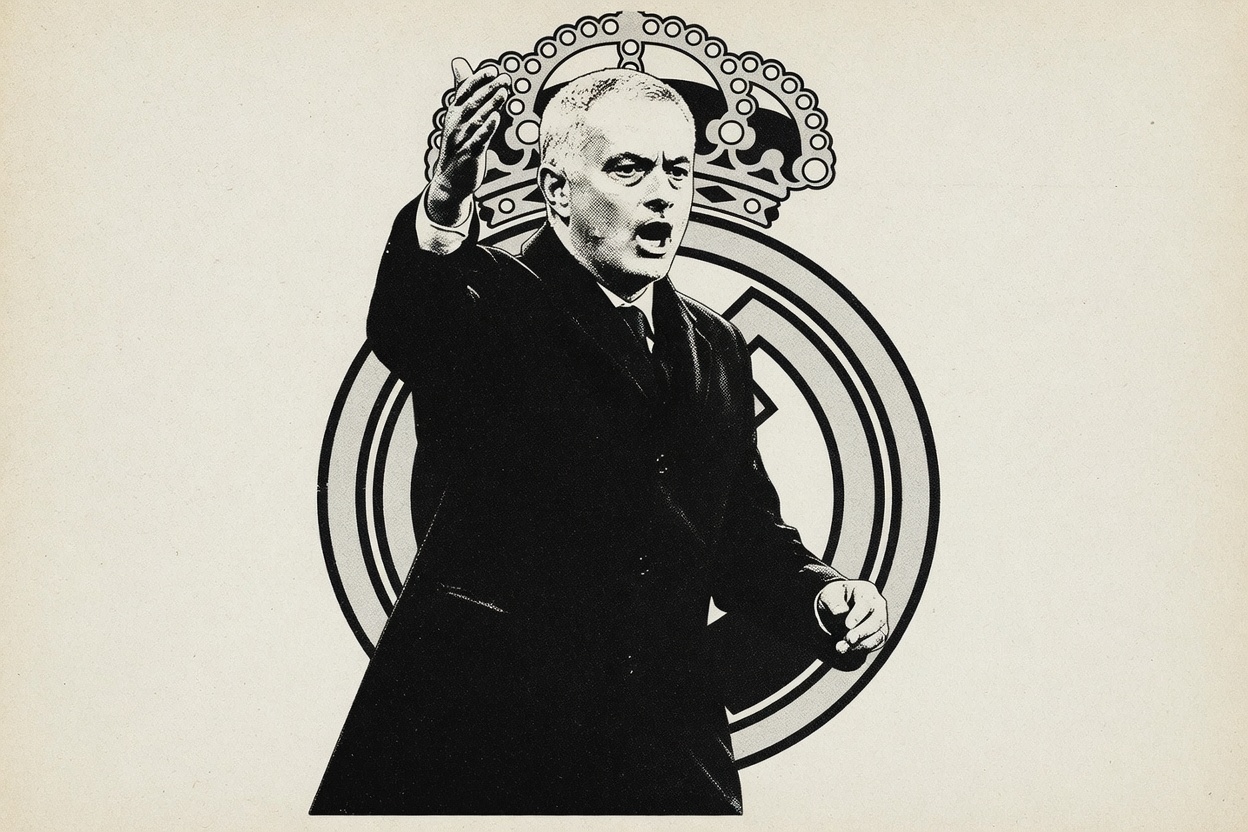
Real Madrid start their 2026-27 Champions League on Tuesday at the Santiago Bernabéu against Inter Milan, and José Mourinho will do it without three of his midfield options. Arda Güler, Eduardo Camavinga and Bernardo Silva are all suspended for the opener. None of them did anything wrong this season, for the simple reason that this season hadn't started yet.
That's the detail that matters. UEFA runs a clean-slate policy on yellow cards: whatever bookings you pile up in one campaign get wiped before the next. Reds are treated differently. A red-card suspension follows you across the summer, into the new season, and, as we'll get to, across a change of employer. So a competition that's happy to pretend your cautions never happened insists on remembering your sending-off down to the letter. Pick a lane.
How the three got here
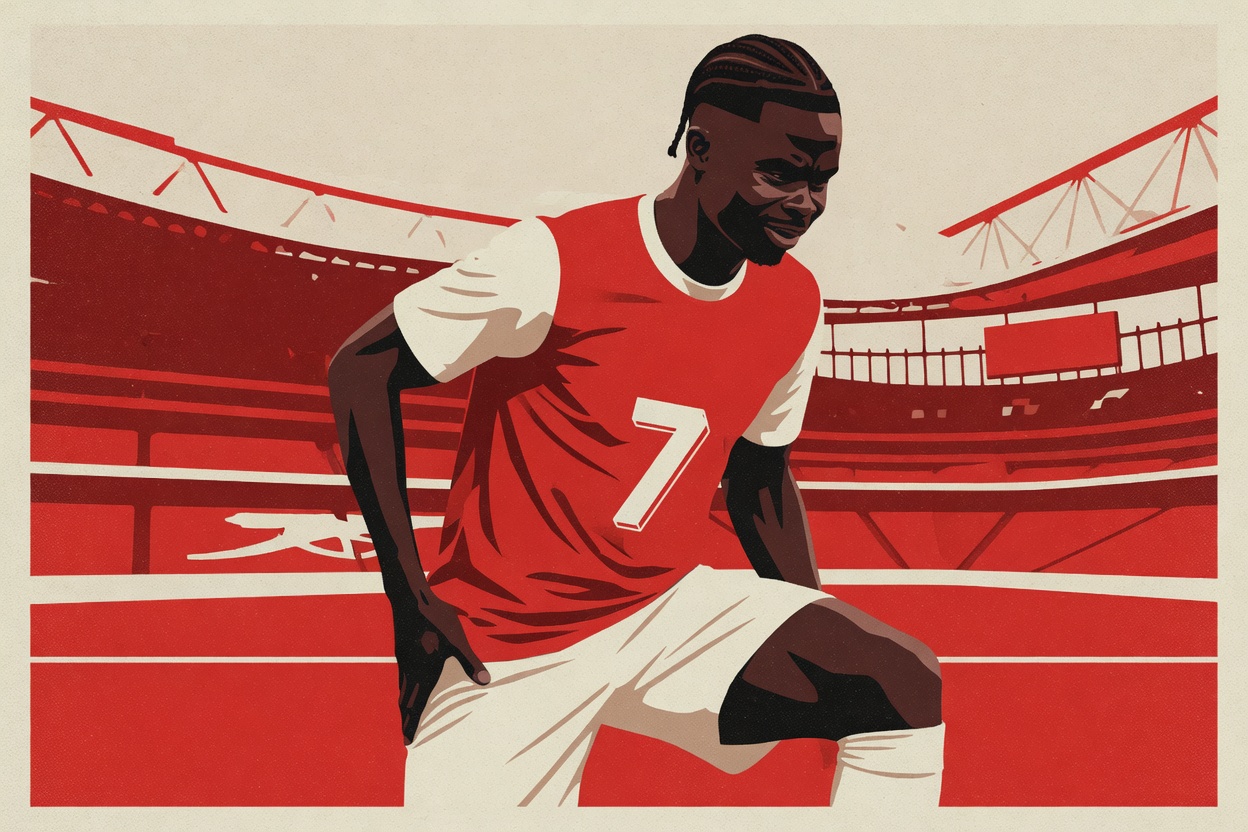
Güler and Camavinga were both dismissed for two yellows in the quarter-final second leg against Bayern Munich, the night Madrid lost 4-3 and went out. Güler's second booking reportedly came after the final whistle, for arguing with the referee. Camavinga's arrived in the closing stages. Both got the standard one-match ban. Fine. Those are Madrid's own players, sent off in Madrid's own defeat. You can at least trace the line from crime to punishment.
Bernardo Silva is where the logic falls apart. His red card came in the round of 16 second leg, a straight dismissal for deliberately handling the ball to stop a goal. He was playing for Manchester City at the time, against Real Madrid, and Vinícius Júnior converted the resulting penalty. Silva joined Real Madrid this summer. Now he's serving a suspension in Madrid's colors for a foul he committed against Madrid, in a different phase of the competition, wearing a different club's shirt. The ban outlasted the season and the transfer both.
My view: that's absurd, and it exposes the rule for what it is. A carryover ban is supposed to preserve some thread of accountability, the idea that you shouldn't be able to dodge a sanction just because your last game of the year happened to be the one you got sent off in. Fair enough in principle. But when the sanction outlives the context that gave it meaning, the club you offended, the season it belonged to, it stops being justice and starts being bookkeeping.
It's not only Madrid's problem
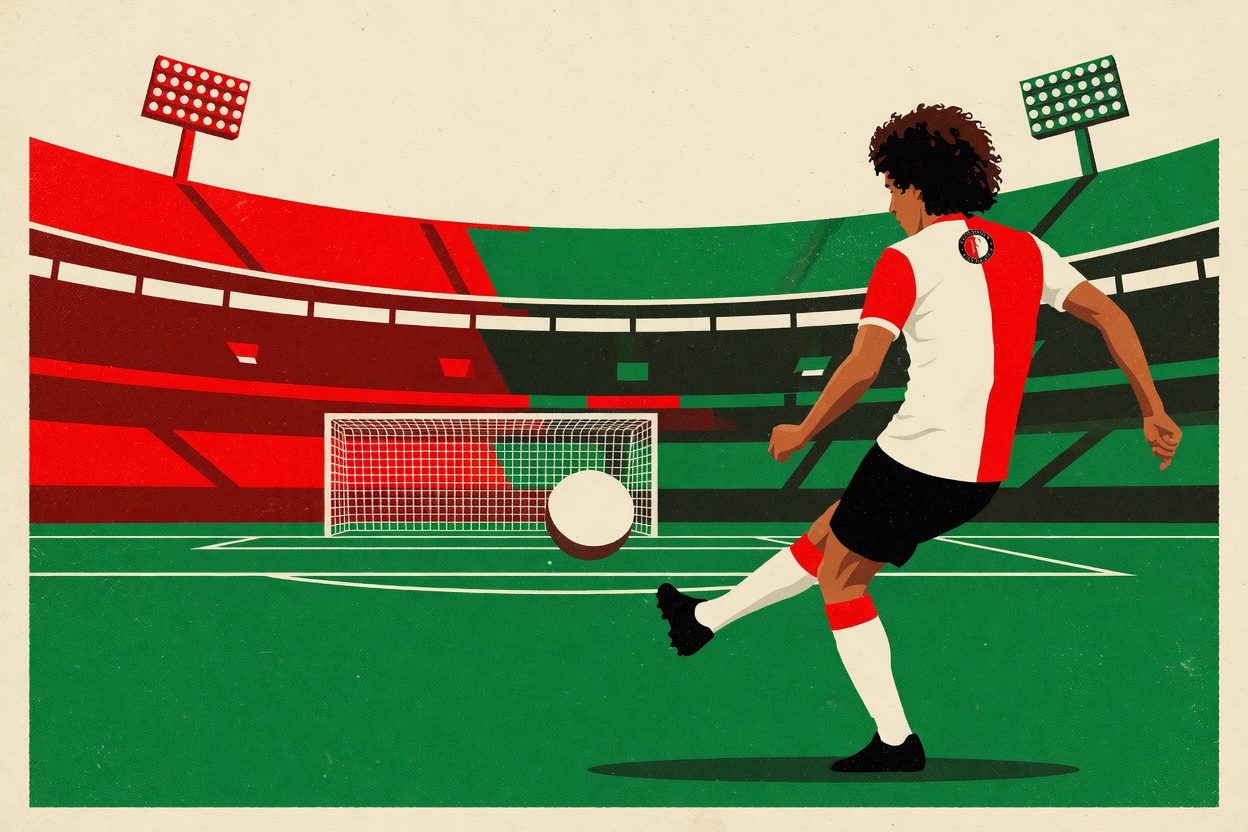
Before the league phase, UEFA's official records had eleven players suspended for matchday one, most of them for red cards picked up in the final European fixtures of last season across the Champions League, Europa League and Conference League. Barcelona open against Feyenoord without Eric Garcia, banned for a dismissal late in last season's quarter-final second leg against Atlético Madrid. Borussia Dortmund face Villarreal without Nico Schlotterbeck and Ramy Bensebaini, both sent off deep into stoppage time of their knockout-playoff exit to Atalanta.
And if you want the rule stretched to its breaking point, there's the reported case of Atlético's Arnau Ortiz, ruled out against Liverpool over two yellow cards he supposedly picked up in a Conference League qualifier back in August 2024, for a different club entirely. If that holds up, it's a suspension that's been sitting in a UEFA spreadsheet for roughly two years, waiting to be served, patient as a debt collector.
So no, Madrid aren't being singled out. The rule is applied evenly, and I'm not pretending otherwise. But even-handed and sensible aren't the same thing. What's specific to Madrid is the concentration: three players, all central-midfield bodies, gone at once, while most affected clubs are missing one. Barcelona and Atlético each lose a single name. Mourinho starts a brand-new era a full midfield short. Call it rotten luck compounded by a rule that had no business reaching this far, not persecution.
What reform would actually look like
The fix isn't complicated. Treat reds like yellows across the season boundary for anything short of the serious stuff, violent conduct, genuinely dangerous challenges, which should carry over and often carry more than one game anyway. A second yellow for time-wasting or mouthing off after the whistle, the exact category that has Güler sitting out Tuesday, doesn't need to haunt a player into the following autumn. And a ban should never follow a player through a transfer to be served against opponents he's since joined. Void it, or make him serve it at the club where he earned it. Both are cleaner than what happened to Silva.
UEFA, for the record, hasn't signaled any appetite to change this. There's no review, no working group, nothing. This is my argument, not a developing policy story. But a governing body that already accepts the clean-slate principle for yellows has conceded the philosophical point. It believes, at least half the time, that a new season should mean a fresh start. It just can't decide when.
Mourinho will reshuffle, because that's the job, and Madrid have enough talent that a patched midfield against Inter is hardly a death sentence. Set that aside. The real complaint is that a competition sold as the pinnacle of the sport shouldn't open its showpiece season by making three players pay for last spring, one of them for a shirt he doesn't even own anymore.