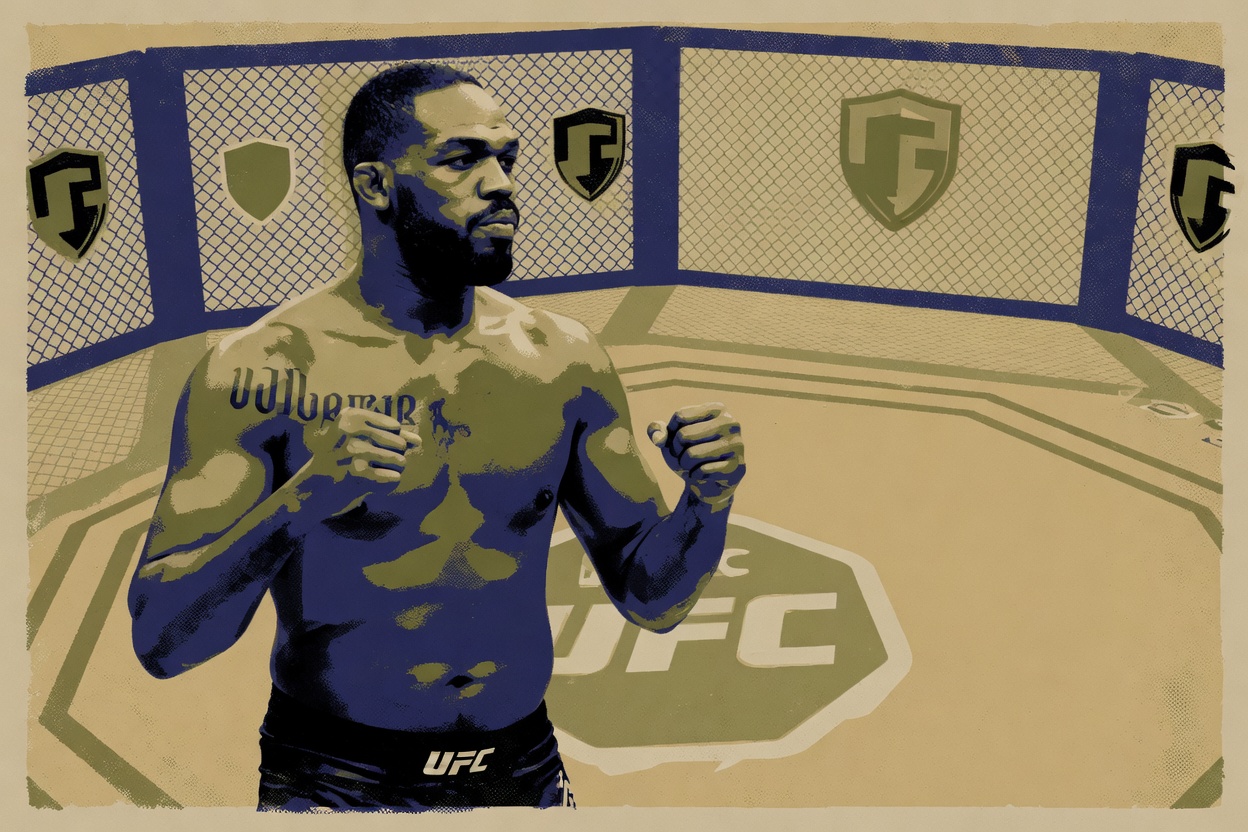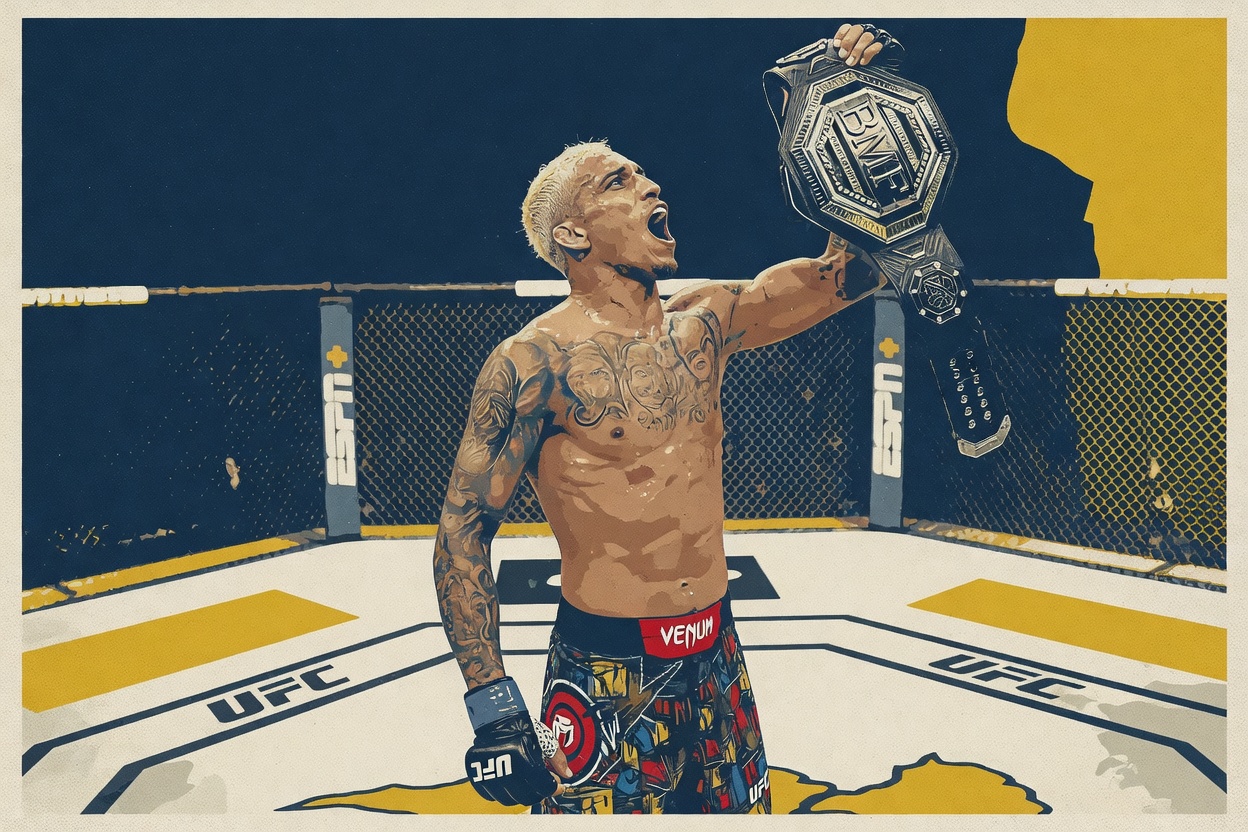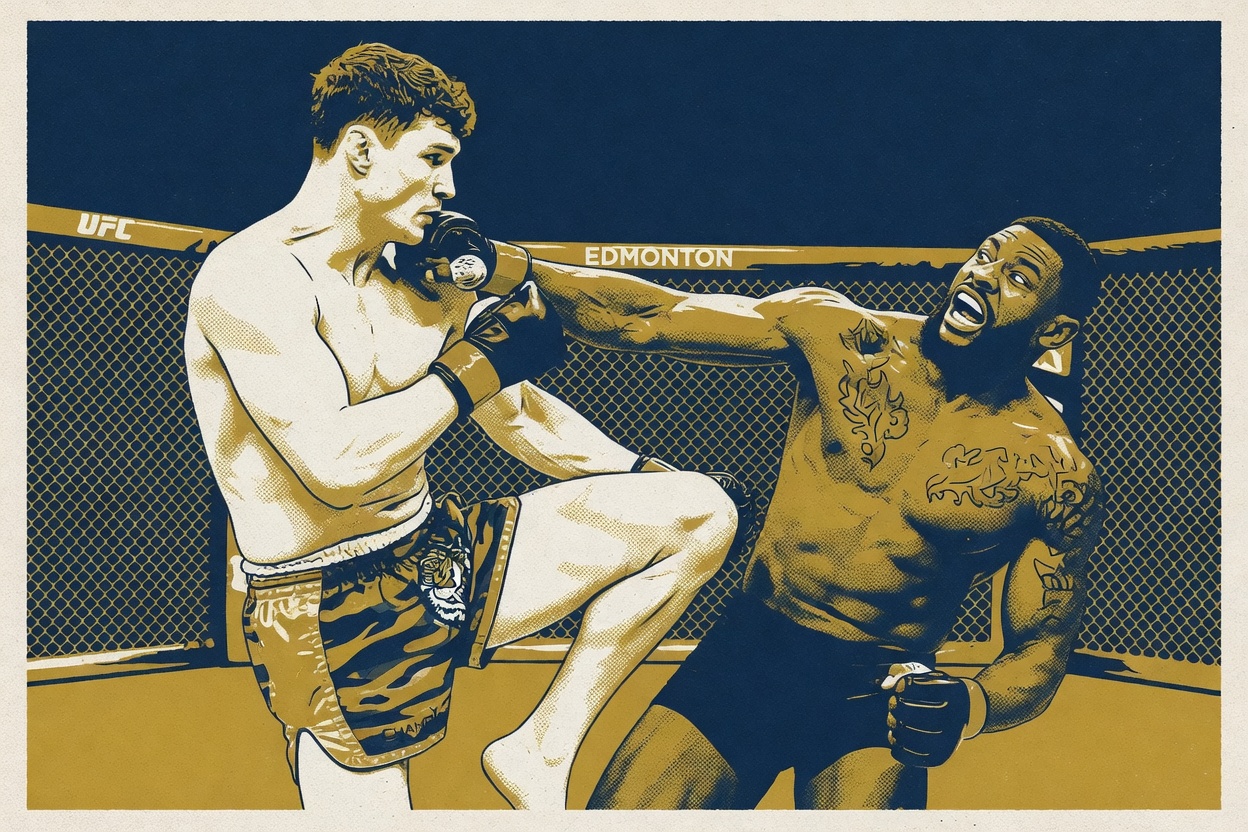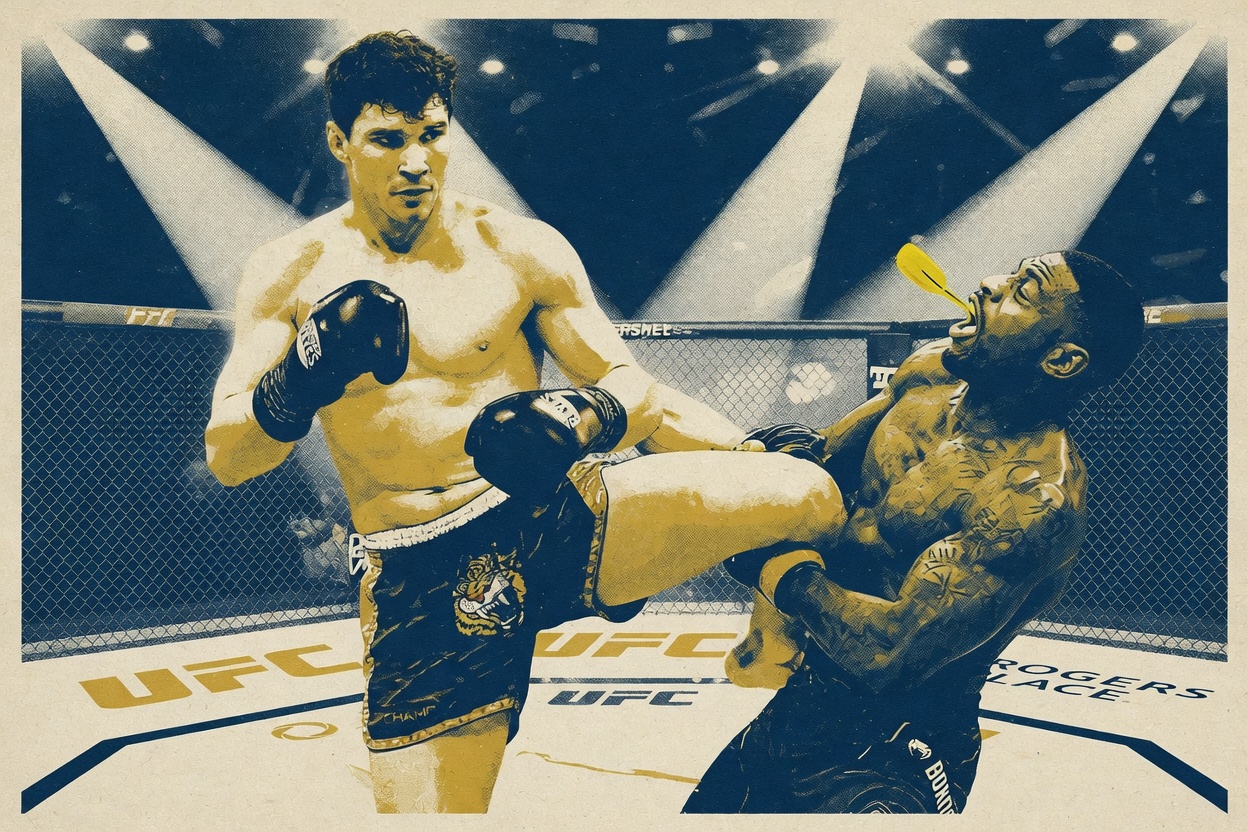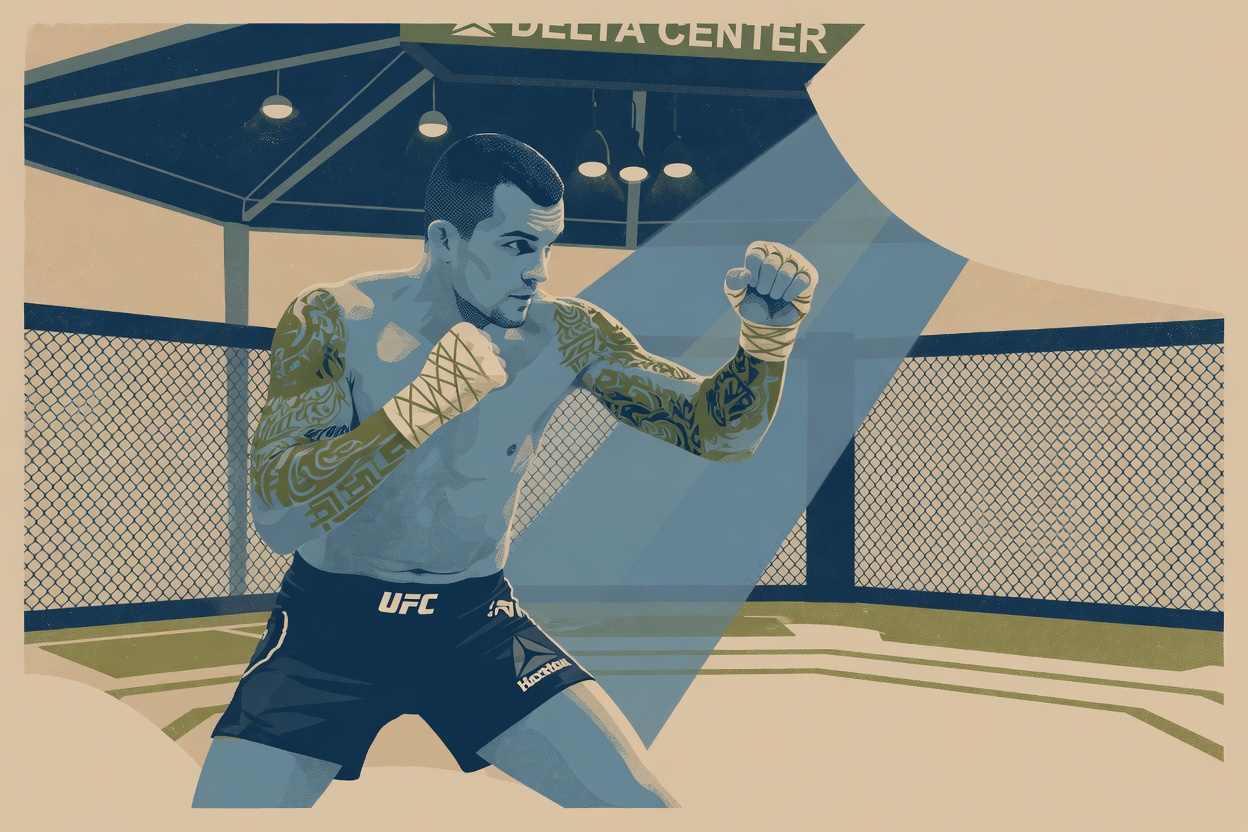
Roberto Soldic is a UFC fighter now, and the promotion is treating the arrival like a gift it always deserved. He signed a multi-fight contract, revealed on September 4 and announced during Saturday's UFC Fight Night 287 broadcast, and he goes straight into a main-card slot at UFC 332 on October 3 at the Delta Center in Salt Lake City, where he'll meet Khaos Williams at welterweight. No prelim tune-up, no easing in, just a marquee debut, as advertised.
The UFC could have had him years ago. The reason it didn't isn't complicated: Soldic didn't want to fight for entry-level money.
He said as much back when the UFC first came calling. He wasn't taking minimal pay just to end up waiting tables on weekends to fund his own training camps. So in 2022 he signed with ONE Championship instead, drawn by financial security and a chance to compete across kickboxing, Muay Thai and boxing. He'd looked at the numbers and decided the biggest brand in the sport wasn't paying enough to be worth leaving for.
This wasn't some unproven prospect holding out
Consider who was actually holding out. Soldic is 21-4 as a pro, with 18 of those wins by knockout. He's 4-0 in professional boxing, all four by knockout as well. He held both the welterweight and middleweight titles under the KSW banner. And in 2018, at KSW 45, he knocked out Dricus du Plessis, the same Du Plessis who later signed with the UFC and won the middleweight championship. Soldic went 1-1 with him overall, and the win came by knockout.
A man Soldic put to sleep went on to become a UFC world champion, while Soldic himself was being quoted a number that had him weighing whether to pick up shifts to pay for his own camp. A pay structure that can't tell the difference between a random entrant and a two-division champion with a finish over a future UFC titleholder is a design problem, not a Soldic problem.
The backdrop makes the standoff look reasonable
The pay gap here has been sitting in the public record for years, not just a fan grievance. Data unearthed during the antitrust lawsuit brought by former fighters put the UFC's share of revenue paid to fighters at around 20 percent, against roughly half in leagues like the NFL, NBA and MLB, and more recent analyses have put the UFC figure lower still. The company settled that decade-long antitrust case for $375 million in September 2024. And in 2026 the argument is very much alive: entry-level UFC fighters may still earn something in the neighborhood of $12,000 to show and $12,000 to win, and in March 2026 Ronda Rousey publicly criticized the UFC's business model, calling it one of the worst places for fighters chasing fair pay and long-term security. That's her opinion, not a company admission, but it lands in a debate that never really closed.
Soldic also isn't a one-off. Kickboxing champion Alex Vakhitov reportedly walked away from a UFC offer because, coming through the Contender Series pipeline, he couldn't negotiate above the standard contract. His team tried; the rules didn't bend. When proven combat-sports talent keeps looking at the octagon and choosing elsewhere over money, the common thread is the ladder they're all being asked to start on, not a run of stubborn athletes.
What the wait actually cost
The UFC's rigidity didn't save it anything. It just delayed a fighter it clearly wanted while some of his prime years slipped away elsewhere. Soldic made only three MMA appearances in ONE, going 1-1 with a no contest, before his contract expired earlier this year and left him a free agent. A marketable knockout artist spent years mostly on the sidelines because the two sides couldn't agree on a number the first time around.
And now the UFC gets to package the delay as excitement. Fine. The matchup is a good one, and to the promotion's credit it isn't a soft landing. Williams (16-5, 7-4 in the UFC) is a genuine finisher himself, a 32-year-old veteran of eleven UFC fights coming off a first-round knockout of Nikolay Veretennikov at UFC Fight Night 276 in May. The fight hasn't happened yet, and I wouldn't bet the house on either man surviving the first round. Both reportedly hope a win nudges them toward the welterweight rankings, though nothing there is guaranteed.
I won't attach the exact dollar figures that float around fan forums, since they've never been pinned to a clean, on-record quote, and the argument doesn't need them anyway. The confirmed version is damning enough on its own. A champion-level knockout artist told the sport's biggest promotion its entry pay wasn't worth uprooting his career for, went and proved his own point about opportunity elsewhere, and only landed in the octagon once he was a free agent negotiating from strength. The UFC finally got its man. It just paid for the wait in the one currency it always seems to have plenty of: time it didn't need to lose.