The best rookie in the National League in 2026 wasn't Sal Stewart, and twenty of the thirty writers who voted still gave him the award. The gap was too wide to be settled by park factor or some defensive metric nobody trusts. Baseball-Reference had JJ Wetherholt at 4.5 wins above replacement and Carson Benge at 4.3. Stewart sat at 1.8. The BBWAA looked at a nearly three-win gap between first and third and handed the trophy to third.
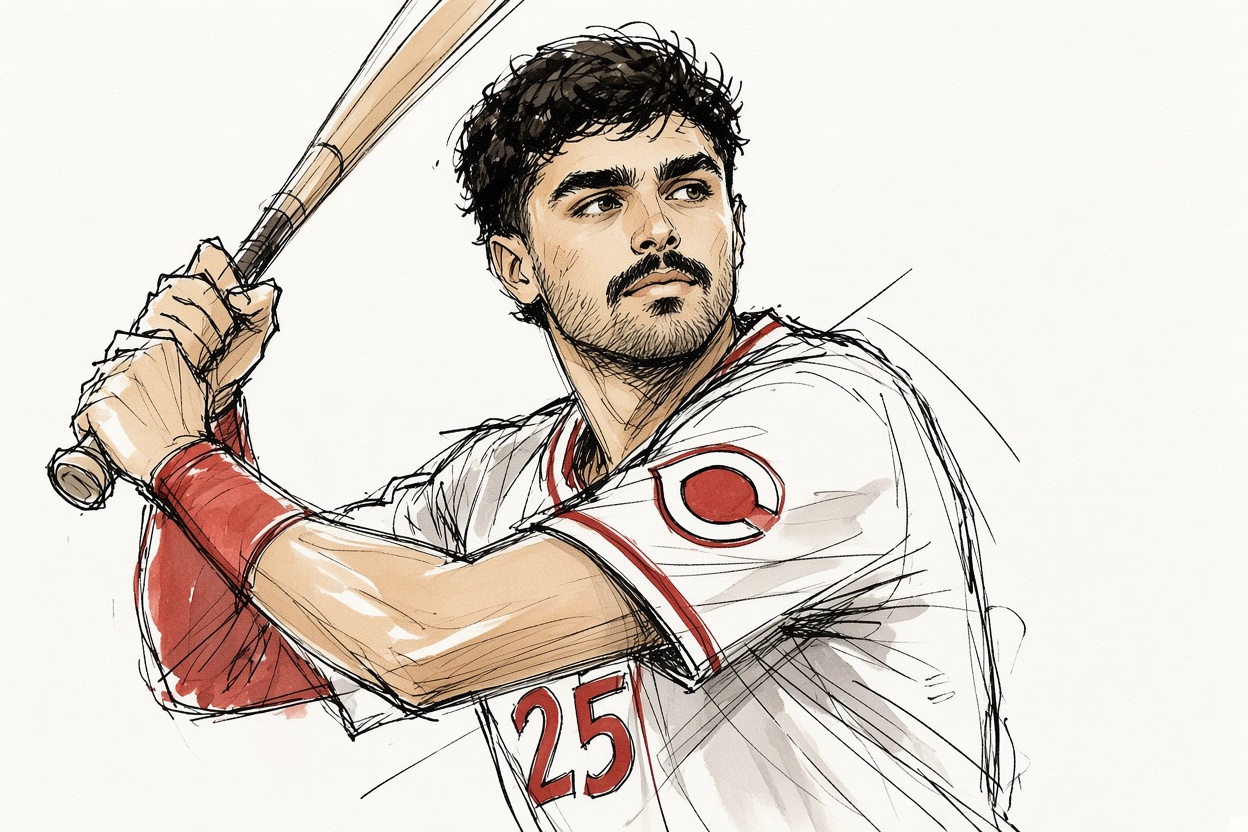
What Stewart did was genuinely good. He was a 22-year-old first baseman who played all 162 Reds games, hit .263 with a .787 OPS, and drove in 112 runs with 32 home runs. That's the 14th time since 1920 a rookie has cleared 30 homers and 100 RBI, and the first since Pete Alonso in 2019. He set the Reds' rookie RBI record and became the only Cincinnati rookie ever to pair 30 homers with 100 RBI. Those are real accomplishments.
Rookie of the Year asks who the best rookie was. The voters answered who had the stat line that looks best on a highlight graphic. Stewart's 1.8 bWAR is the lowest for a Rookie of the Year winner in a full 162-game season since Chris Coghlan in 2009, and his 2.0 fWAR is the lowest since Jeremy Hellickson in 2011. When your winner lands at the bottom of a list that spans more than a decade, the burden is on you to explain why everyone measuring value was wrong. The voters never did.
Stewart played all 162 games while Wetherholt's season was wrecked by injury. He got into 139 games and hit just .242. There's something to durability that WAR undersells. Show up every day and you help your team more than the guy in the training room. But durability is a floor, and it doesn't erase the two things the voters chose to ignore. Stewart was the worst defender and the worst baserunner of the three finalists, and it wasn't close. Benge hit .282 with a better on-base number and an OPS+ one tick ahead of Stewart's, so even the bat, the thing Stewart supposedly won on, was essentially a push. The difference between these players was glove and legs, and Stewart lost that comparison badly.
The counting stats did all the talking. Home runs and RBI look enormous on a page and they flatter a player in a lineup that feeds him runners. They don't tell you he was the best rookie. A relief pitcher in Atlanta, Didier Fuentes, who finished eighth in the voting and was never part of this conversation, out-earned Stewart on Baseball-Reference's WAR. When your trophy winner trails an eighth-place reliever in value, something in the process is broken.
The BBWAA has done this before. It did it with Coghlan's .321 average and 1.1 WAR in 2009. It did it decades earlier with Ken Hubbs, who won in 1962 on a 0.0 WAR season and an OPS+ in the high 60s. The names change, the mistake repeats: reward the line that plays well in the recap over the player who actually moved the needle.
Wetherholt or Benge should have won this. The twenty writers who put Stewart first saw 32 and 112, nodded, and stopped reading. They had the rest of the record in front of them, and they chose not to count it.