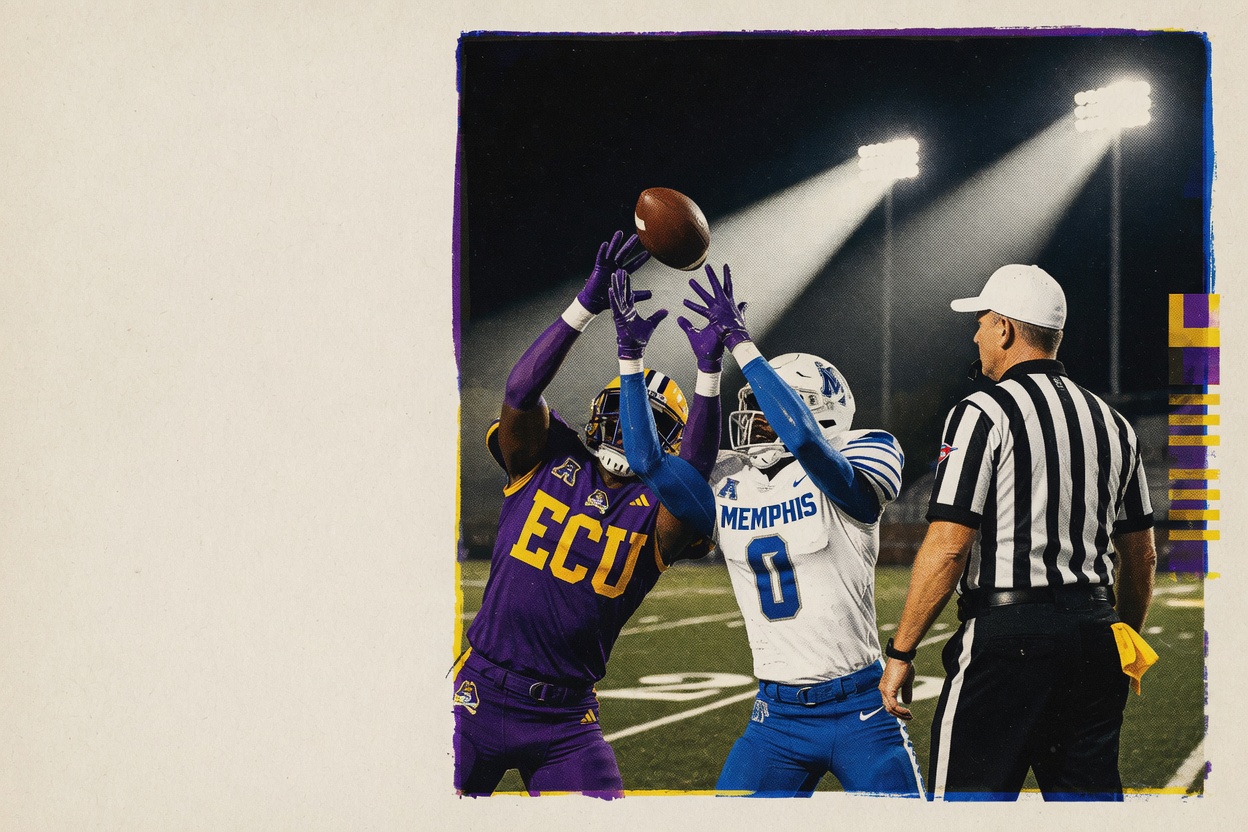
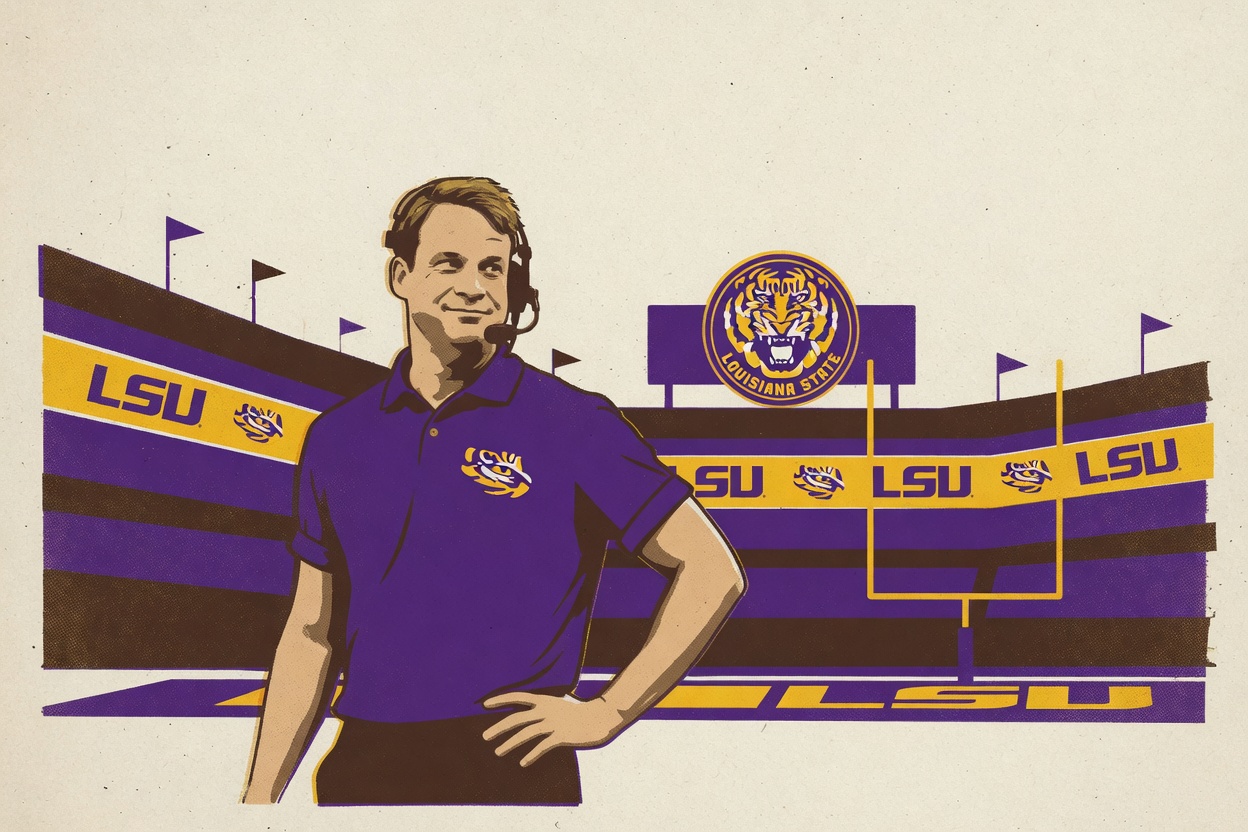
Conferences don't usually put a match to their own foundations to make a point. The SEC is about to.
As of September 9, 2026, the league's presidents are scheduled to meet Thursday to decide whether to terminate LSU as a member institution, acting under Section 3.1.5 of the SEC Constitution and Bylaws. This comes after the SEC filed an amendment Tuesday to its federal lawsuit against LSU, Lane Kiffin, and school officials, seeking the authority to expel the Tigers outright. It would take some effort to invent a more extreme sanction than expelling a member outright.
The reporting so far suggests this probably won't happen. Expelling a school requires a vote of at least two-thirds of all the presidents, and the expectation across most coverage is that the SEC won't actually take that step. Lesser penalties, like probation, are reportedly still on the table. So treat the outcome itself as an open question. The threat, not the verdict, is the story, and pointing a gun you don't intend to fire only makes sense when you're worried the other side has stopped listening.
What actually lit the fuse
Strip away the constitutional language and this is a roster dispute. The original suit, filed the week before the expulsion threat, centered on LSU and Kiffin trying to bring back players who had already been on NFL rosters and in training camps. The SEC's complaint accused the defendants of a "deliberate and coordinated campaign to recruit professional athletes to play football for LSU during the 2026-27 season, including players who had signed NFL contracts with the Cleveland Browns, New Orleans Saints and Tampa Bay Buccaneers." The league says this defies its longstanding "Professionalism Rules," which bar anyone who has signed a pro contract or appeared on a pro roster from returning to college competition.
The players involved include former Ole Miss players Zxavian Harris and Dae'Quan Wright, both of whom played for Kiffin before he took the LSU job, and former Florida and LSU player Jack Pyburn. In the amended complaint, the SEC's own lawyers accused LSU of a "demonstrated lack of institutional control at the university level," including what they called a "complete lack of control over Coach Kiffin's actions."
So the SEC isn't really arguing about two or three depth-chart additions. It's arguing that a member school has decided the conference no longer gets to set the rules, a bigger problem for a commissioner than a lost recruit.
Why the panic makes sense
College football spent the last few years watching its old machinery come apart. Amateurism is gone. NIL money moves like free agency. The House settlement now caps rosters at 105 scholarship spots and dictates that only athletes already enrolled can be added after a program sends its roster to the league office. Into that vacuum walks a coach willing to test whether "pro contract" is really a hard line or just a suggestion the SEC can no longer enforce.
The enforcement question is genuinely unsettled. This is a multi-front legal war, not a tidy governance matter. A Louisiana judge granted LSU a temporary restraining order in August that blocks the SEC and NCAA from punishing the school over the players in question. On the same morning Greg Sankey spent more than three hours testifying in a Baton Rouge courtroom in that state case, the SEC was filing its federal suit in Alabama, seeking an injunction that would let it punish LSU if the school crossed the pro-player ban. When your rulebook needs a federal judge to make it real, your rulebook has a problem.
That's the context for the expulsion threat. The SEC isn't confident it can win the small fight, so it escalated to the biggest one available, betting that the mere possibility of expelling a member school forces everyone back to the table.
The part LSU seems to grasp
There's a wrinkle that makes the SEC's saber-rattling look even more like theater. When Friday's deadline arrived to submit the Week 1 roster, Kiffin didn't roster Harris or Wright at all. LSU then beat Clemson 51-10, leading 31-3 at the half. Kiffin fought in court, won a restraining order, and left the disputed players in street clothes anyway.
That's its own kind of message. Kiffin got to prove the rule is contestable without ever needing to break it on the field. His halftime crack, "Imagine if we had pro players," ended up quoted in the SEC's amended complaint, which is a small masterpiece of trolling: he made the conference put his own joke into a federal filing. Asked about the noise, Kiffin shrugged that "Everybody hates you. They can't hate you much more."
That's a coach who knows the leverage has shifted, and the SEC knows it too, which is why it's behaving like an institution that fears its own authority is negotiable.
The take
Whether or not two-thirds of the presidents ever raise their hands against LSU, the vote itself is the tell. Leagues secure in their power don't threaten to dissolve their own history over a roster form. They quietly enforce a rule and move on. The SEC couldn't do that, so it reached for the one weapon big enough to scare everybody, including, maybe, itself.
If LSU walks away Thursday with probation or nothing at all, don't read that as the SEC winning. Read it as the SEC discovering that in the pro-contract era of college football, even the nuclear option might not be enough to make a member fall in line.