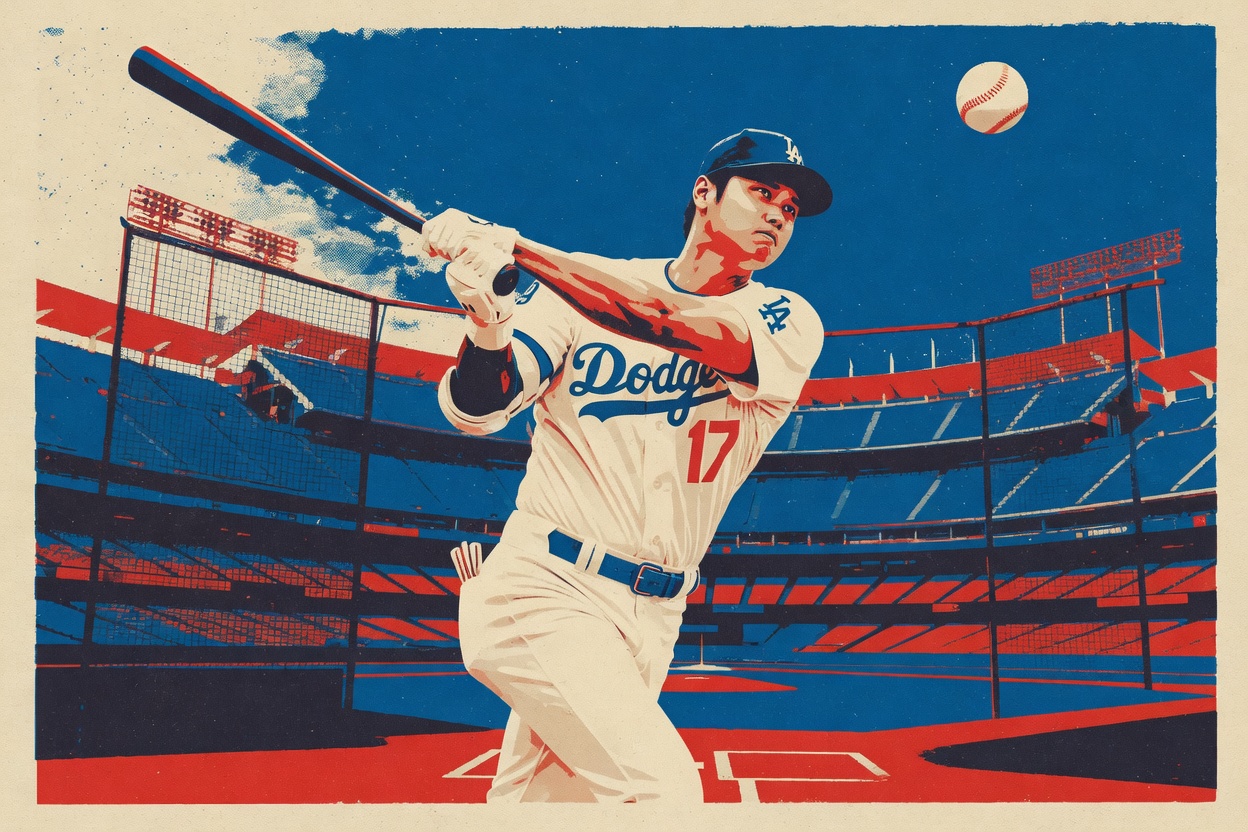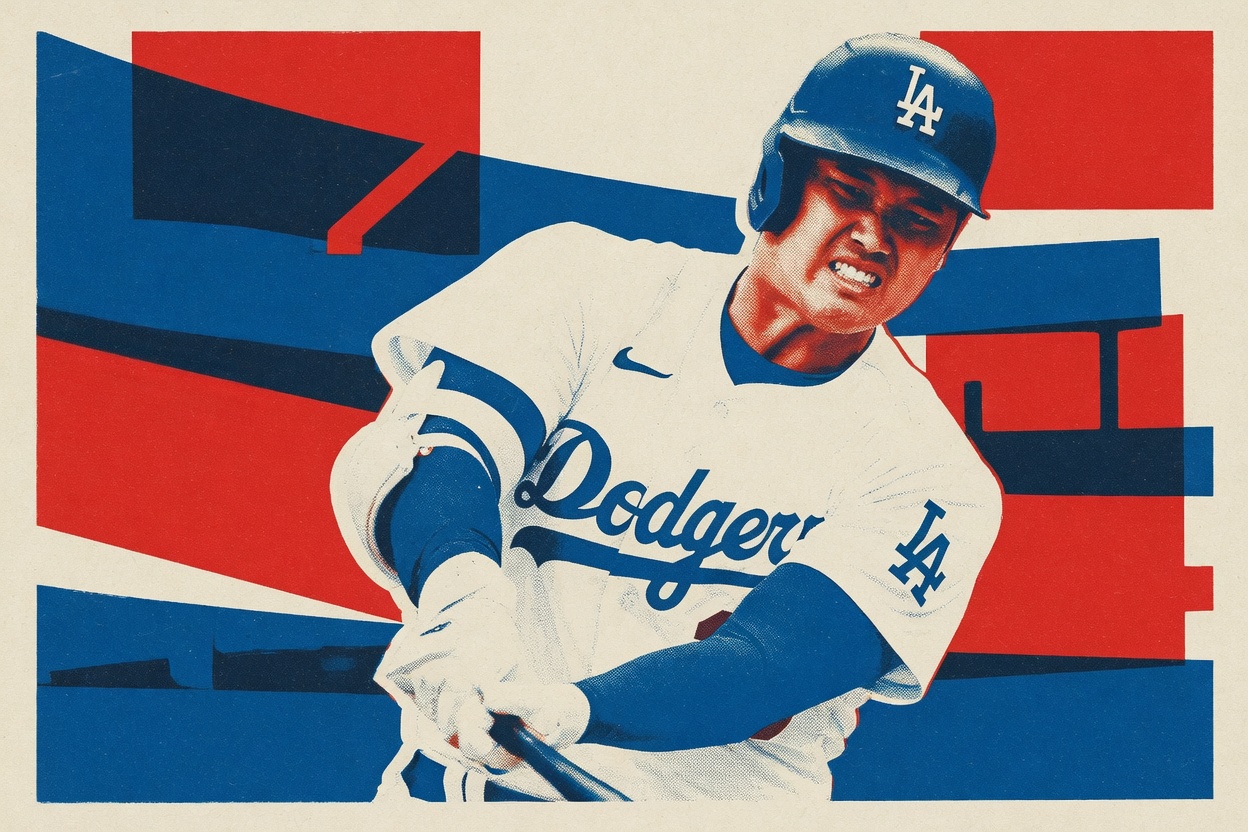


Here's the uncomfortable version of the Shohei Ohtani situation, the one that doesn't fit on a highlight package. The best player in baseball is hurting in more than one place. None of the injuries seem connected. And the team built around him is good enough that none of it has to be a crisis. That's exactly why the Dodgers should get ahead of this now instead of crossing their fingers into October.
Start with Wednesday night. Ohtani struck out four times in a 10-inning, 8-6 loss to the Cardinals, and by most accounts this wasn't a normal bad night at the plate. He shook out his right arm, winced repeatedly, and looked compromised in his lower body when he swung. Dave Roberts didn't wait for a meeting. He texted Ohtani after the game to tell him he wouldn't start the finale. Ohtani sent back an emoji salute, and Roberts summed it up simply: "He knows that it was the right decision."
Three problems, not one
The temptation is to file all of this under "the knee," since the knee has been the running story of Ohtani's summer. Resist that. Roberts was clear the biceps and neck bothered Ohtani most against St. Louis, and that the neck is a new issue. His description of the mechanics was vivid: "That's why I think you saw some grimacing and some kind of shaking of the arm, just trying to get it to fire, and he couldn't do that."
The knee is its own, older saga. Ohtani hasn't pitched since July 3 against San Diego, when he threw six innings and a season-high 110 pitches, the most he'd thrown in a game as a Dodger, before getting pulled from the rotation indefinitely with left knee trouble. He got an Orthovisc injection over the All-Star break, missed the All-Star Game, had a setback after a bullpen in late July, and as of Aug. 29 the momentum toward his return had stalled. He threw a 20-pitch bullpen on Aug. 28 and was scratched from a possible Detroit start two days later.
So the honest accounting: a right biceps that's been flagged alongside the knee, a knee that's kept him off the mound for two months, and now a neck that just entered the conversation. The team is describing them as distinct, which is meant to sound reassuring. To me it's the opposite. One nagging injury is a rehab plan. Three unrelated ones, stacked on a body that carries a two-way workload nobody else in the sport even attempts, is a body waving a flag.
The bat was already going the wrong way
Strip out the injuries and the offense had cooled well before Wednesday. As of the Sept. 2-3 reporting, Ohtani was 7-for-51 with 20 strikeouts since Aug. 18. His average had slid to .280 by Aug. 31, the lowest it had been since late May, and was still down around .279 by Sept. 3, after four straight strikeouts, the first time that had happened to him this season. It's a rolling, worsening trend, not a one-game blip. Roberts said flatly, "Obviously, we still got to get Shohei on track."
It's not the first dead patch of his year, either. Back in mid-May he was sitting on seven homers, six steals, and a .265 average, cold enough that the Dodgers were already resting him regularly. That earlier stretch matters, because it means the "just push through it" instinct has a track record this season, and it's a track record of rest working. This is the second time in one year they've had to manage his mileage. That's worth trusting.
They can afford it, which is the whole argument
This is where the standings do the heavy lifting. The Dodgers entered September at roughly 82-57, comfortably atop the NL West. Even with down years from Mookie Betts, Kyle Tucker and Teoscar Hernández, the lineup still ranked second in the league in OPS+ and fourth in runs per game. The postseason rotation, headed by Yoshinobu Yamamoto, Tarik Skubal, Blake Snell and Tyler Glasnow, doesn't need Ohtani on the mound to be terrifying. The cushion is real, and so is the safety net.
So what's the upside of running him out there day after day right now? A few extra hits toward a division that's essentially theirs already? The Dodgers aren't fighting for their lives in a wild-card scramble. They're managing an asset toward the only games that will actually decide their season. When you already have the lead and the depth, the right move with a slumping, three-times-dinged superstar is to buy him downtime, not see if he can grind through games that don't move the needle.
The reporting acknowledges an IL stint isn't off the table, and Roberts said he'd talk with Ohtani and the trainers before deciding his status for Friday against Washington. My take: they should be even more aggressive than day-to-day. Build in real stretches of rest over the final weeks, treat the neck and biceps as reasons to sit rather than things to monitor, and accept that a fresher Ohtani in October is worth more than a present one in September.
The nightmare scenario isn't Ohtani missing a handful of meaningless late-season starts. It's Ohtani limping into a division series at half capacity because nobody wanted to be the one who sat him. The Dodgers have earned the luxury of protecting him. They should spend it.