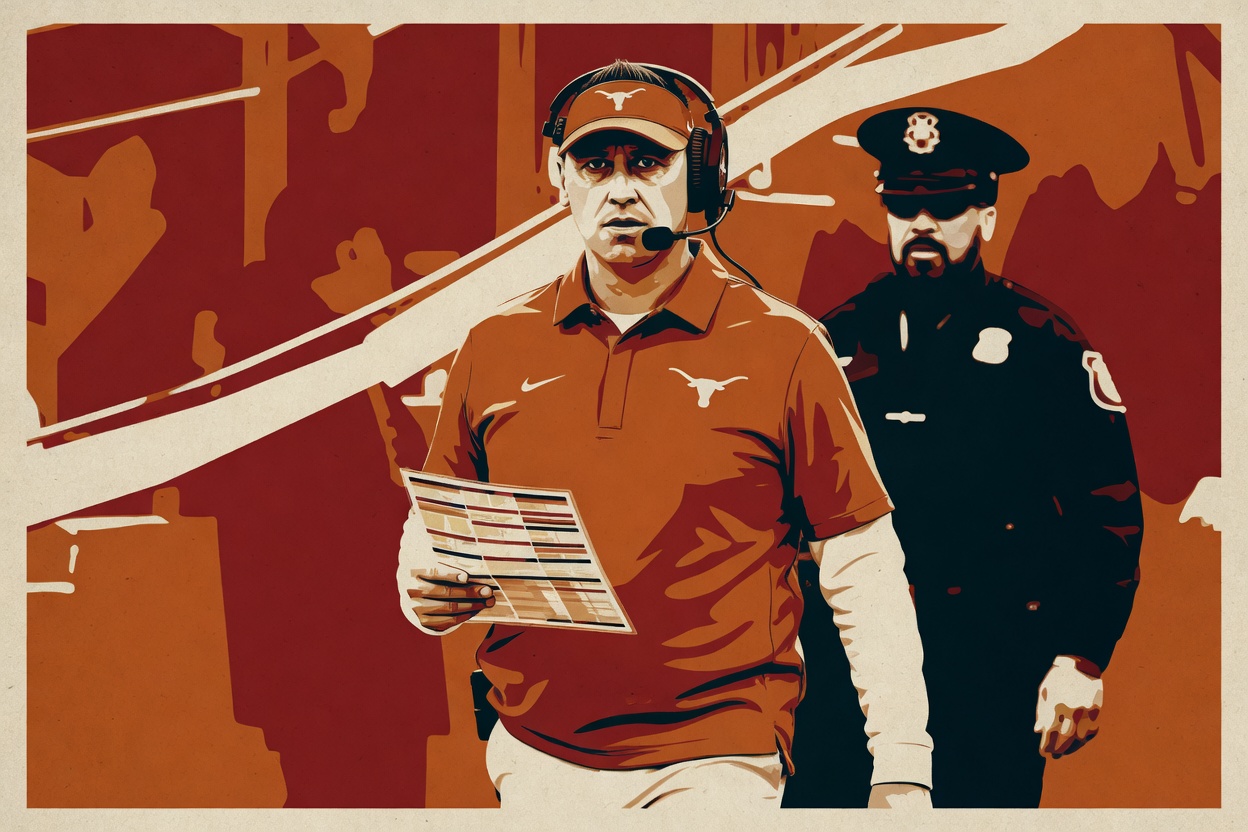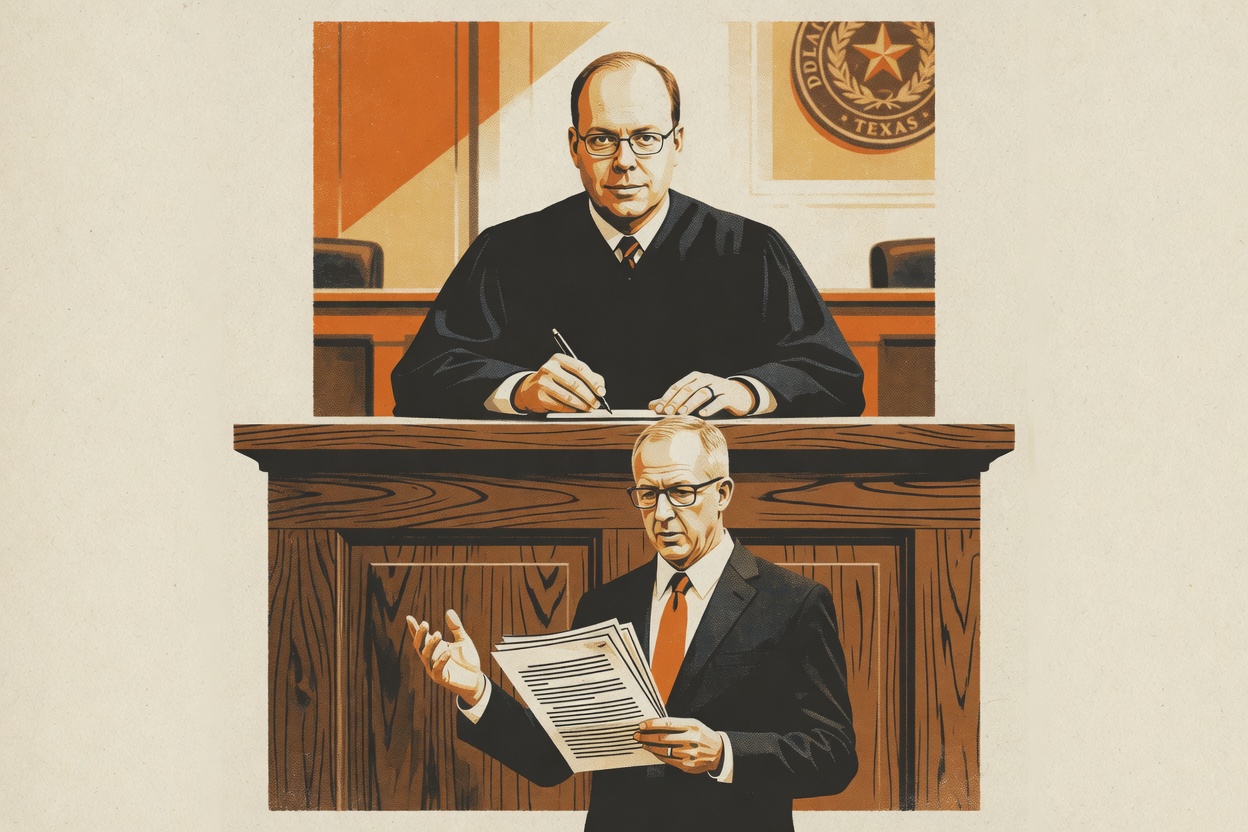
The sequence moved fast, because the conferences wanted it that way. On Tuesday, the SEC passed a rule barring players from coming back to the league after turning pro. Two days later, on Thursday, August 27, a Dallas County judge put that rule on hold. District Judge Martin Hoffman issued a temporary restraining order stopping the NCAA, the SEC, and commissioner Greg Sankey from blocking 41 athletes from returning to college sports for the 2026-27 season.
Rules don't usually run into a courtroom wall this fast. This one did, and the reason is worth digging into.
Built for speed, not for scrutiny
The Big Ten went first, adopting its version on Tuesday by unanimous vote, though it covered only football at that stage, with other sports still under evaluation. The SEC followed the same day, handing Sankey what one description called "full and unlimited authority," including the power to suspend a school from competition. The Big 12 fell in line. The ACC's board of directors unanimously adopted its own resolution on Thursday, the last of the four to join in.
Four leagues, four nearly identical bans, inside roughly 72 hours. That's unusual coordination for schools that spend the rest of the year fighting each other over recruits, TV money, and playoff spots. The speed is the problem. You don't push a policy this big through four boardrooms in three days unless you're reacting to something. They were.
The thing they were reacting to
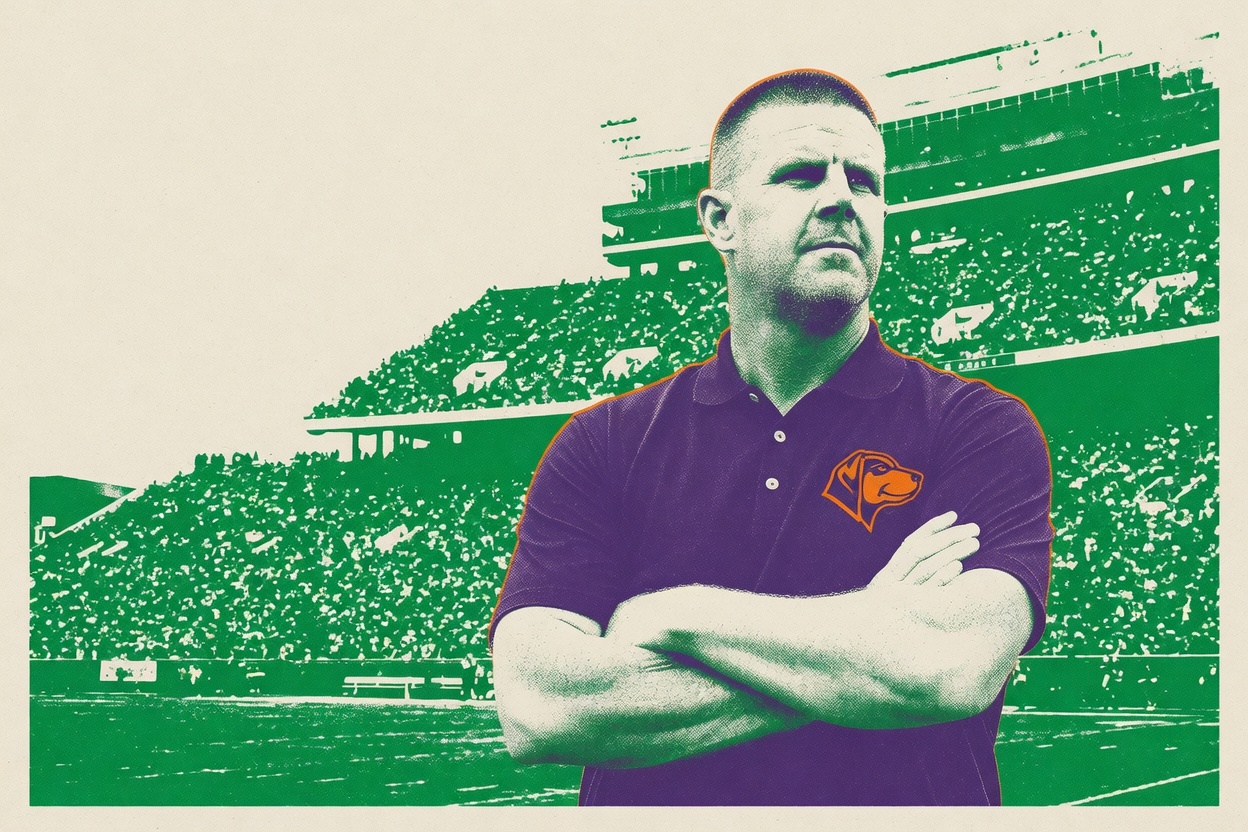
The trigger has a name, and it's in their own conference. A judge in East Baton Rouge signed a restraining order that opened the door for tight end Dae'Quan Wright, who had been on the Cleveland Browns, and defensive lineman Zxavian Harris, who had been with the New Orleans Saints, to leave NFL rosters and aim for Lane Kiffin's LSU program. A basketball case ran alongside it: RJ Luis Jr., who held a two-way NBA contract with the Utah Jazz, won a preliminary injunction on August 24. The SEC voted the next day to shut the door.
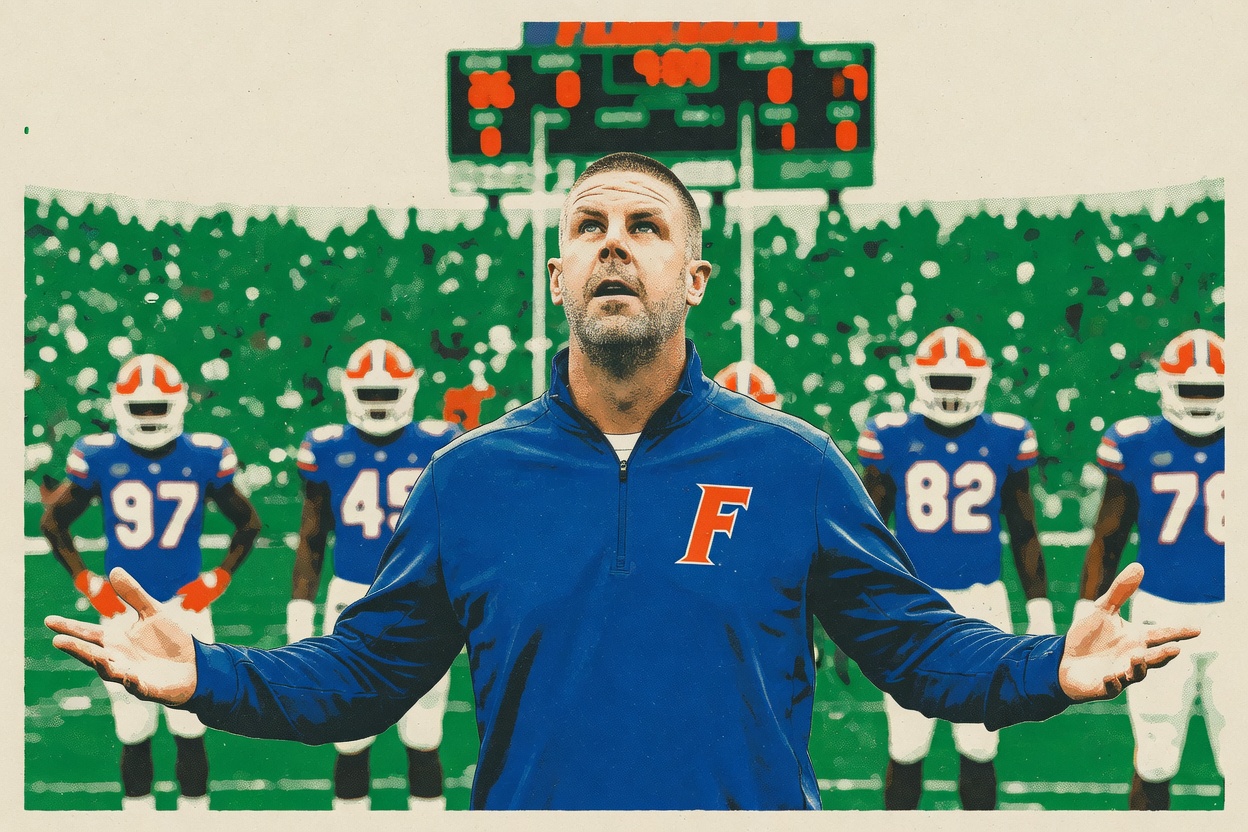
So one of the league's marquee programs was actively signing former pros while the conference scrambled to make that illegal. When a member school is the reason you're writing the rule, and that member abstained on the sanctions vote (15 of 16 SEC schools backed the penalties, LSU sitting it out), that's not a calm, unified process. That's a conference patching a leak while the water keeps rising.
The penalties are the tell
Look at how hard the SEC swung. Its structure reportedly includes a half-season coach suspension and a fine equal to 50 percent of that sport's operating budget, with additional authority for Sankey to layer on more as needed. That's not a measured deterrent, it's an attempt to make an example loud enough that nobody tests it.
Hoffman tested it anyway, and he did it on eligibility grounds rather than on the pro contracts. "As long as they would have been eligible to continue playing college sports in the following semester if they had a fifth year of eligibility, they are eligible today," he wrote. The order also appears to be the first to block a conference specifically from punishing schools for signing these players. Courts have picked at NCAA eligibility bylaws for years. This one went straight at conference-level enforcement, and that's new.
The antitrust question nobody at the table wants asked
This next part is my take, not settled law. Five leagues adopting matching bans within three days, some of them explicitly pointing at what the others just did, is precisely the kind of parallel behavior that invites an antitrust look. Rick Karcher, a faculty athletics representative at Eastern Michigan and a former sports-law attorney, is skeptical the athletes get anywhere: "I think where this case is headed is nowhere," he said. "From an antitrust perspective, as long as conferences aren't colluding, they can make their own rules about allowing, or not allowing, former professional players to compete."
Fair enough. But the caveat matters: as long as conferences aren't colluding. The whole defense hangs on that word. When four ostensibly independent competitors write functionally the same restriction on player movement in the same window, a plaintiff's lawyer doesn't have to squint hard to build a theory. I'm not saying it wins. I'm saying the conferences handed the argument a lot of raw material by moving in lockstep.
Darren Heitner, who represents Wright, put the blame upstream: "These athletes generated value under the prior framework and should not be denied the additional year the NCAA itself created for others," he said. "Roster and portal management gets messy for schools, but that is a problem of the NCAA's own making." He has a point about the origin. The NCAA rolled out a rule letting incoming athletes compete for five seasons in a five-year window, and it doesn't retroactively cover players who exhausted their fourth year last spring. That gap is why lawsuits are stacking up across the country.
What this is, and what it isn't
A few honest limits. Hoffman's order is temporary. As of this writing, a follow-up hearing is set for September 11, and the TRO could be narrowed, extended, or thrown out entirely there. This is a first-round setback for the SEC, not a verdict on whether conferences can govern themselves. The plaintiffs' side is also opening more fronts, with lawyers planning to amend the Louisiana case to target the conference-level ban directly. The Dallas suit is the first to challenge the NCAA and SEC together. It won't be the last.
And LSU remains the live wire. Signing a former pro doesn't itself break the SEC's rule, but putting him on the final roster would, and rosters aren't locked until the day before the first game. So the sharpest test of all this is still coming: a member school deciding whether to defy a conference rule that's barely a week old.
Closing the loophole was a defensible instinct. College rosters shouldn't quietly become a soft landing for players cycling out of pro leagues, and reasonable people can want that door shut. But wanting the outcome doesn't excuse the process. The conferences skipped the slow, careful, litigation-proof version and reached for the fast, punitive one, and the first judge to look at it pulled them off the field within 48 hours. September 11 will say more. For now, the speed that was supposed to look decisive just looks exposed.