A two-game ban only means something once you check which two games.
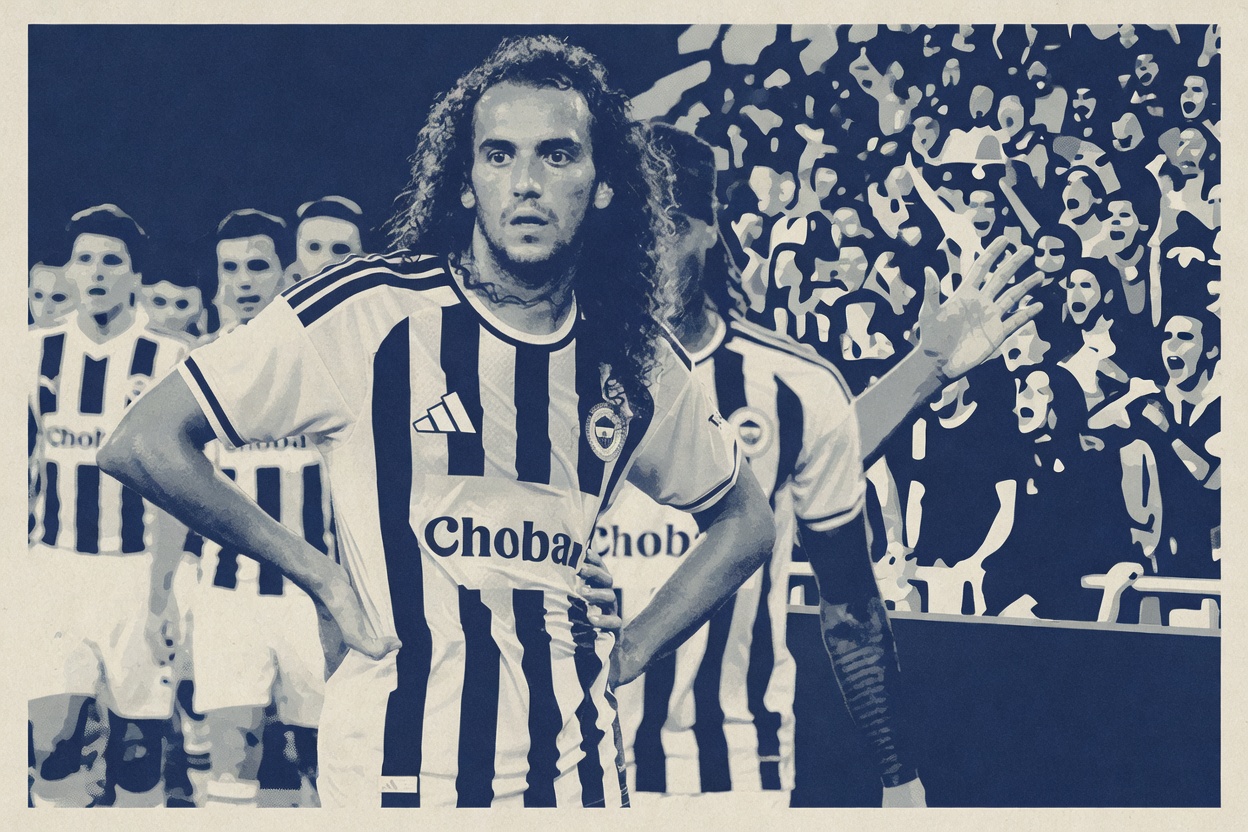
UEFA suspended Matteo Guendouzi from Fenerbahce's first two Champions League matches over his conduct in the playoff win at Lyon. On paper it looks like a real sanction: he was at the center of ugly scenes before and after the 2-1 win on August 26 that put the Turkish club into the Champions League for the first time in 18 years, raising his middle fingers at Lyon fans during the warmup and again after the final whistle, shouting "Allez l'OM," grabbing his crotch in the post-match chaos while a mass brawl broke out around him. UEFA charged him with violating the rules of decent conduct, insulting others at the match, and provoking spectators, then fined him 50,000 euros.
Now look at the fixture list, because that's where the punishment loses its teeth.
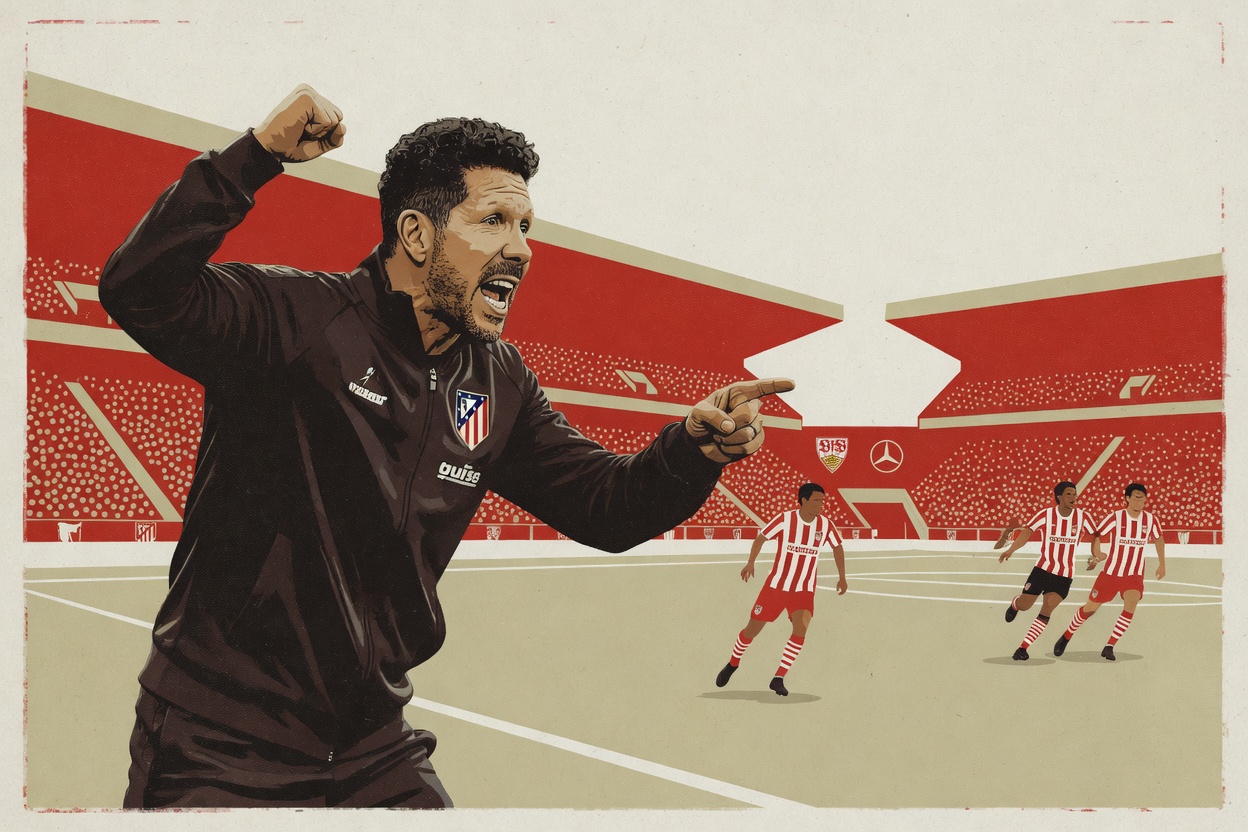
Guendouzi misses Fenerbahce hosting Roma on September 10 and the trip to Aston Villa on October 14, Matchdays 1 and 2. After that he's free: available when Fenerbahce host Liverpool on November 4, available when they travel to Atletico Madrid in late January. The nights that will actually define Fenerbahce's return to Europe's top table, the ones the club has waited nearly two decades for, arrive with a full midfield. The ban lands on the games nobody outside Istanbul will remember by spring.
I'm not arguing UEFA sat down and mapped this out to spare Fenerbahce their glamour nights. Matchday numbering isn't a conspiracy. The suspension is a fixed number of games, and those games happened to be Roma and Villa: a scheduling accident, not a scandal. But the accident exposes something real about how these sanctions work. A fixed count of matches punishes players unevenly depending on who they'd have faced, and here the count runs out just as the stakes climb.
The two-game headline also undersells how soft the immediate hit really is. Guendouzi's full sanction is four UEFA matches, but two of those are deferred over a one-year probation, so the practical cost right now is two games. Mason Greenwood, also implicated in the Lyon mess, got a one-match ban that was fully deferred plus a fine, meaning he misses nothing immediately. Fenerbahce's other named player walks straight into the league phase.
Weigh that against what actually happened at Lyon. UEFA didn't just fine Guendouzi, it fined Fenerbahce too, roughly 95,000 euros across pyrotechnics, crowd disturbances, and general conduct. Lyon were fined more heavily, north of 108,000 euros. The governing body itself tied this to crowd safety and conduct at the club level, not just one hot-headed midfielder. When the paperwork admits the toxic atmosphere was a shared responsibility, a punishment that costs the club two low-profile absences and the player two missed games spread across five weeks feels like bookkeeping, not a deterrent.
The harshest immediate punishment, oddly, landed on Lyon. Their goalkeeping coach, Antonio Ferreira, was banned from three Europa League games, with two more deferred, for a leaping kick at Guendouzi near the tunnel. A backroom staffer took a tougher hit than anyone who actually played.
Fenerbahce say they'll appeal to the UEFA Appeals Committee. There's no hearing date yet, so treat that as intent, not a result. If the appeal succeeds, the two games shrink toward nothing. If it fails, Fenerbahce lose Guendouzi for Roma and Villa and get him back in time for everyone that matters.
Guendouzi says Lyon fans insulted his family for the better part of two hours, and if that's true, it's real context for why a player snapped. It just doesn't change the shape of the sanction. Provocation might explain the middle fingers, but it doesn't explain why the bill comes due on the two nights Fenerbahce can most afford to pay it.
UEFA didn't design a loophole here. The system is the loophole. Count the matches instead of weighting them, and you get a ban that looks stern in a press release and evaporates before kickoff against Liverpool.