The only question worth asking after a split decision is who actually won the rounds that decided it. The judges who scored this for Luis Gurule got that right. The people still relitigating it on significant-strike counts are mad about the wrong thing.

⚡ Big upset:Luis Gurule had a 12% chance before the fight and beat Bilal Hasan by split decision.


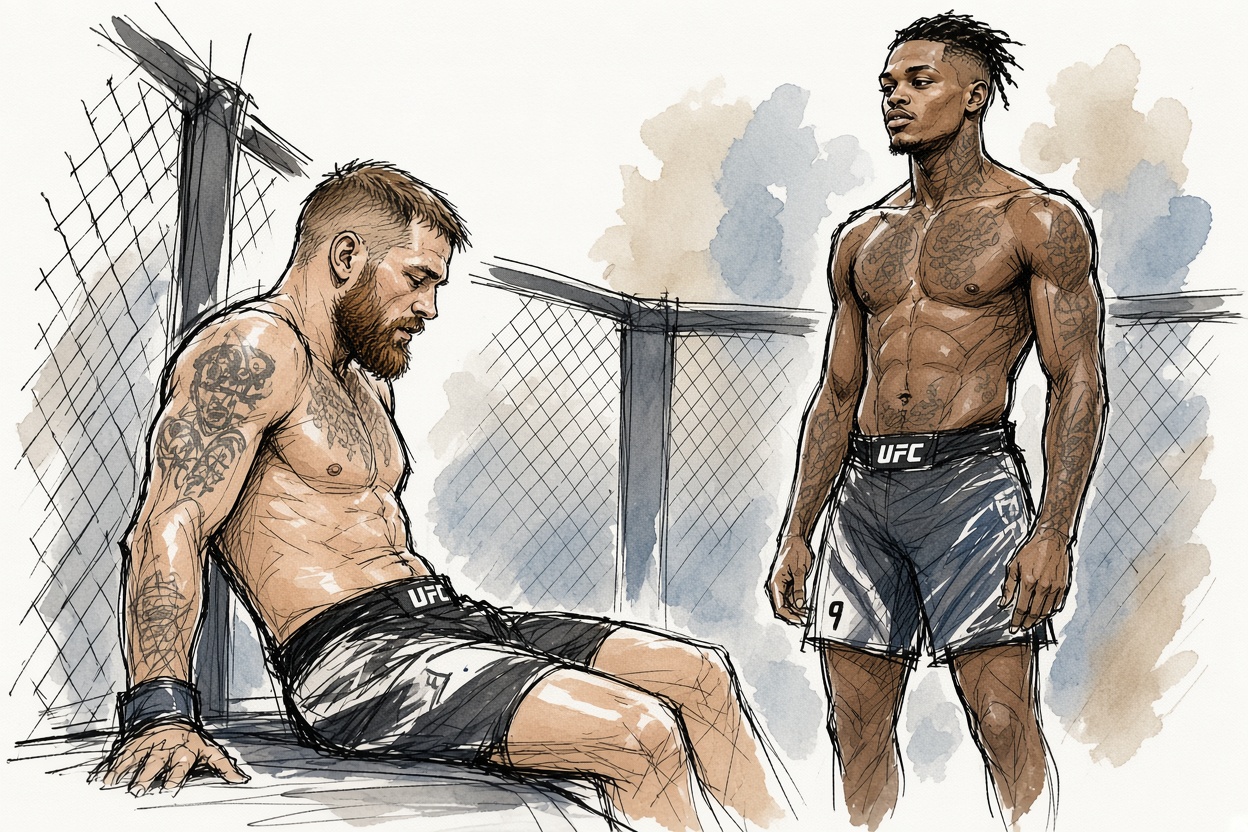
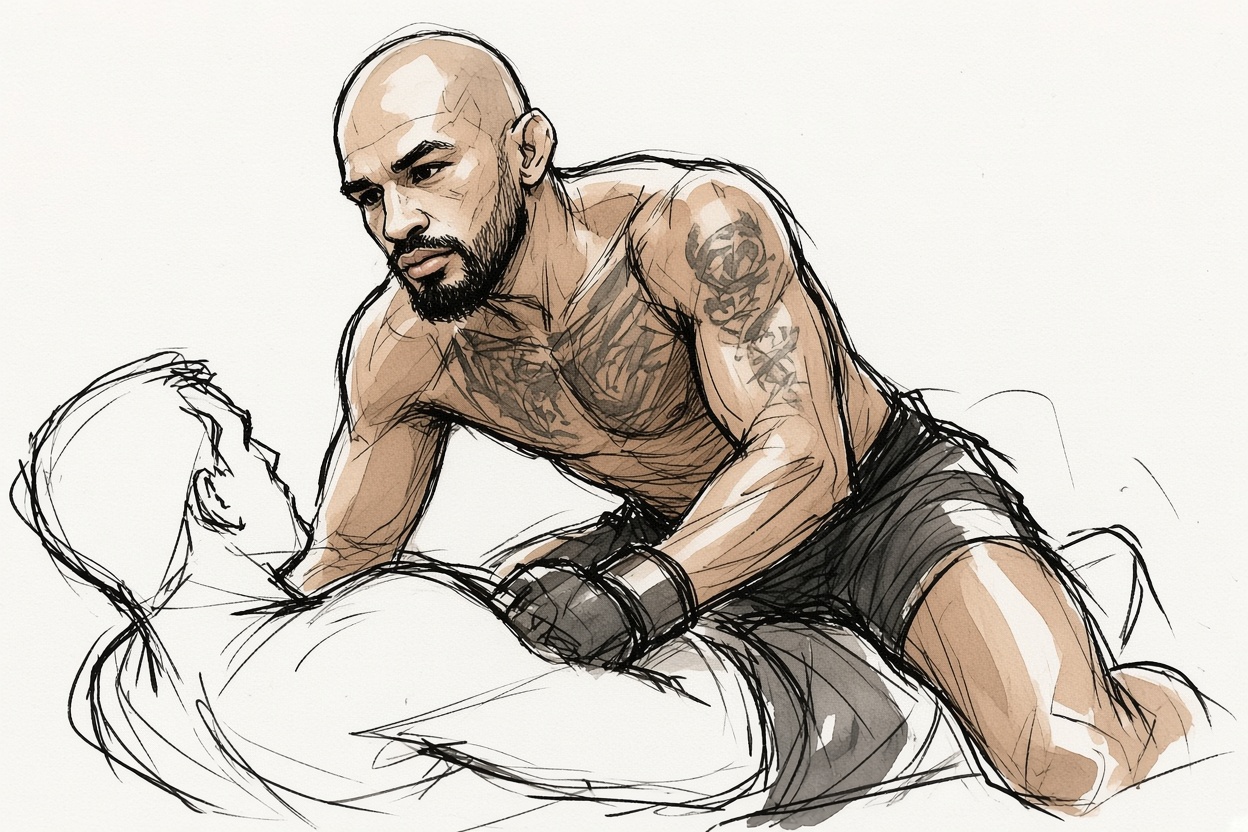
Hasan won the first round clean. He dominated the striking exchanges, and the only blemish was getting dropped by a Gurule right hand in the middle of doing exactly that. If the fight had stayed standing for three rounds, Hasan wins easily and nobody's arguing about anything. It didn't: Gurule, who had lost four of his previous five and was fighting to keep his roster spot, changed the terms of the fight in round two by taking it to the floor and never giving it back. He controlled the second round from top position, then did it again in the third while bleeding from a cut opened by one of Hasan's elbows, and kept grappling through it anyway. He found the one thing his opponent couldn't answer and worked it across the final two rounds.
The number everyone keeps waving around is the significant-strike count: Hasan landed more of them. He did. But significant strikes aren't the only column on the scorecard. Total strikes plus top control for the better part of two rounds is a legitimate, heavily weighted criterion under the same rules Hasan's camp would have invoked if he'd been the one holding a wrestler down for ten minutes. You don't get to demand the judges ignore grappling dominance the one time it goes against your guy. Two of three judges watched Gurule neutralize a hyped striker's offense for two rounds running and scored it that way. It's what effective grappling is supposed to look like on a scorecard.
The gap between how this fight was priced and how it played out should embarrass whoever matched it. Hasan went off around a -1000 favorite, treated by sportsbooks and by the UFC's own matchmaking as a lock worth fast-tracking onto a numbered pay-per-view in just his second Octagon appearance. That number was built on hype and a finishing streak. It had nothing to do with Gurule's wrestling. Nobody priced in what happens when a hyped striker gets taken down by a credible wrestler, because nobody had bothered to test it. Now we know. The people who should feel most uncomfortable are whoever decided an unbeaten fighter who'd never been taken into deep water belonged on a marquee card as a near-lock in the first place.
Hasan blamed a chatbot that told him he'd knock Gurule out in the first round, which is the right amount of self-awareness: he knows he didn't have an answer for the wrestling, and he said as much. If his own corner isn't arguing robbery, the rest of us screaming about significant strikes are just mad the prospect lost. The scorecards were fine.
Gurule earned that split decision by doing the hardest thing in the sport: solving a live problem in real time against a heavy favorite, with his own career on the line. Hasan's people can keep pointing at the strike counts. The judges were watching the right fight.