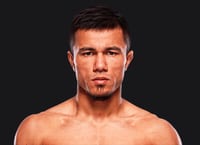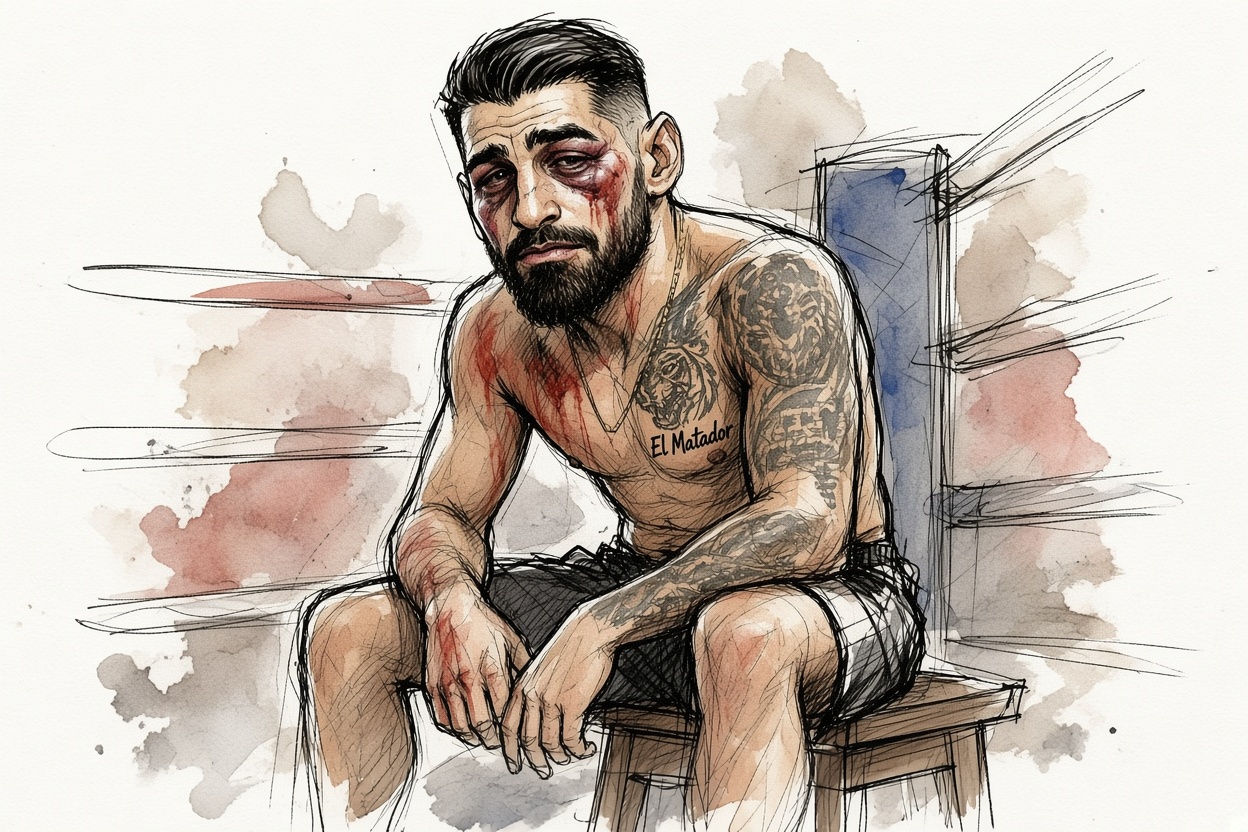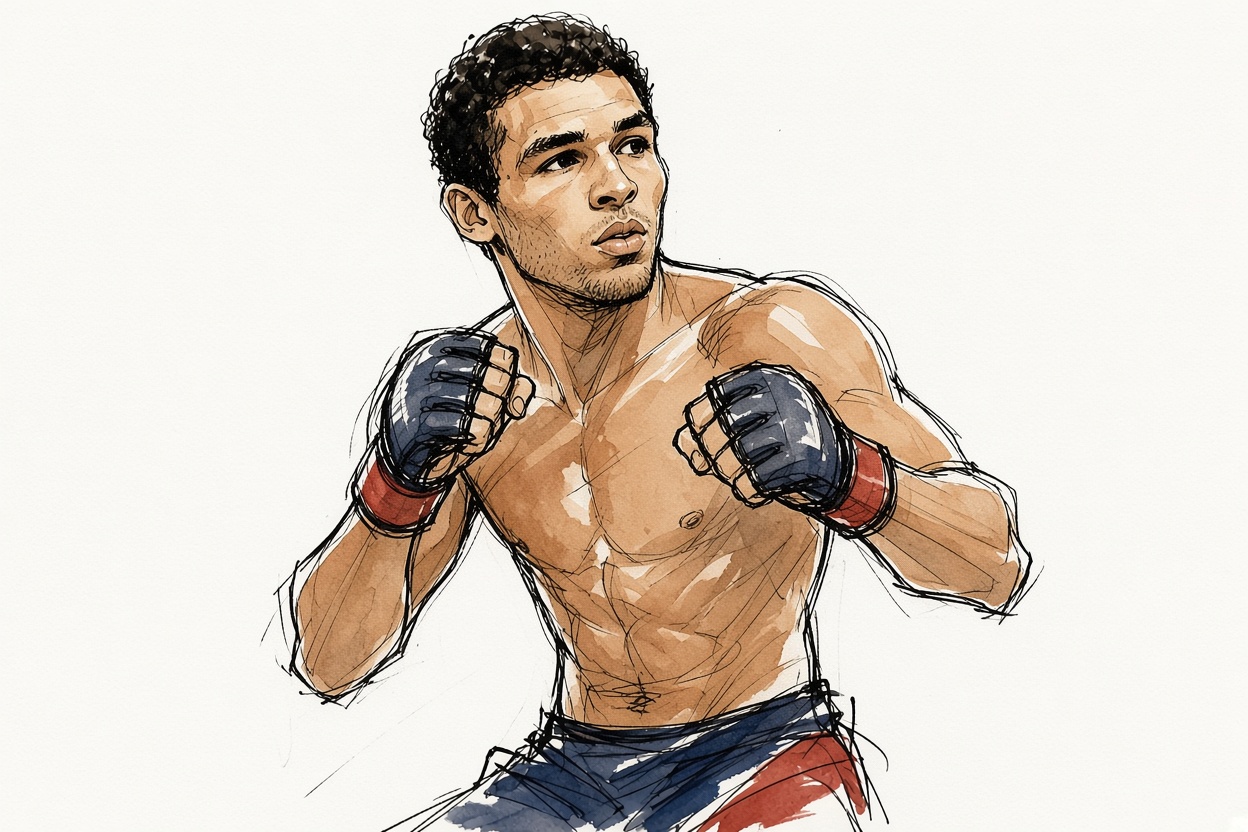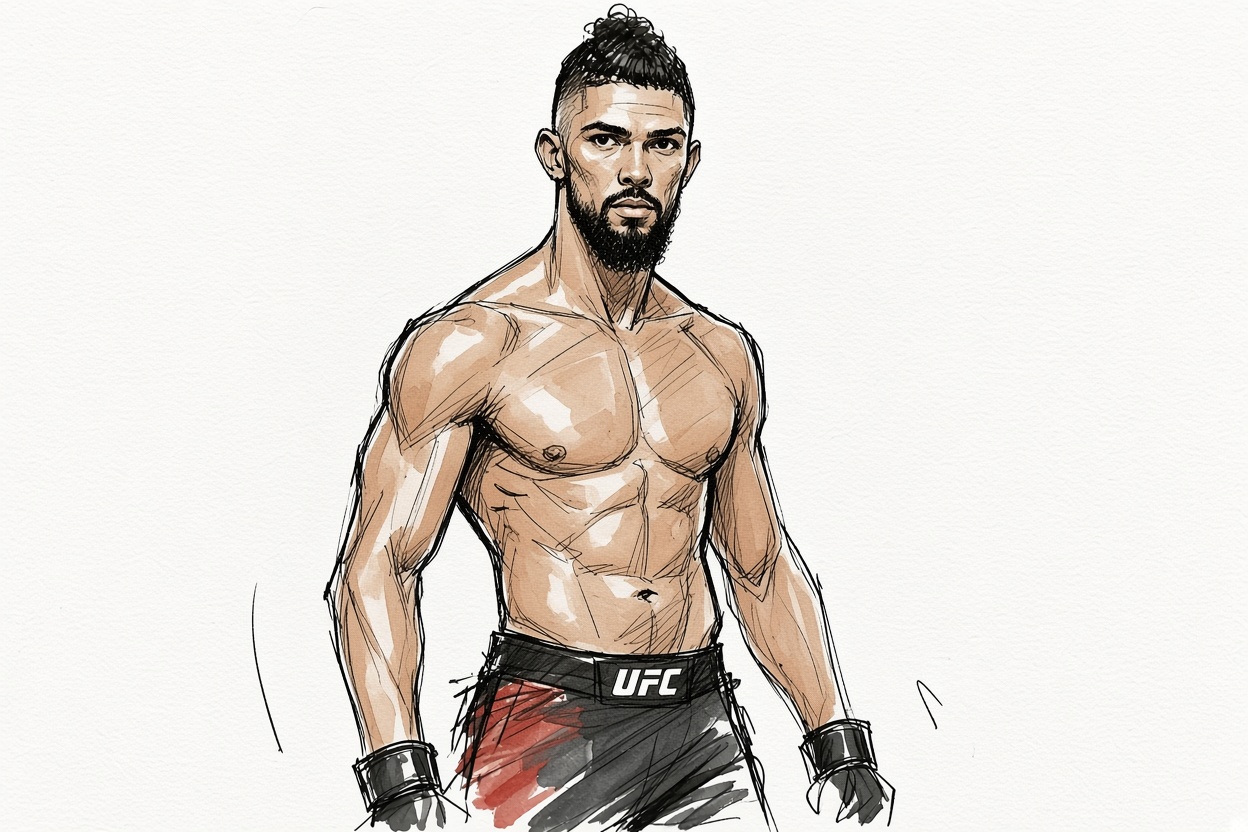
This card feels like minor-league filler because the UFC decided minor-league filler was good enough to run on a Saturday under its own banner. When Sean Brady pulled out of his welterweight headliner against Gabriel Bonfim on October 29 with a staph infection in his knee, the promotion lost the fight the entire show was built around and had about a week to do something about it. What it did was slot in Waldo Cortes Acosta against Johnny Walker on nine days' notice, then leave the rest of the lineup sitting there as a parade of heavy favorites. That's the complaint flooding the discussion thread, and it holds up.
Start at the top. Cortes Acosta (17-4) was trying to snap a two-fight skid after losses to Alexander Volkov and Curtis Blaydes. This was his fourth fight in nine months, and he took a main event with nothing to gain in the rankings. Walker (23-10) came in off a knockout of Mick Parkin in October. It's a live enough heavyweight scrap. It was also put together in the time it takes to book a flight, and the betting market treated it that way: Cortes Acosta opened around -225, pulling 59 percent of the bets at DraftKings. People betting real money saw how one-sided the top of the show looked.
Down the card, it's the same story. Mantas Kondratavicius was priced at -290 over Andre Petroski. A Road to UFC featherweight tournament champion, Keiichiro Nakamura, was handed a debut against Ollie Schmid, a 4-3 newcomer out of Budapest. An undercard that reads like a list of near-locks is a booking philosophy. Somebody looked at a thin Fight Night with its marquee bout gone and decided quantity would cover for quality.
The chalk didn't all hold, to the show's credit. Petroski ignored the odds and ground out a second-round TKO over the man favored to beat him, then grinned through his words with Michael Bisping: "It feels so good." Jose Souza flattened Jonny Parsons with an uppercut in the first. Those are the moments that make a card worth the hassle, and they happened in spite of the matchmaking.
None of this is on the fighters. They take the fights they're offered, cut the weight, and show up at the Apex to try to win. The decision to paper over a collapsed headliner with a short-notice replacement, and to pad the rest with mismatches on paper, came from the office that builds these Vegas turnarounds. They could have hunted for a genuinely competitive main event. Instead they chose convenience and hoped nobody would check the odds.
People checked the odds. The frustration in that thread is the sound of an audience realizing it was sold a lineup the promotion itself knew was lopsided before the cage door shut. If the UFC wants to run a near-empty-looking Fight Night full of favorites on a Saturday night, fine, but it should stop acting surprised when the paying customers call it what it is.