Whatever a fighter screams into a live microphone sixty seconds after a fight in Edmonton, the UFC built that moment. It booked the mood, sold the hostility all week, and left the camera rolling. Then it acts stunned when hostility is what comes back.
This was supposed to be a homecoming. UFC Fight Night landed at Rogers Place on October 17, the promotion's fourth trip to Edmonton and its first since November 2024: thirteen fights, twelve of them with a Canadian on the card. It was built around Mike Malott getting his first UFC main event on home soil, riding a four-fight winning streak that included an April TKO of Gilbert Burns, a win that pushed Burns into retirement from the company.
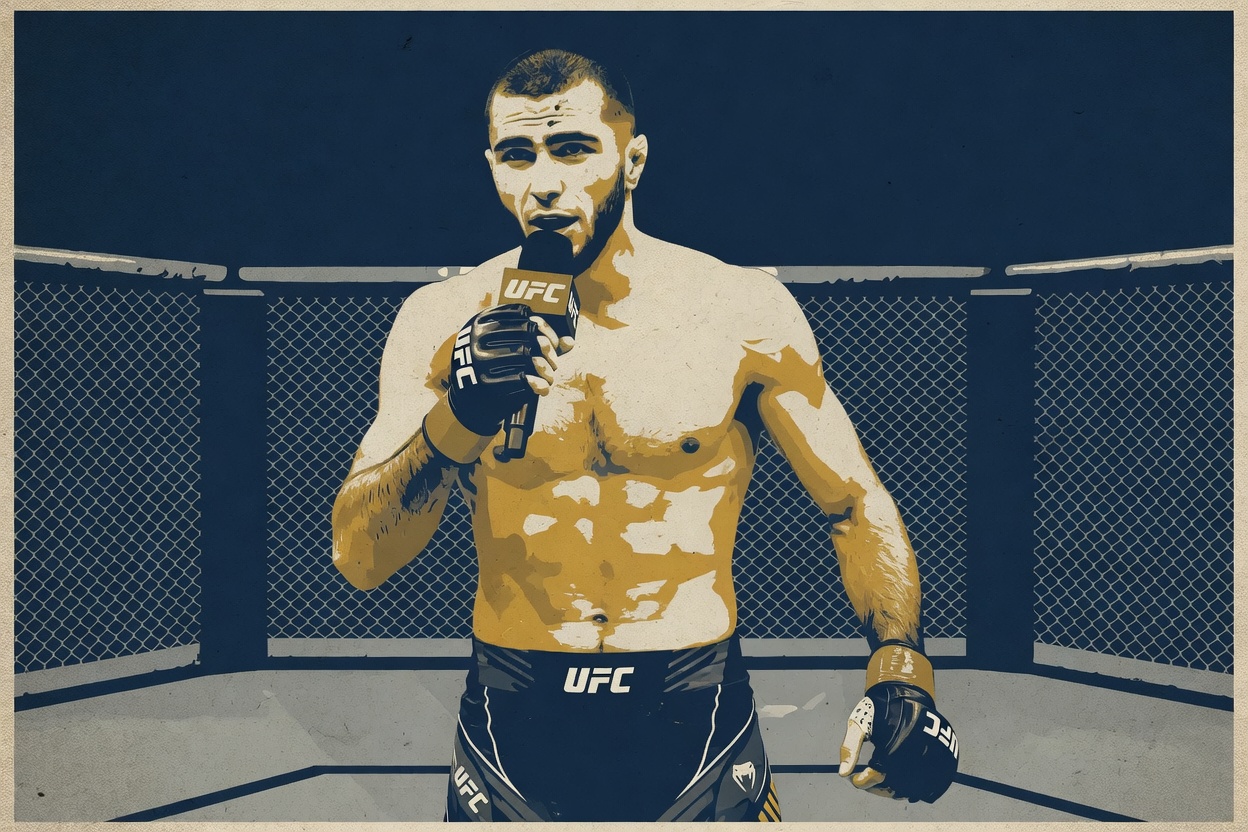
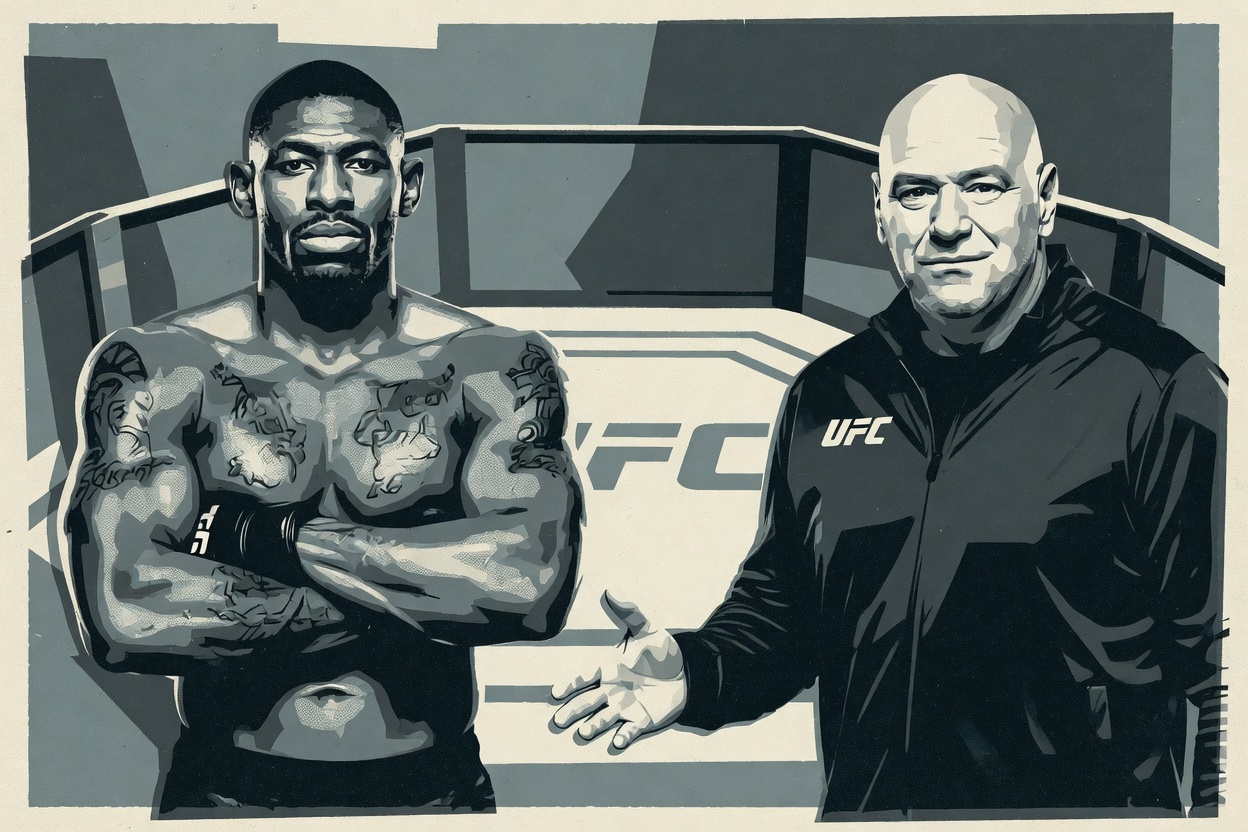
The hometown story was already getting roughed up early, with Canadians like Chad Anheliger and Melissa Croden both submitted on the prelims. Into that room the UFC dropped Joaquin Buckley, a welterweight trying to avoid the first three-fight losing streak of his career after defeats to Kamaru Usman and Sean Brady. Buckley gave them exactly the product they wanted. At Friday's face-off he ignored Malott's outstretched hand, ignored Dana White's hand too, and stared through his opponent. Handed a microphone after the ceremonial weigh-ins, he stood there and said nothing for the better part of a minute. He'd already told everyone who he planned to be: "with my style and who I am, I'm always going out there with the intentions to kill... that's not because I hate Malott, brother, that's the job."
The UFC loves this. A man radiating silent contempt sells a headliner better than two professionals being decent to one another. Conflict sells, so the promotion feeds it, clips it, and sells the silence as content.
Then comes the part nobody at the top wants to own. Hand a man a live, uncut microphone in the most adrenalized moment of his life, inside a building full of people who paid to watch him fail, and sooner or later you get something the sport has to wince through. The UFC wants the raw, heart-still-pounding version of a fighter because that's what feels real and drives the replays. You don't get to run that format and then disown whatever the rawness produces.
The defense comes back fast: it's faith, it's adrenaline, post-fight interviews were never meant to be read like position papers. All of that is true. A man who just risked his brain for your Saturday night is under no obligation to be measured about it afterward. The people broadcasting it live, with no delay and no filter, are the ones who own what happens next.
This keeps happening because every incentive points one way. Behave like a pro and you're forgettable. Treat a host city and an opponent with open disdain and you're the story, the clip, the booking next time. Then the sport wonders aloud why its big nights keep ending with someone grabbing a mic and making the room curdle.
Blame the man if you like. He's an adult and he owns his mouth. But the UFC picked the opponent, picked the city, sold a week of contempt as a feature, and chose to pipe the aftermath out live. It engineered the conditions for an ugly moment and it got one. Own it.