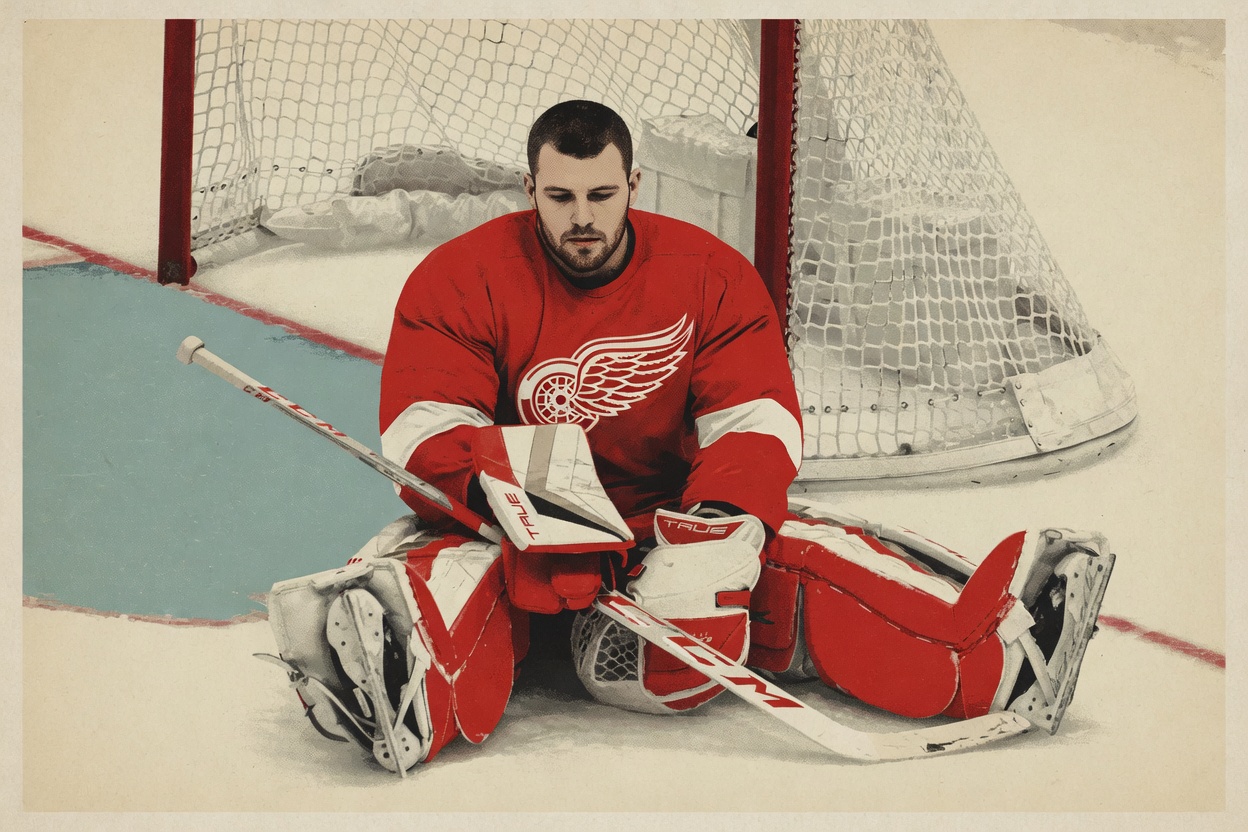
Minnesota beat Vancouver 4-2 on Sunday, and somehow the loudest argument coming out of it is about Minnesota's failure to score on a 5-on-3.
With under 10 minutes left in the third, Vancouver took back-to-back penalties and handed Minnesota nearly a full minute of two-skater advantage. This is one of the best power-play units in the league. The Wild were the No. 1 power play in the NHL just a few weeks into this season, and they were still inside the league's top 10 entering this exact game. On the season, their 5-on-3 conversion rate is above 30 percent. A two-man advantage against a team that had lost nine straight games at the time should be the easiest thirty seconds of offense in a team's week. Minnesota got nothing. Vancouver's penalty kill, with Elias Pettersson doing the heavy lifting, snuffed it out clean.
The obvious rebuttal is sitting right there in the score: Minnesota won by two goals. They'd already scored twice on ordinary power plays earlier in the game and were up 4-0 by the time the 5-on-3 even happened. Nothing about the final result was ever in doubt. If you want to argue the power play doesn't matter because the Wild cruised anyway, you've got the box score on your side.

 Rating
That's the wrong way to grade a power play, though. A power play's job isn't to matter only when the game's in doubt. It has one job: score. On the night it mattered least for the standings, it still exposed something real. A unit that's supposedly elite shouldn't need the stakes to be high to execute. Scoring is the job, regardless of the score. A 5-on-3 that goes nowhere against a punchless, 10-games-losing opponent is a symptom.
And the symptom is obvious if you watch how that unit operates: too many good options on the ice at once breeds hesitation. When you've got that much skill arranged around the net, the instinct becomes looking for the perfect look instead of just putting a puck on net and trusting the chaos. A 5-on-3 is a math problem, three men against a scrambling penalty kill. You shoot, and you crash the net, trusting a deflection or a rebound to do the rest. Minnesota played keep-away with itself instead, and a penalty kill that had no business surviving that sequence got to make a highlight reel out of someone else's indecision.

Nobody's blaming Calvin Pickard for this one. Fifteen saves in a win he didn't have to sweat is a fine night's work, even if things in front of him got shaky late. This is on the power-play unit and whoever's drawing it up. If that group wants to keep calling itself one of the best in the league, it needs to stop needing a favor from the scoreboard to prove it.