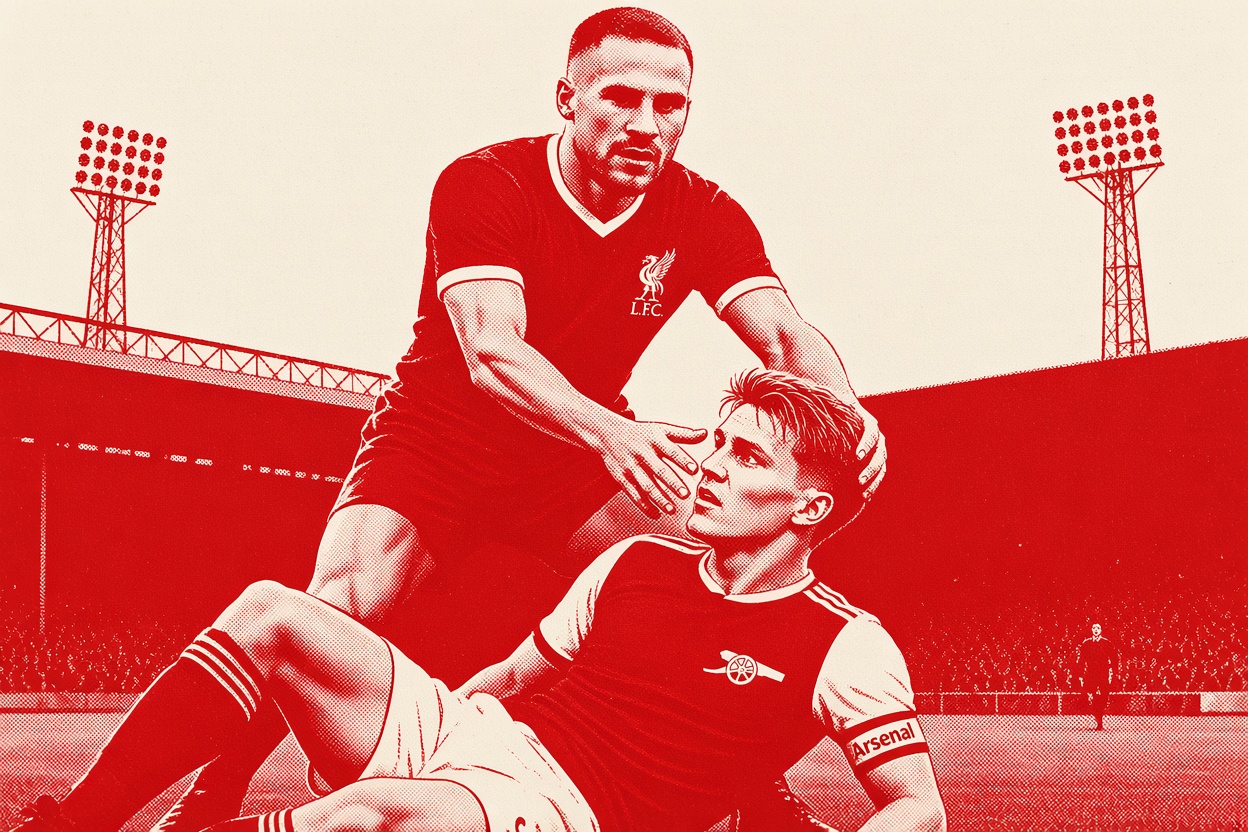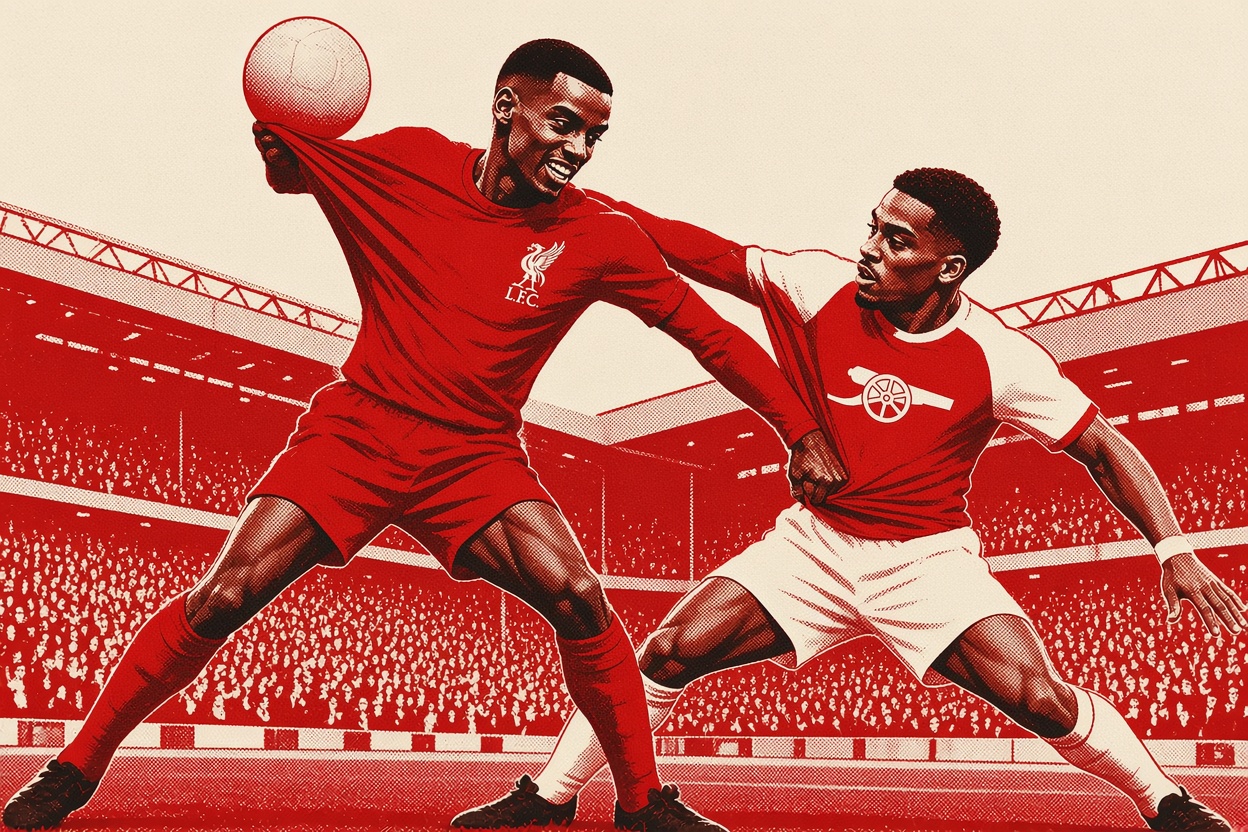
Andoni Iraola is right, and everyone clutching their chest about him "legitimising cheating" has the whole thing upside down. Alexander Isak had his shirt pulled by Jurriën Timber in the box. He stayed on his feet, the way you're supposed to, and got nothing for it. Referee Andy Madley waved play on. Stuart Attwell's VAR room, the entire point of which is to catch exactly this, sat there and did nothing either. So when Iraola was asked whether he'd now tell his players to dive, he didn't dodge it. "It's a shame you ask me this question. But honestly, yes, we have to tell them to go down because they are not going to call it otherwise."
He's describing the sport accurately.
This wasn't some fifty-fifty call people can shrug off. Former referees lined up to call it. Mark Halsey called it a clear penalty. Graham Barber said he'd be amazed a referee saw a shirt pull like that and didn't give it. Keith Hackett, who used to run the whole refereeing operation, went straight at the technology: "the pull impacted on the forward heading the ball. It was a clear penalty kick." Jamie Carragher was incensed on air. Virgil van Dijk put it as plainly as anyone: "We have 50 cameras. Why does he have to complain when there are so many cameras? Everyone has seen it."




If officials only award what they're shown in neon, staying upright through a foul is a tactical mistake. Isak did the honest thing and got punished for it. That's the system teaching players, in real time, that honesty costs points.
The strongest case against Iraola is the one Gary Neville and Daniel Sturridge made: Isak should have sold the contact. "If he makes more of it, it's a penalty," Sturridge said. "I don't think he makes enough of it." That's probably true as practical advice. But saying it concedes something: the striker needs to perform for the camera because the foul alone isn't enough. That exposes the officials.
There's a line people love to draw between diving and "going down," and it matters. Inventing contact that never happened is cheating. Reacting to a shirt that got yanked out of shape, a pull you can see on every one of those fifty cameras, is translation into the only language this officiating regime reliably understands. If referees will act on a theatrical fall but not on a documented foul, the people holding the whistle manufactured the dishonesty.
They can't even plead that this slipped the system's net. The Premier League told referees this season to clamp down on holding and shirt-pulling in the box. Howard Webb's PGMOL built VAR to stop clear, obvious errors from standing. Then Madley missed it live and Attwell declined to send him to the monitor, at Anfield, in the biggest fixture of the weekend. The same officials' employer had to publish a note explaining their other big call, confirming no red card for Noni Madueke's bit of business with Alexis Mac Allister: "The referee's call of no violent conduct by Madueke on Mac Allister was checked and confirmed by VAR." They found their voice for that one quickly enough.
Arsenal won 1-0 through Kai Havertz and ended a 14-year wait for a league win at Anfield. They sat top as the ninth round of matches finished, helped by Manchester City slipping up the same day. It's a long season, and that lead means little in November.
The most reliable instruction a Premier League manager can give his attackers now is to fall over when fouled. Iraola just said it out loud. The embarrassment belongs to Madley, to Attwell, and to Webb, for presiding over a system that keeps rewarding the fall and punishing the man who stays on his feet.