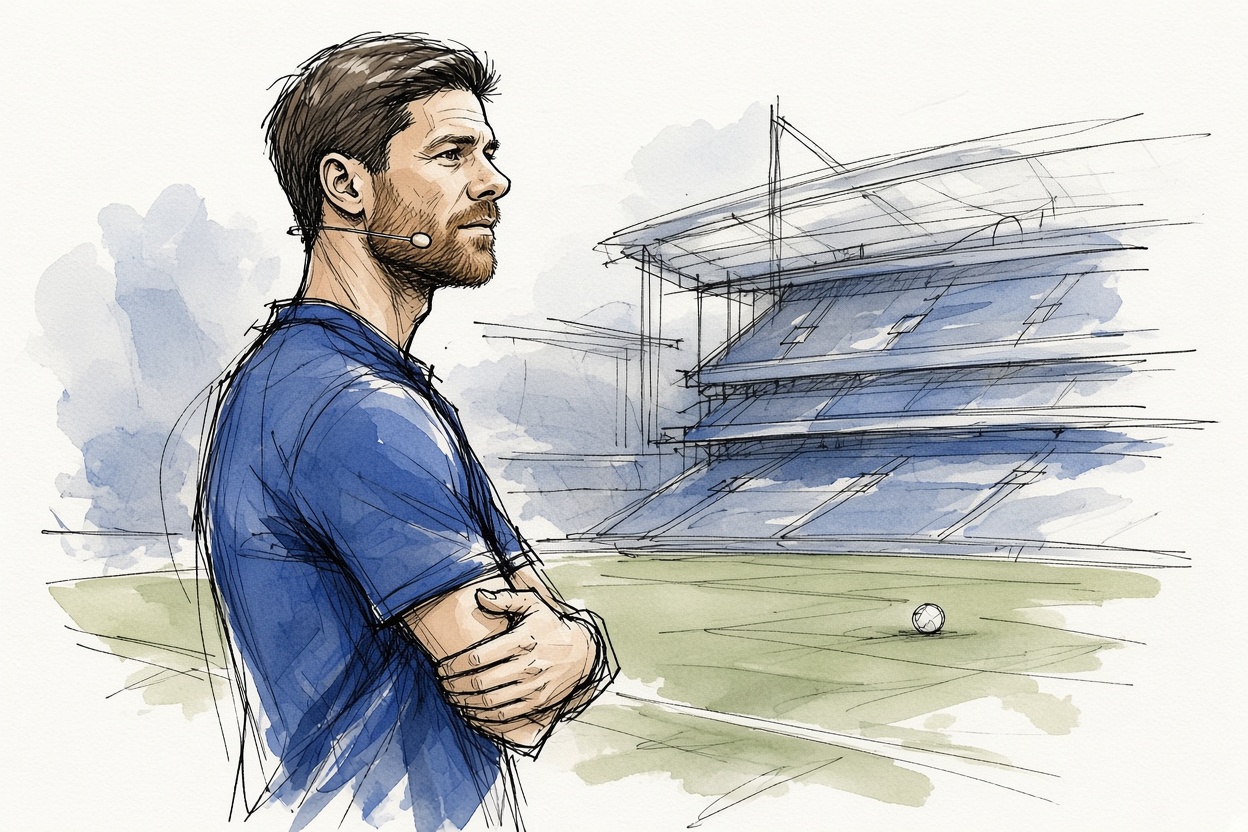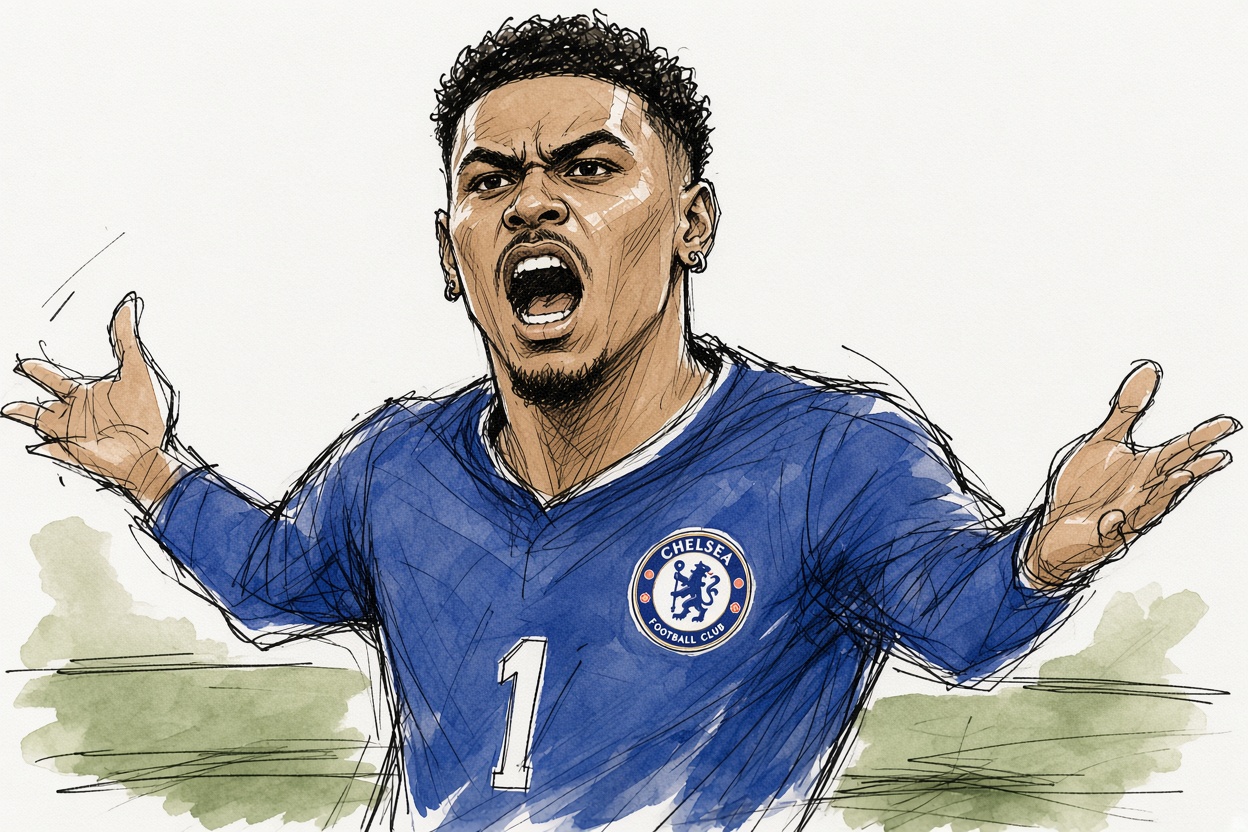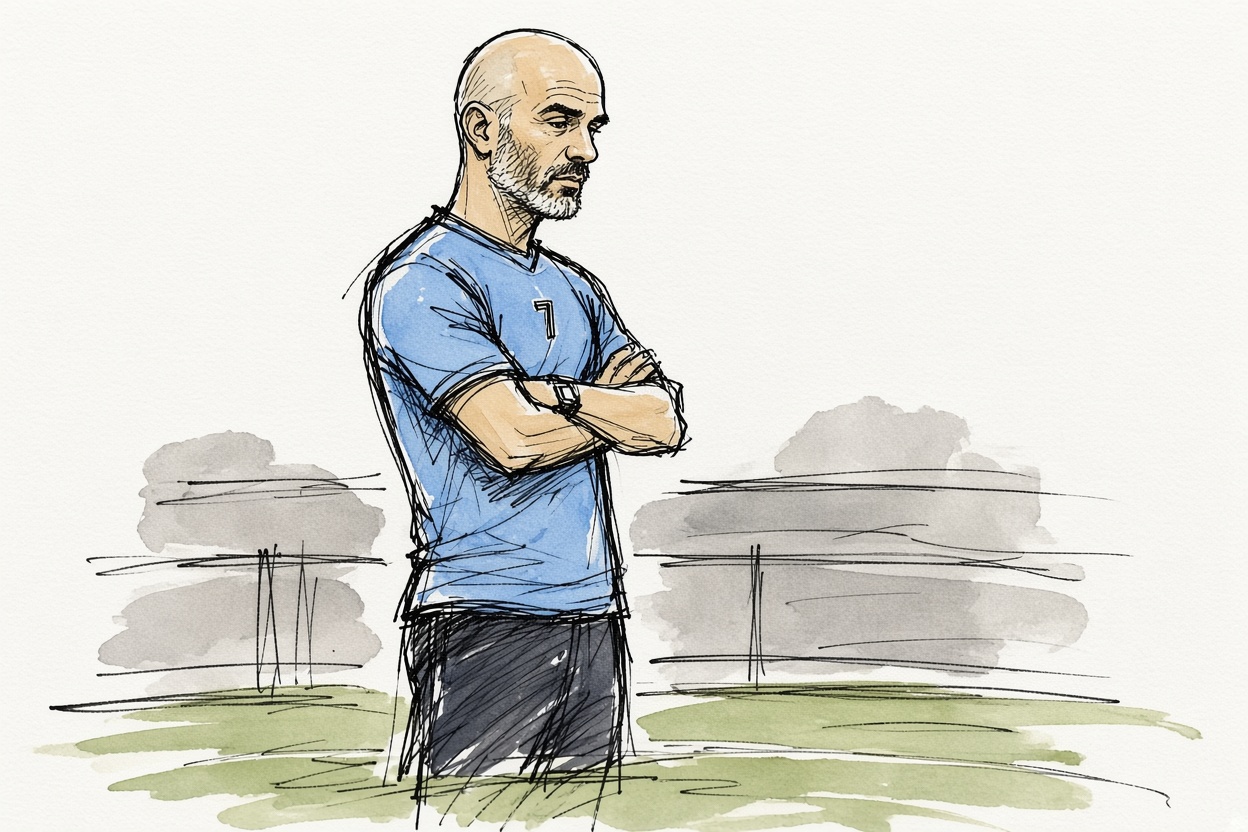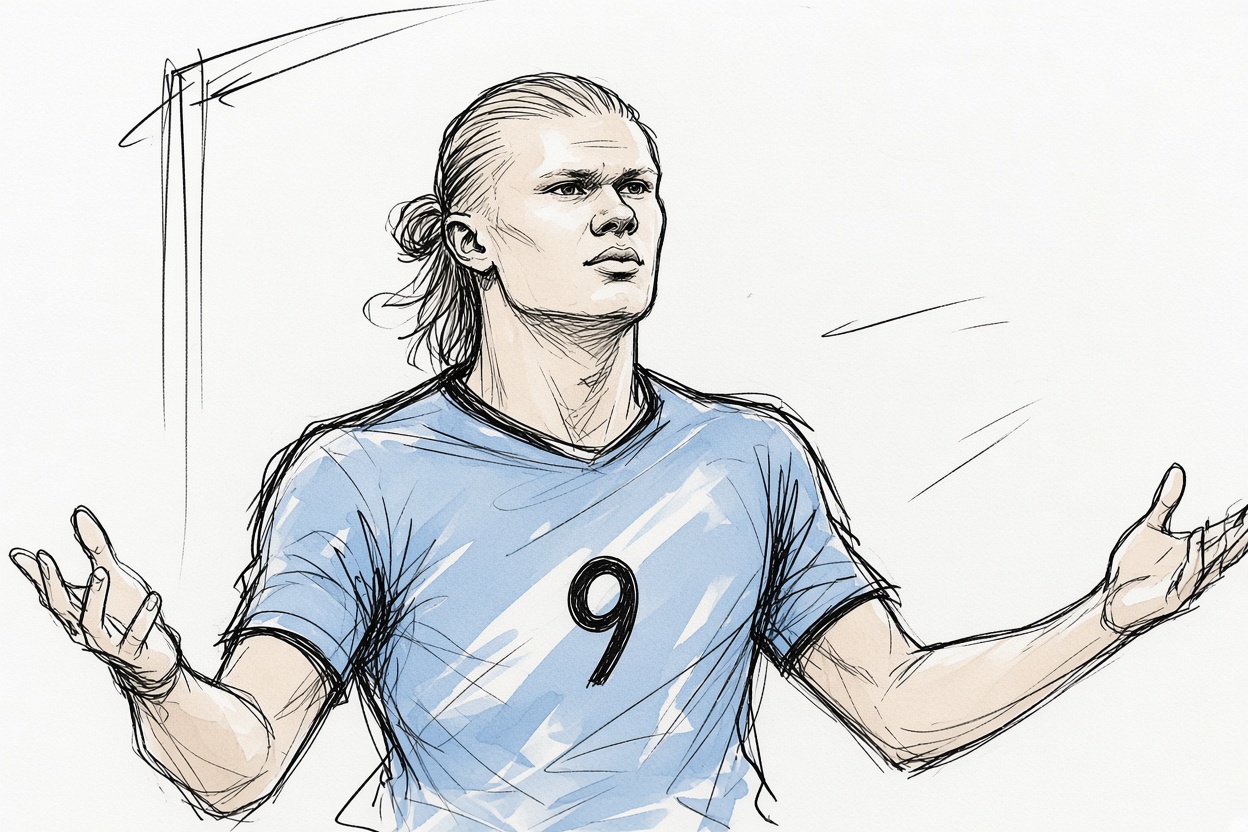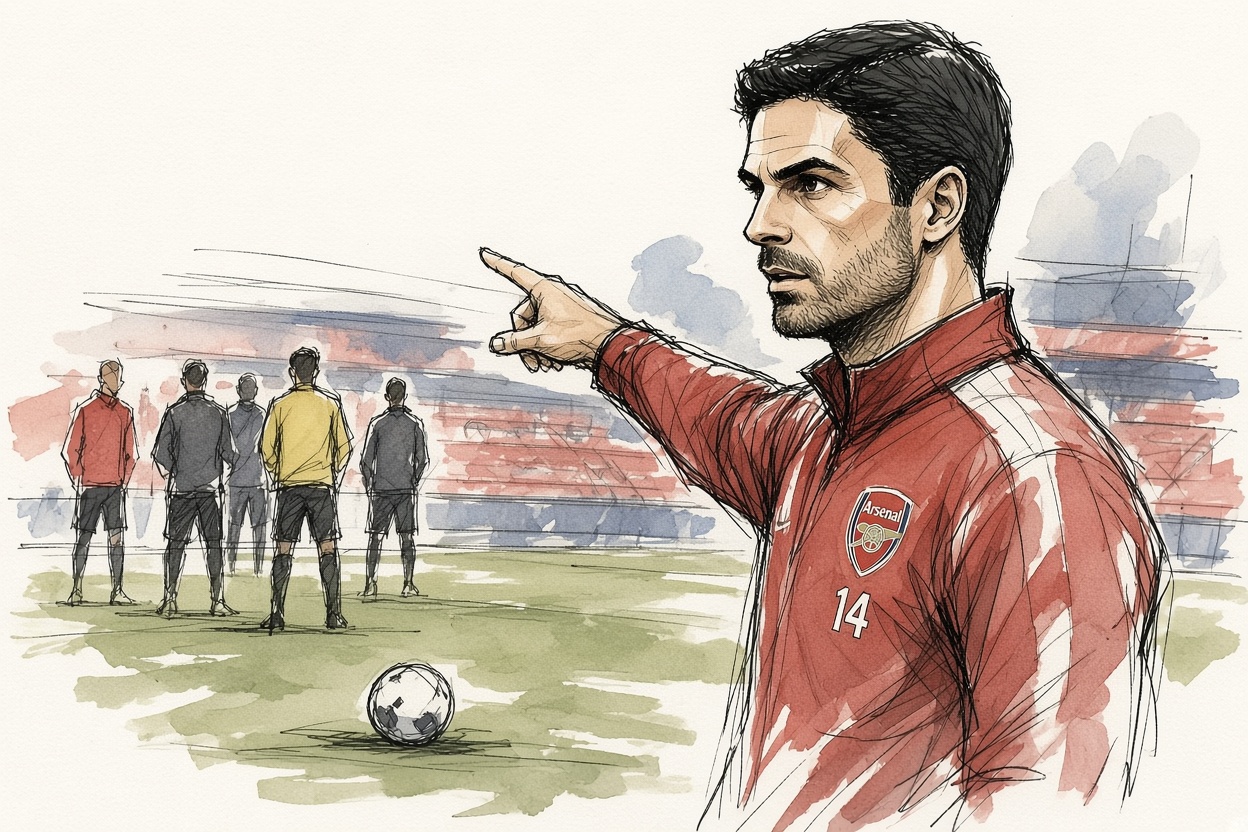
Arteta had twenty-five minutes of warning. He used none of it.

⚡ Held:Arsenal were 62% favourites before kickoff and only drew 2–2.
 16%

Newcastle deserved their point on the balance of the second half. The real question is whether Mikel Arteta's own decision-making turned a winnable away match into a draw. Arteta owns a chunk of the blame for this result, and he mostly did it to himself.
Start with the timeline, because it tells the story better than any pundit take could. Arsenal led 1-0 at the break through Eberechi Eze, playing the kind of first half Arteta himself admitted should have produced two or three more goals. Newcastle equalized four minutes into the second half, then took the lead on the hour. That's two goals conceded and roughly twenty-five minutes of plain evidence that his setup had stopped working, and Arteta's response was to leave the same XI out there until the game was basically over. His two attacking substitutes, Viktor Gyokeres and Mikel Merino, didn't appear until stoppage time, with only a handful of added minutes left to play with. A manager who watches his plan die in real time and won't change it until the final whistle is in sight has stopped managing the game.


The Rice-Bruno Guimaraes double pivot is the other half of this. Arsenal went into the match without Martin Zubimendi, who was unavailable, and Arteta paired Declan Rice with Guimaraes anyway and left it entirely alone, even as Newcastle's attackers kept finding space to turn Arsenal's midfield on the break. One of those turnovers, involving Martin Odegaard losing the ball cheaply in a dangerous area, fed directly into Harvey Barnes's equalizer. I'm not interested in hanging that on Odegaard. Players misplace passes every week. The mistake was a symptom of a midfield that had already been overrun for a quarter of an hour, and Arteta had every chance to change its shape or its personnel and chose to wait.
Arsenal really were excellent for the first 45 minutes, and Arteta's own admission that it should have been two, three or four goals is accurate. If Arsenal take even one more of the chances they created before the break, this whole discussion disappears. That part isn't on his coaching. Given how completely Newcastle ran Arsenal over for the opening stretch of the second half, you could argue clawing back a point at a difficult ground counts as damage control. I don't buy it. The point of having Gyokeres and Merino on the bench is to use them while the game can still be saved.
The inaction afterward is damning. A manager who watches his team dominate for 45 minutes and then get torn apart for 25 has two obvious reads: the opposition changed something, or his own players ran out of legs and composure. Either read demands a response well before stoppage time. Arsenal's own analysts marked him down for precisely this, crediting the first-half plan while flagging that he was slow to react to Newcastle's shift and that his substitutions, whatever good they eventually did, came far too late to stop the bleeding. When your two most dynamic attacking options sit unused while your lead disappears goal by goal in front of you, and you don't turn to them until there's effectively no game left, you've failed the most basic test of in-game management.
Newcastle were the better team for the entire second half and deserve credit on their own terms, and David Raya's second-half injury didn't help an Arsenal side already wobbling. None of that changes who had the power to stop the collapse and chose to sit on it. Arsenal drew this match and left points at St James' Park because their manager watched the warning signs for half an hour and waited until the game was dead to act on them. That's on him.