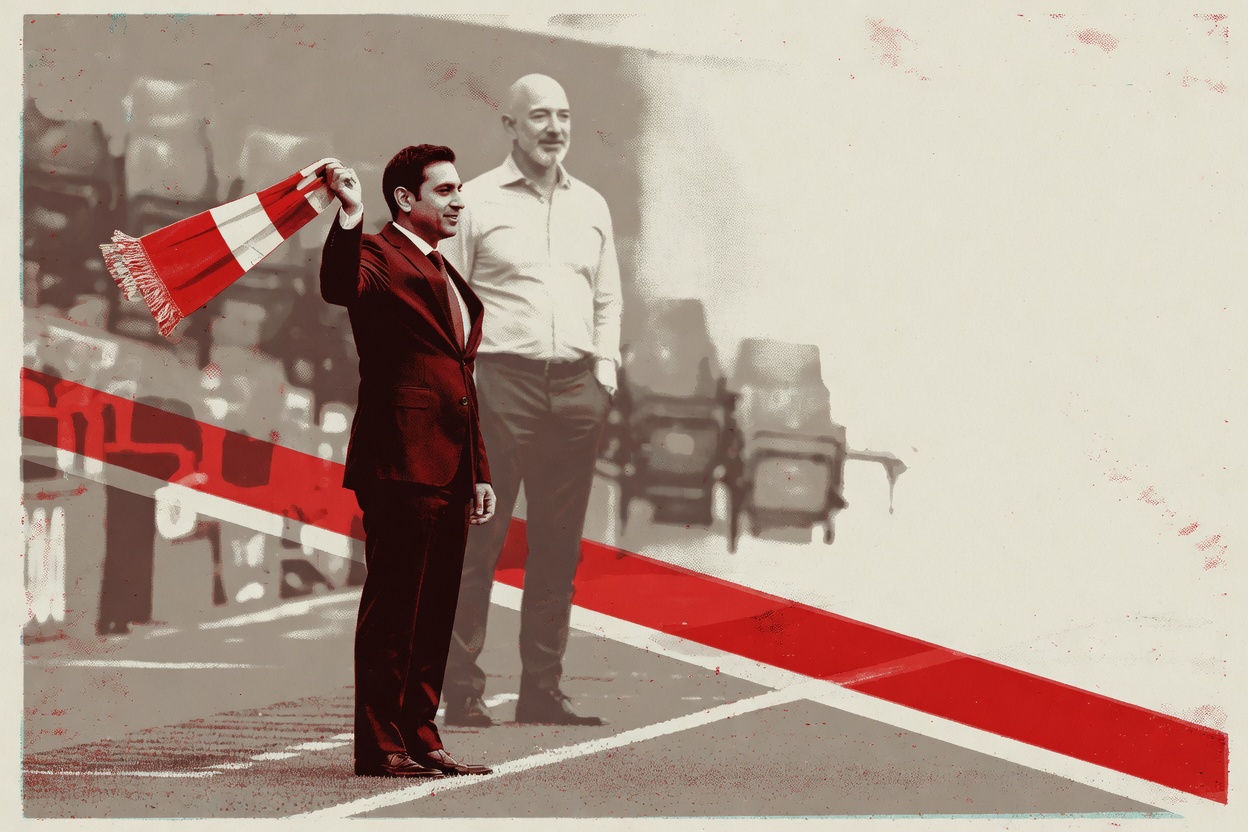
The photograph everyone reached for was Jeff Bezos, because of course it was. When one of the richest men on the planet turns up in the ownership chart of a club with Liverpool's history, the rest of the deal tends to disappear behind the name. That's the trap here, and it's worth stepping around.
What Fenway Sports Group actually announced on August 14 was a definitive agreement to sell a minority stake in Liverpool FC to a consortium called 1892 Holdings, a nod to the club's founding year. The stake is reported at roughly 30 percent, though neither Liverpool nor the buyers have confirmed the exact figure. The valuation, again attributed to people familiar with the matter rather than any formal disclosure, sits somewhere around £5.5 billion, or north of $7 billion depending on which sources you trust. Big money, imprecisely quoted, which is itself a sign of how fast this moved.
The part that actually matters sits below the celebrity name. As a condition of the deal, the investment group holds an option to become Liverpool's majority shareholder within the next 12 months, at a valuation reported around $8 billion. This isn't a sale of control today, just a door someone can choose to walk through later. FSG keeps majority ownership and operational control for now, and day-to-day life at the club isn't expected to change. But options exist to be exercised. The whole point of writing one into a contract is that both sides can see a future where it makes sense.
Who's actually driving
The consortium is led by Amit Bhatia, who becomes Liverpool's vice chairman and joins an expanded board. Bhatia spent 18 years as a director and co-owner of Queens Park Rangers before selling his stake last month, and he's the son-in-law of steel magnate Lakshmi Mittal. The funding comes from four places: Bhatia's own capital and the Mittal Family Trusts, K5 Sports (the fund through which Bezos is investing), and EE Capital, the family office of Facebook co-founder Eduardo Saverin and his wife Elaine.
A steel dynasty by marriage, two fortunes built on Big Tech. Bezos won't sit on the Liverpool board; his interests are carried instead by K5's Bryan Baum, so the man whose face sells the story stays a step removed from the room where decisions get made. That's how modern sports investment works now: the capital is global, the governance stays quiet.
The pattern, not the one-off
This matters less as a single transaction than as another data point in a trend years in the making. This is the first outside minority investment in Liverpool since Dynasty Equity bought roughly a 3 percent slice for around $200 million in September 2023. FSG itself bought the club for £300 million back in 2010 and also owns the Boston Red Sox, so American money running through Anfield isn't new. What's new is the scale and the names involved: tech fortunes, family offices, options priced in billions. The Premier League has become a place where American and tech wealth increasingly writes the ownership structures, and Liverpool just gave the clearest example yet of how those deals get built, with an exit ramp installed from day one.
If FSG's thinking is what the reporting suggests, this was about reach as much as anything. Bhatia is expected to open doors in Asia, and the Bezos and Saverin names are seen as useful for growing a brand that's already enormous. Dan Plumley, a sport finance lecturer at Loughborough, offered a plausible read of the logic: keep winning, keep the valuation climbing, and there's little reason for FSG to sell up fully just yet. The option protects FSG's upside as much as it hands the buyers a route in. That's smart business. It's also exactly why supporters should keep both eyes open.
Why the fans aren't just being sentimental
Spirit of Shankly, Liverpool's supporters' union, has been asking the right questions early, writing to the club at the end of July before the deal was even confirmed and following up after. What do the purchasers get in return: board seats, a say in how the club is run on and off the pitch, dividends? These aren't the reflexive complaints of fans who dislike change. This union formed in 2008 in opposition to Tom Hicks and George Gillett, the leveraged-debt owners who dragged Liverpool to the edge of a cliff. When people who lived through that era say any large-scale investment deserves scrutiny, they've earned the right. One UK MP was reported to be "sickened" by the deal, which shows how heated the reaction has gotten, even if it's just one voice.
For now, calm down. The transaction is reported not to change Liverpool's approach to the transfer window. FSG still runs the football, and Andoni Iraola will get on with coaching the team he's inherited. Nobody is about to rebrand the Kop.
The real concern is the year ahead, and it's a concern rather than a prediction. If that majority option gets exercised, the people setting Liverpool's long-term strategy will be a group whose interests span Asian market access and global brand growth, with FSG's operational hand potentially loosening. That could be fine. Owners with deep pockets and a commercial instinct aren't automatically a threat to a club's soul. But identity at a place like Liverpool isn't a marketing asset to optimize, and the moment the priority quietly shifts from winning football matches to widening the funnel, supporters have every reason to notice. The 30 percent isn't the story. The path to 51 is.