Canada was right, and it isn't close.
The Russian U20 team will not be in Edmonton or Red Deer this winter. The blame for that empty seat belongs to the government that started the war, and Canada just refused to pretend otherwise. On Sunday, Nov. 15, 2026, the IIHF confirmed that "due to the position and restrictions formally communicated by the Canadian Government, the Russian U20 national team is unable to participate in the World Junior Championship." Notice who the IIHF names as the problem: Canada, as though the invasion now in its fifth year weren't the actual issue. It's a strange choice of villain for a hockey federation to make.
Russia and Belarus had been shut out of IIHF competitions since 2022, after Russia invaded Ukraine. That ban held until the Court of Arbitration for Sport ruled on Oct. 30, 2026 that the IIHF hadn't provided sufficient grounds to keep Russia out, and ordered the team back in, with the World Juniors as the first event in the firing line. The CAS decision was a narrow legal finding about insufficient evidence of a safety risk. The war didn't stop because a court said so. Anyone treating it as a moral green light is reading a parking ticket as a pardon.
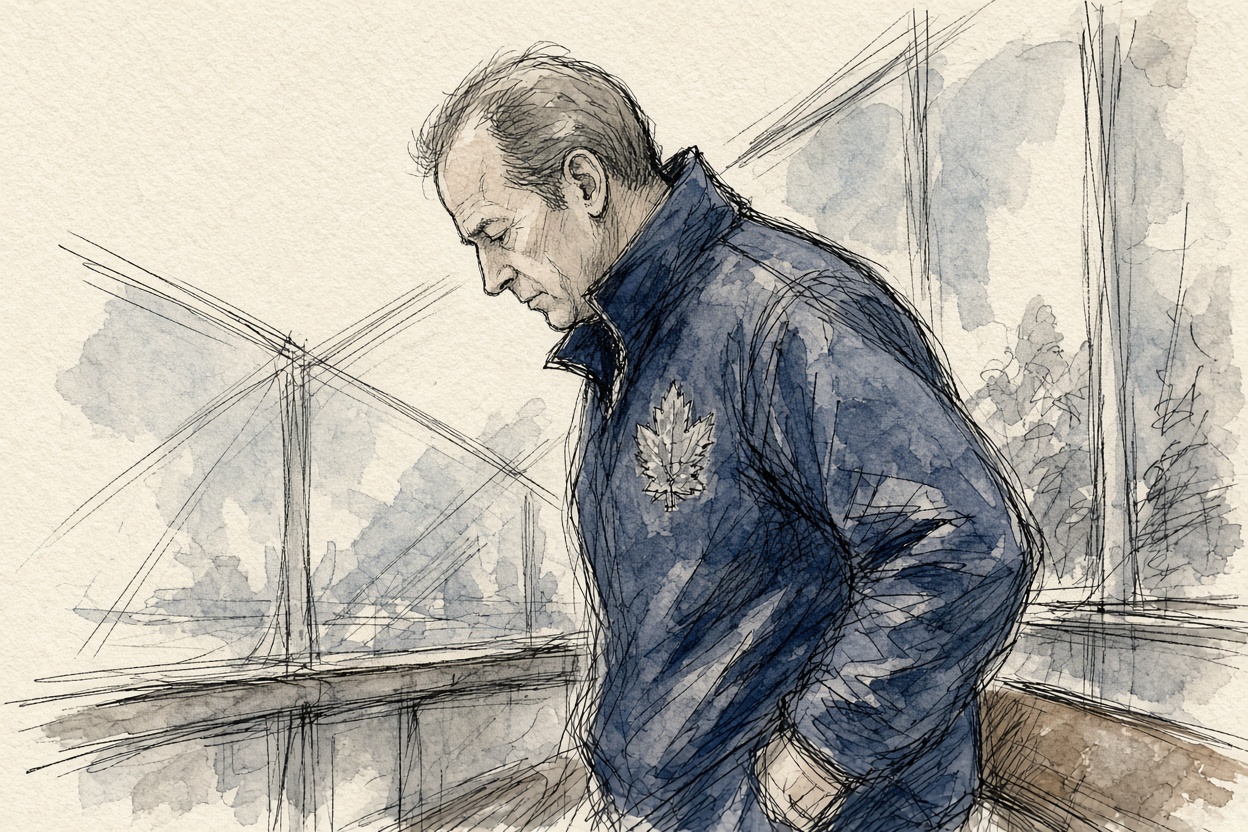
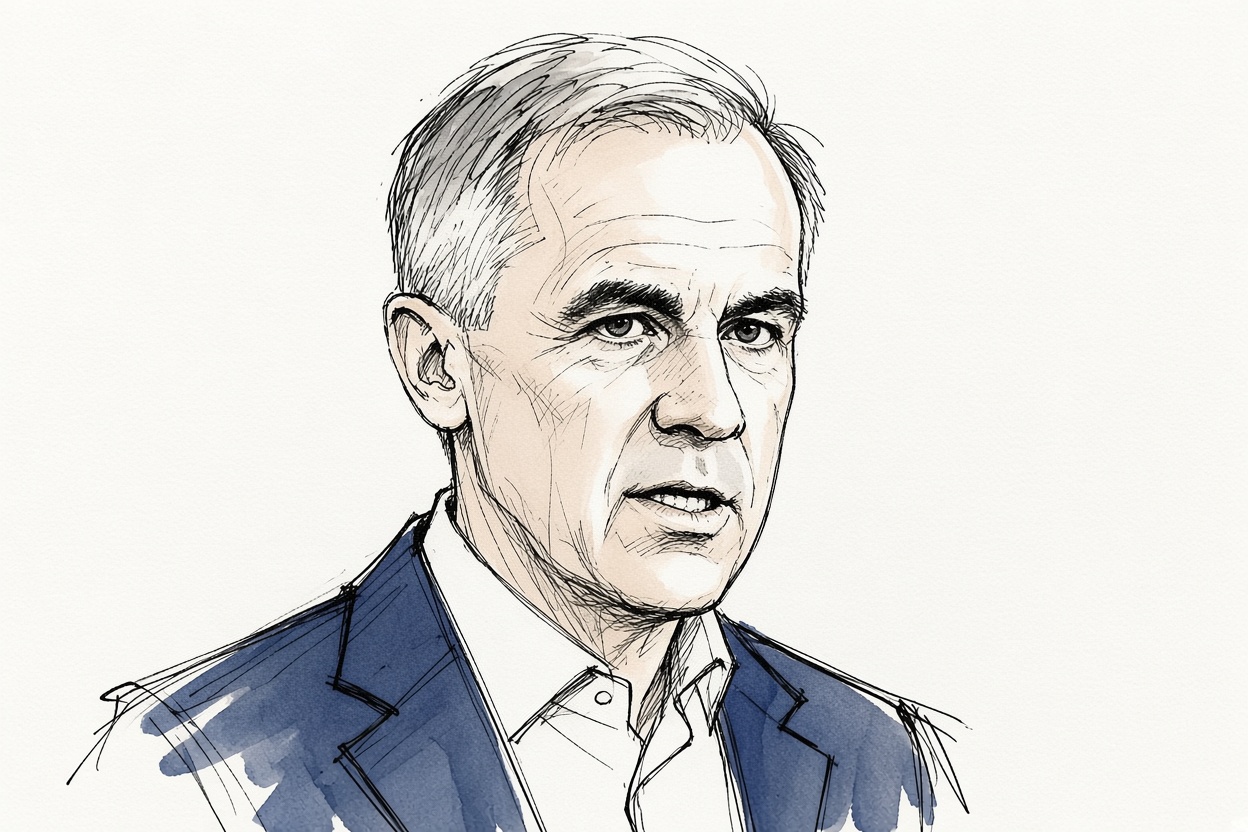
So the question landed in Ottawa's lap, and Ottawa didn't blink. At the Commonwealth Summit in Antigua on Nov. 3, Prime Minister Mark Carney said that "while Russia and Belorussia are supporting this illegal, unjustified, horrific war in Ukraine, as long as that's going on, there will be none of those athletes competing for their countries in Canada." A joint statement from ministers Anita Anand, Lena Diab and Adam van Koeverden made the logic plain: the point was "to prevent the governments of Russia and Belarus from using international sporting events hosted in Canada as platforms for state representation, political legitimacy and propaganda." Then, on Nov. 11, van Koeverden shut the last trapdoor, confirming Russian players wouldn't be let in even with valid visas already in hand, no neutral-flag loophole, no quiet workaround.
The IIHF's own wording gives away how little stomach it had for any of this. It said it acted "after carefully assessing the feasibility of alternative arrangements," then put the decision on "the position and restrictions formally communicated by the Canadian Government." That's an organization that would have found a way to wave Russia in if a G7 host had let it, and only folded because the host wouldn't. Canada did the governing body's conscience for it.
The money argument deserves a hearing. The World Juniors is a cash machine in Canada and an afterthought almost everywhere else, so keeping the tournament home and dumping Russia was also the cheap, obvious business call. Fine. The commercial reality is real. It also changes nothing. A right decision doesn't become wrong because it was also convenient. If the pressure and the principle happened to run the same way here, that's usually just what being right looks like. Carney didn't have to agree with his own wallet. He did, and he said so out loud in Antigua weeks before the IIHF caught up.
Russia's response has been pure noise. The Russian federation called the move "unacceptable" and "unlawful," insisted "the IIHF's decision was made solely due to political reasons," and said it would appeal to the IOC. Federation president Vladislav Tretiak had already floated seeking compensation from Canada and pushing to relocate or cancel the whole Alberta event. The sports ministry, via Russian state media, served up a line about having "a plan B" that will be "good for Russia, but bad for Canada." This is the posturing of a federation that lost the argument and knows it, now trying to litigate the scoreboard. A country waging a war of aggression doesn't get to lecture anyone about politics poisoning sport.
And Canada isn't out on a limb here. As of mid-November 2026, Finland and Sweden said they'd refuse to play scheduled games against Russia, and Norway, Denmark, Sweden and the Czech Republic announced their men's teams won't face Russia at next year's World Championship in Germany. Germany's own federation chief, Frank H. Lutz, welcomed the Canadian line and is now pressing the IIHF for "planning security" ahead of hosting the men's Worlds in May. Wayne Gretzky backed the ban. The room has read this correctly.
There's a tidy footnote too. Norway, the lowest-seeded qualifier, had been told it would be bumped to make space for Russia's reinstatement. With Russia gone, Norway is back in: its training camp and games in Canada go ahead, its Group B slot alongside Canada, Czechia, Switzerland and Latvia intact. The team that was about to be shoved aside for a belligerent state gets to keep the spot it earned. That's a good trade.
The legal fight may not be finished. Russia's IOC appeal hasn't been resolved, and something could still move before puck drop on Dec. 26. But the core question was always whether international sport should quietly paper over a live war of aggression so a hockey tournament could run smoothly, forget the visas and hosting rights. Canada said no. The responsibility for the seat that will sit empty in Edmonton belongs to the government that sent tanks into Ukraine. Canada just refused to roll out a welcome mat for them.