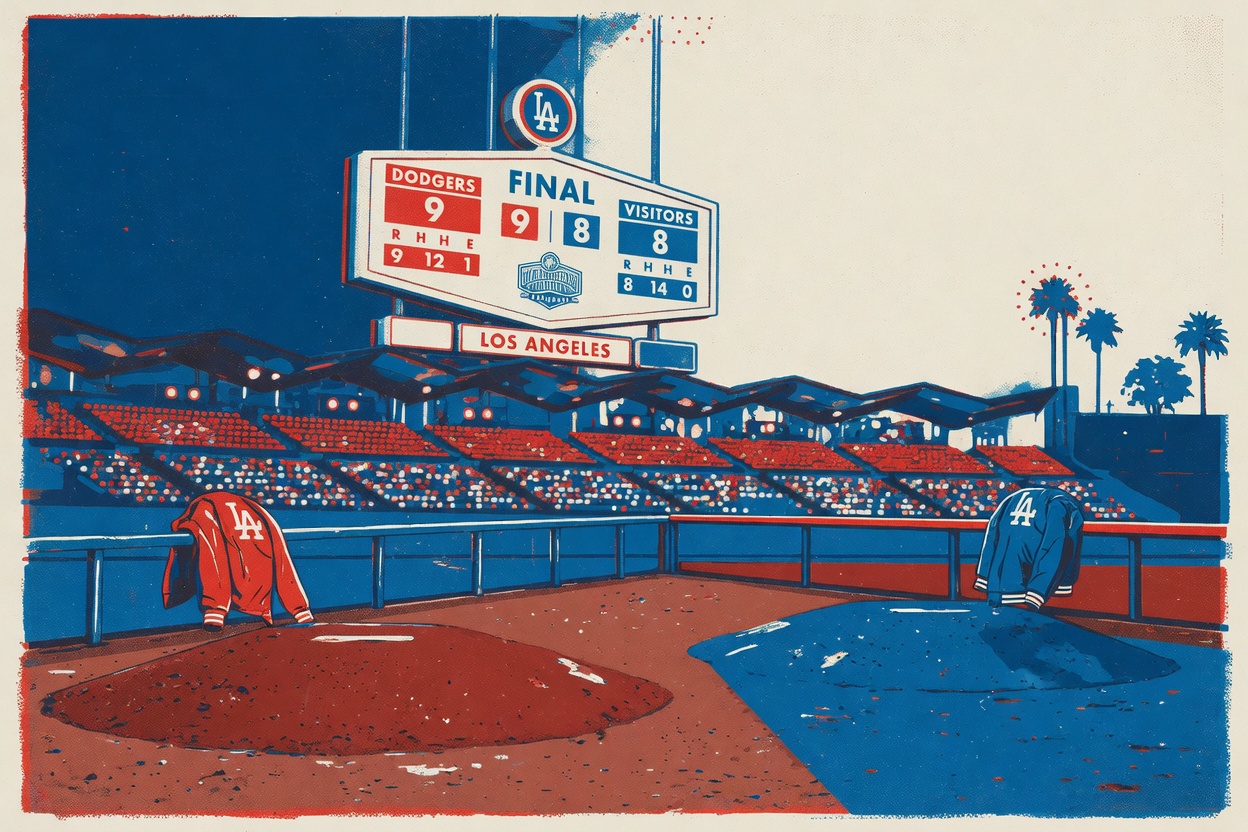
Riley O'Brien blew the save in the ninth, and Teoscar Hernández's walk-off two-run double gave the Dodgers a 3-2 win to avoid the sweep on September 3. The real story is that by the time this series reached its finale, both bullpens looked cooked, and that should worry each team more than the final score does.

⚡ Upset:Cardinals had a 29% chance before first pitch and beat Dodgers 8–6.
 29%
29%
Look at how they got here. St. Louis opened the set by torching the Dodgers 13-8, with Jordan Walker and Thomas Saggese both going deep in a five-homer night for the Cardinals. Game 2 turned into a war. The Dodgers built leads of 3-0, 5-2 and 5-4, got a three-run blast from Freddie Freeman that snapped a long homerless drought, and still watched St. Louis claw all the way back to tie it in the eighth before Saggese won it with a go-ahead infield single in the tenth.
So when O'Brien blew the save and the finale turned into a walk-off, it made sense: the natural conclusion of a series where both rotations had already been shelled and both bullpens had already been asked to cover extra innings and blown leads in the two games before it. You don't throw that many high-stress innings in 48 hours and come out sharp. Managers on both sides were scraping the bottom of their bullpens by the time the finale mattered most, and it showed.
STL69-70If you're the Dodgers, this series is a red flag about depth, not a blip to shrug off. A lineup and rotation built for October can't trade haymakers with St. Louis for three straight games and still look fresh when the stakes rise. If you're the Cardinals, it's the opposite signal, and a good one: a team that hit its way through 13-8 and 8-6 track meets and still had enough left to match L.A. punch for punch in the finale has a lineup that can hang with anybody right now.
The home runs and the walk-off drama in Game 2 made for great theater. But the finale finishing level is the line I'd circle, a warning that both bullpens are running low on gas at exactly the point of the season when nobody can afford that.