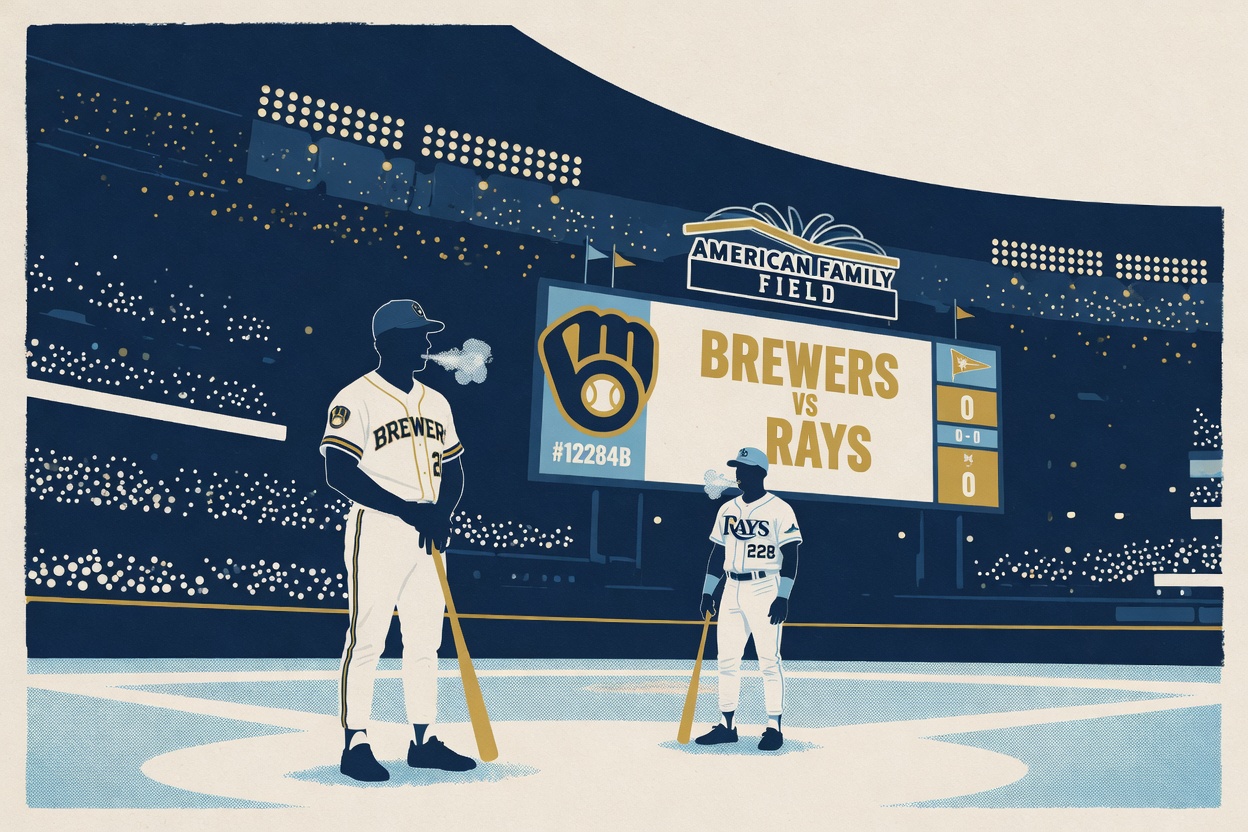
The Brewers are about to host a World Series for the first time since 1982, and the city is losing its mind over it. Good. They earned it, beating the Dodgers to reach the Fall Classic and carrying home-field advantage into Game 1 at American Family Field on Friday, October 23. The demand's real, the passion's real, and Milwaukee fans getting priced out of their own party stings.
The headline going around, that these tickets now cost more than the Super Bowl, isn't true. It's worth knowing how that claim got built before you get angry at the wrong thing.
The get-in price for Game 1 sat at $2,809 per seat on Monday, October 19, up a reported 41% over the previous three days and 165% over the week. That's a stunning number for a baseball game in MLB's smallest media market, a place that ranked 11th in league attendance this year. To make it pop even harder, the viral framing lined it up against a Super Bowl entry point of about $2,600 and declared a winner.
That $2,600 figure belongs to Super Bowl LIX, the Chiefs and Eagles in New Orleans in February 2025. A year ago, a different city, a different season's resale market. The most recent Super Bowl, LX, Patriots and Seahawks in Santa Clara this past February, didn't settle anywhere near $2,600. Its get-in ran well north of that: a cheapest ticket around $3,727 on one platform and $3,435 on another the Saturday before the game, a Vivid Seats get-in of $4,552 with a median around $7,497, and a floor that spiked as high as roughly $6,500 right after the matchup was set. Even the reporting that noted the World Series had passed the Super Bowl's get-in number admitted, a sentence later, that the World Series tickets cost less overall.
The only way to make "World Series Game 1 beats the Super Bowl" come out true is to race it against last year's Super Bowl and hope nobody checks the number on the trophy. Line it up against the actual most recent one and the whole thing flips.
There's a second problem, and it's the one the crowd keeps circling. There's no such thing as "the price." On the same day, trackers listed the cheapest Game 1 seat at $2,868, $2,842, $2,681 and $2,641, depending on which site you opened. One analyst checked SeatGeek early on October 19 and found a seat for under $900, then watched that same tier balloon past $2,800 within roughly a day. A get-in price is one listing at one blink of an eye on a market that moves hourly. Build a headline on it and you're reporting a snapshot as if it were a settled fact. The average tells a calmer story anyway: TickPick put the typical purchase at $5,846.26. That's the number real buyers are actually paying. The single cheapest seat is just one a bot hasn't grabbed yet.
The demand isn't fake. Fans are paying these sums because this is the kind of thing that happens to Milwaukee once every few decades, and people will empty an account to be in the building for it. It's a city that waited 44 years. The free market is doing exactly what it does when a scarce thing meets desperate want.
But "the fans want in badly" and "these tickets beat the Super Bowl" are two different claims, and only one of them is honest. The honest one needed no help. The dishonest one picked the wrong Super Bowl and quoted the wrong metric to make itself look true, and it traveled further because outrage always does. Milwaukee's ticket prices don't need an inflated comparison to be a story. Whoever reached for one didn't trust the real thing to be impressive enough.