Nine years is a long time to keep telling a story that the tape won't back up.
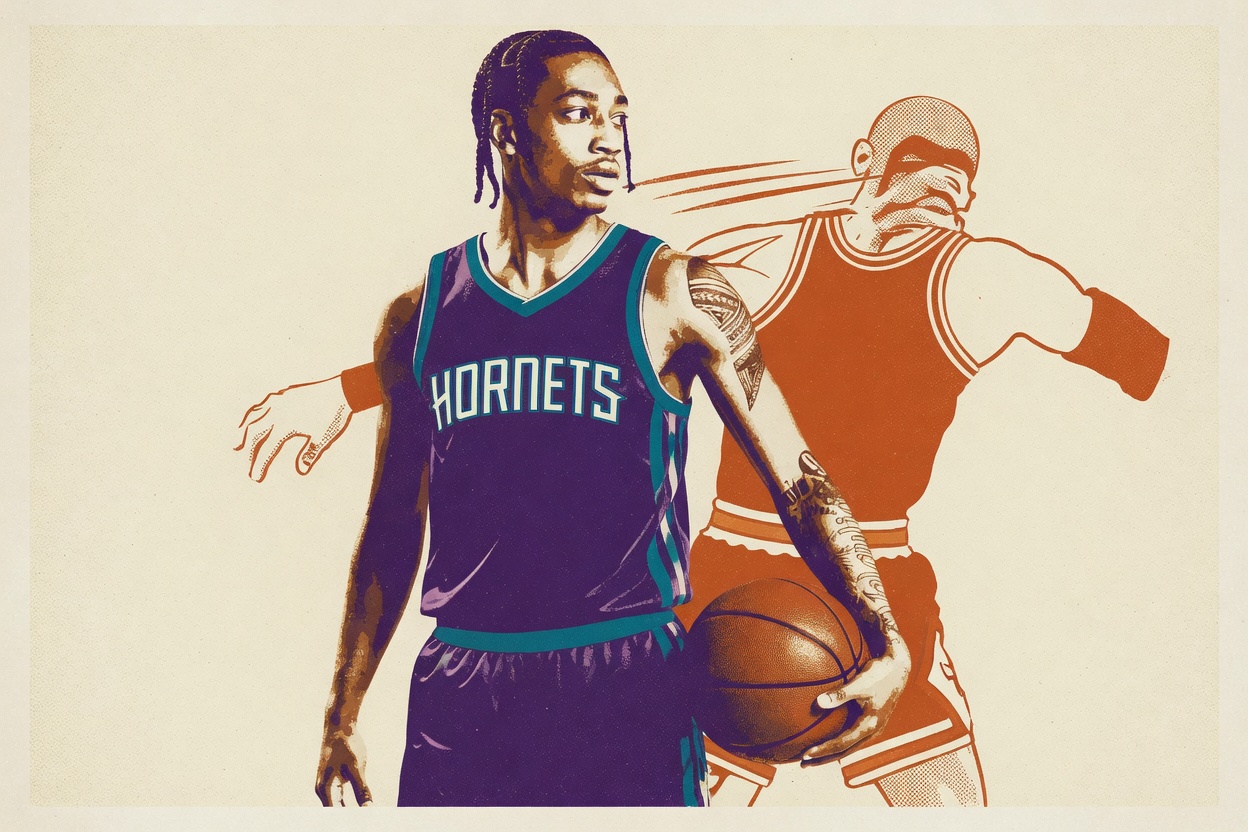
That's where Charles Oakley stands now. Judge Richard J. Sullivan handed Madison Square Garden summary judgment late on Aug. 14, 2026, ending Oakley's assault and battery claims for the third time, and it wasn't over a technicality. Sullivan wrote that Oakley "has produced no evidence to support his claim that he was assaulted by MSG security guards." He pointed to "videos from multiple angles and the unanimous testimony of every witness (even, to some extent, Oakley himself)." And he closed with a line that should sting: "No rational jury could conclude that Oakley reasonably feared being subjected to illicit physical contact, let alone that the Madison Square Garden intended to provoke such fear."
That ruling reads like a personal vendetta against James Dolan that Oakley has dressed up in legal clothing for the better part of a decade, and the courts keep declining to play along.
Go back to the very first ruling. Sullivan dismissed the case in February 2020 and said it "had the feel of a public relations campaign." That was six years ago, and the judge's instinct only hardened with time. This week he noted that after nine years of litigation, "an accumulated tidal wave of evidence" contradicts the allegations. When the same judge reaches the same conclusion at the beginning and the end, the middle starts to feel like theater.
The evidence problem is glaring, too. This didn't happen in a back hallway. Sullivan stressed that only one witness, Oakley himself, supports the assault claim, even though it unfolded "in the middle of Madison Square Garden and in front of 19,000 fans and scores of video cameras." John McEnroe was sitting a few rows away, a couple of seats from Dolan, and testified. Cameras were everywhere, and the number of people backing Oakley's version is one: him.
The money tells its own story. Last October, a magistrate judge ordered Oakley to pay $642,337.65 in attorneys' fees and costs to MSG-affiliated entities. Courts don't hand six-figure fee bills to people they think are the wronged party. That was a flare going up before the final ruling ever landed.
Oakley has been right before, twice, so credit where it's due. The Second Circuit tossed him a lifeline more than once, reviving his assault and battery claims after Sullivan dismissed them. A three-judge panel once concluded a jury could decide whether guards improperly threw him to the ground. His lawyer's confidence isn't pure bluster: Douglas Wigdor says "there are conflicting accounts and only a jury can decide what exactly happened," and he's "hopeful that the Second Circuit will agree for a third time." The case isn't technically closed. There's an appeal coming and motions still pending, so this is the current state of play, not a final chapter.
But that appeals history cuts both ways. The same appellate court that saved Oakley twice also rejected his defamation and false imprisonment claims. Dolan, the man Oakley really wants, got dropped as a defendant. What's left is the narrow assault-and-battery core, and that's the piece Sullivan just found no evidence for. Each revival has come back thinner than the last, and surviving isn't the same as proving your case. He hasn't.
Then there's the manuscript. MSG has alleged Wigdor edited Oakley's memoir draft, changing "slipped" to "was eventually pushed down by Dolan's guys" and "someone" to "Dolan," edits the company called "not minor edits at the margins." Wigdor disputes that, insisting "the final version of the book is consistent with Oakley's testimony as well as the evidence." Take that dispute for exactly what it is, a dispute. But when the judge himself cites "the first draft of the plaintiff's own autobiography" as part of the evidence contradicting the allegations, you understand why MSG now says it's going after Wigdor's firm for "years of frivolous litigation."
What gets lost in all of this is the thing worth protecting: Charles Oakley the player. Ten seasons in New York from 1988 to 1998, roughly ten points and ten rebounds a night, an All-Star nod in 1994, two All-Defensive teams. He was exactly the kind of hard-hat Knick the Garden should be honoring on a banner, not battling in a courtroom.
The part that should really sting: the Knicks just won their first championship since 1973, beating San Antonio in five games, with Jalen Brunson taking Finals MVP, and Oakley wasn't in the building for it. One of the toughest Knicks who ever laced them up spent the franchise's crowning moment on the outside, because the fight matters more to him than the reunion. Oakley, meanwhile, posted an old playing-days photo with the hashtags "#ItsNotOver" and "#JuryTrial."
Maybe it isn't over. Maybe the Second Circuit revives him a third time and this drags into a second decade. But three judges have now looked at the same footage and reached the same verdict, and at some point refusing to accept that stops being principle. Nine years in, this is a man who can't put down a grudge, and every court that's seen the tape has told him so.