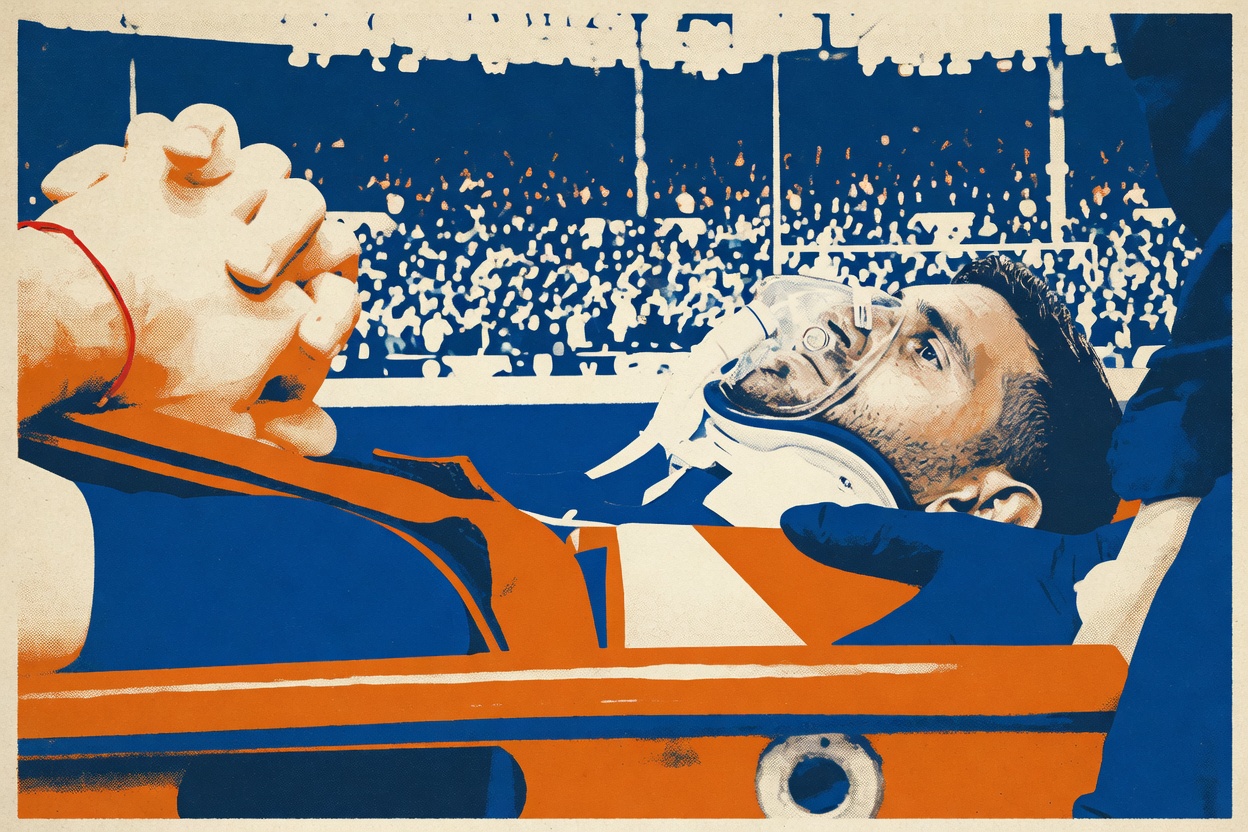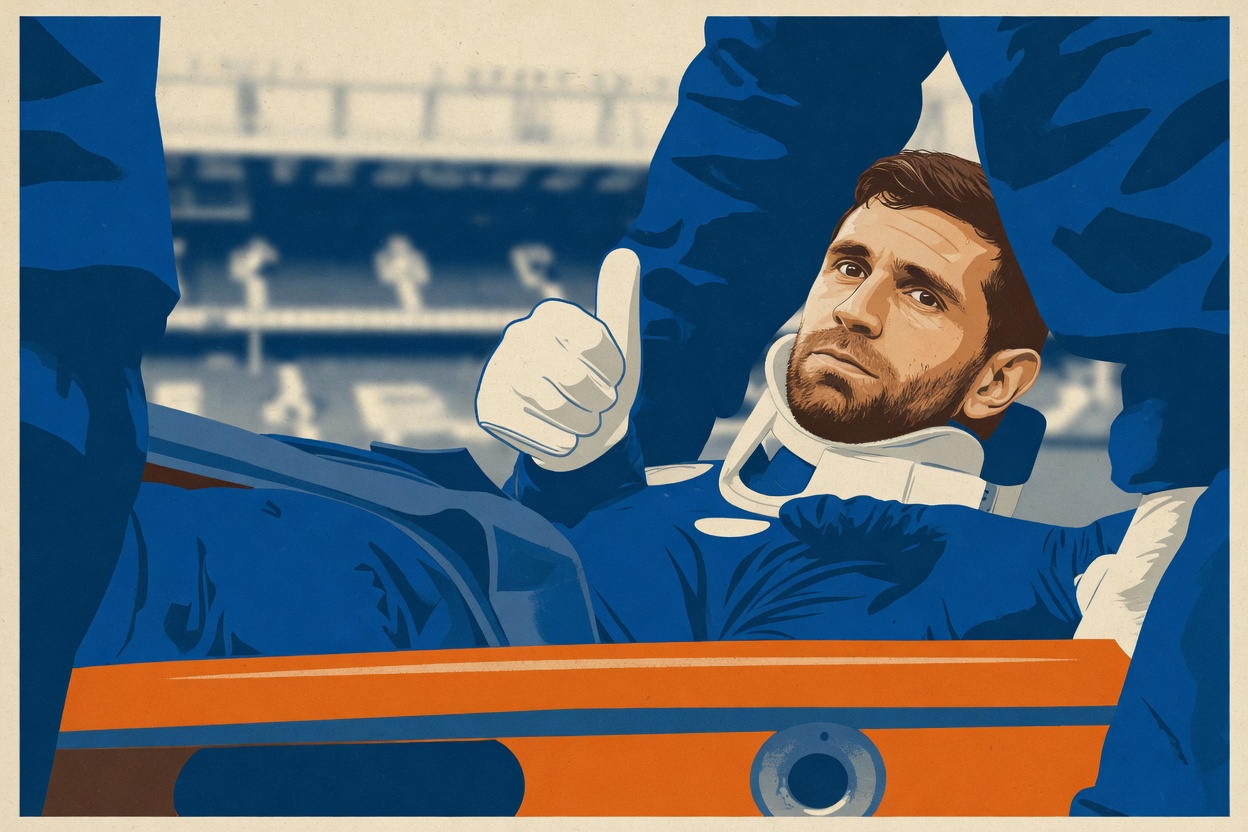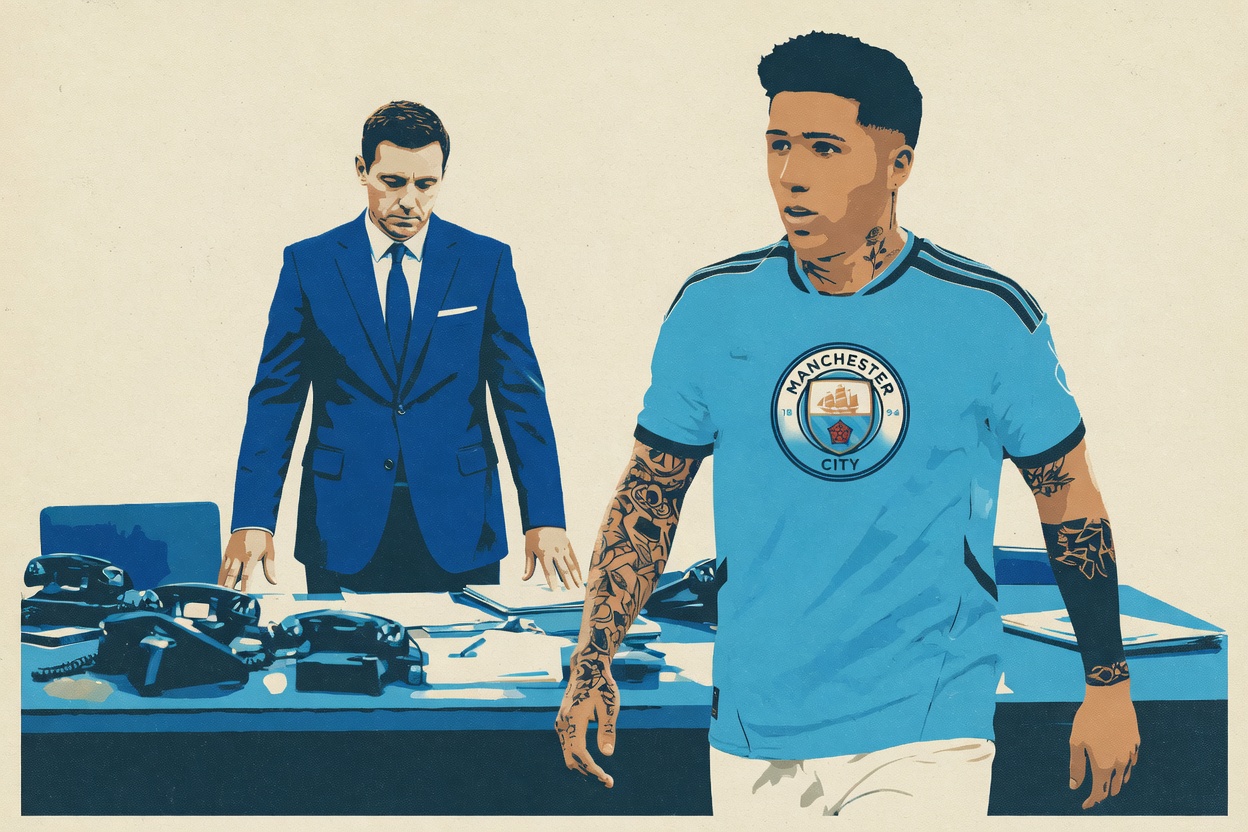
Forget the version of this story where Chelsea calmly replaced one midfielder with another. That's not what happened. On deadline day they sold Enzo Fernandez to Manchester City in a £125 million deal, agreed a £47m move for Lamine Camara from Monaco to fill the hole, and then watched that deal fall apart before the night was out. They ended up with the sale and the profit, but nobody in the seat.
Fernandez, who Chelsea signed for £107m about three and a half years ago, had already been left out of the squad for their previous two matches under Xabi Alonso. He wanted City, where his old Chelsea boss Enzo Maresca now manages. So Chelsea cashed in for £125m, a fee that matched the British transfer record and turned an £18m profit on the deal. On its own, that's a defensible piece of business.
The trouble is what came next, and it exposes a club reacting instead of planning. Chelsea only moved hard for Camara after Fernandez's exit became imminent, and this wasn't some fresh idea born of foresight. Monaco had already rejected two Chelsea offers for the 22-year-old earlier in the window, plus a €45m bid earlier on deadline day itself. When Camara wouldn't come cheap, Chelsea briefly turned to Manu Kone, only for Roma to shut that down. That's not a shortlist. That's a club knocking on doors as they close.
What should worry Chelsea fans most is why the Camara deal came together at all. It wasn't Chelsea's charm or their planning. Monaco lowered their asking price only because Folarin Balogun failed his medical ahead of a move to Everton, and Monaco suddenly needed to raise funds before the deadline. Chelsea's replacement for their record signing existed only because someone else's transfer had gone wrong. Lean your whole night on that kind of luck and you deserve what comes next.
What came next: Everton renegotiated the Balogun deal, agreeing to pay less up front and submitting a deal sheet to finish after the deadline. That gave Monaco their money back and their reason to walk. They pulled the plug on Camara, who by then had completed a medical and agreed a six-year contract with Chelsea. There was, by Chelsea's own account, a full written club-to-club agreement. Didn't matter.
Chelsea are livid, and that's fair. Fabrizio Romano posted that the deal was off and that Chelsea were "FURIOUS," calling it "a deeply unprofessional way to conduct business." David Ornstein reported the move "collapses" after Monaco "reneged." Sky's sourcing was blunt: "Chelsea have not been able to sign a replacement." Romano later said the relationship between the two clubs is "completely broken." As a grievance, it's legitimate. Monaco tore up a signed agreement. That's a bad look for them.
But being wronged and being smart are two different things. A club with a coherent plan doesn't hang its entire deadline-night midfield strategy on a deal whose price only dropped because of a completely separate transfer falling apart. It doesn't leave itself without a backup when the first two names get blocked. The anger's real, but the exposure was self-inflicted.
There's one more wrinkle, though it's less pinned down than the Camara collapse: reports after midnight suggested the Balogun move to Everton also fell apart, with the striker leaving without completing the transfer. If that holds, Monaco blew up a signed agreement with Chelsea to fund a sale that then didn't happen either. Everybody scrambling, nobody landing anything.
Call it a smart trade if you want to be generous about the Fernandez number. I'll call it what deadline night actually showed: a club that sold its most expensive player and then improvised the fix in real time, at the mercy of other people's deals, and finished the window with the hole still open. There's always January. There's also a pattern here that no amount of profit on Fernandez papers over.