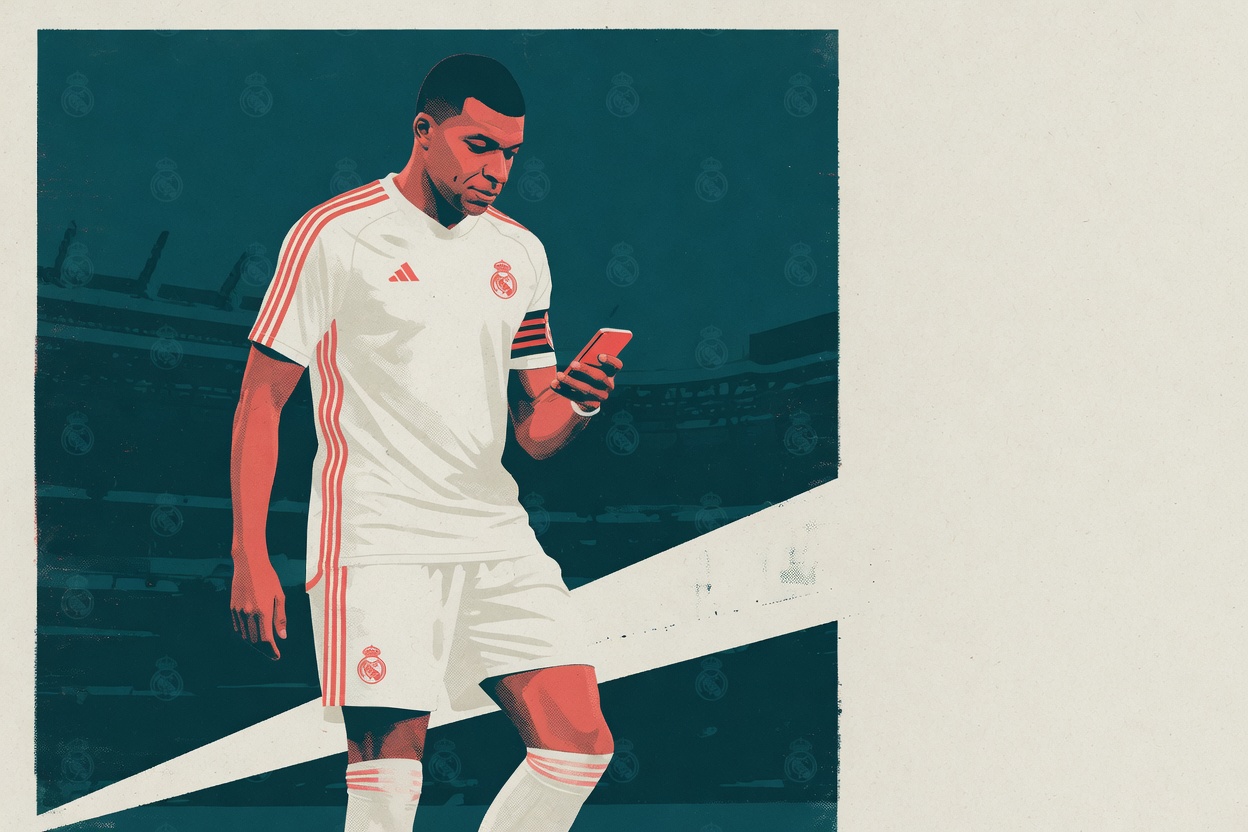
Kylian Mbappé made a bad joke about a meme of his own face, and within days a chunk of China's internet decided he no longer exists. That's a wild overreaction to a minor comment, and almost nobody involved in punishing him comes out of this looking good.
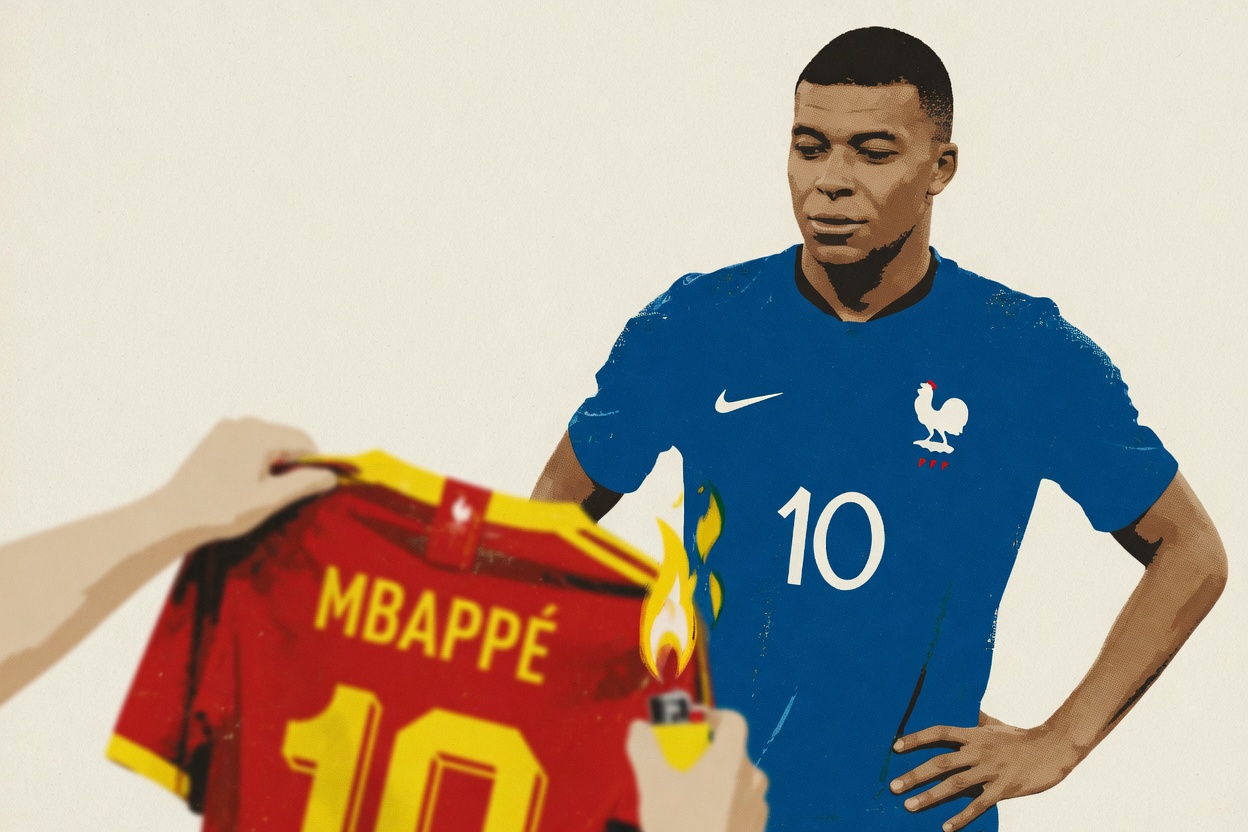
Start with what he actually said. On the French talk show "The Bridge," Mbappé described a meme that photoshopped his face onto a picture of Mao Zedong and called Mao "some guy, I think he's a Chinese dictator." The "dictator Mbappé" meme already existed, aimed squarely at mocking him and his influence at Paris Saint-Germain. So the entire offense is a 27-year-old footballer laughing at a doctored image of himself and reaching for an accurate word to describe a long-dead chairman. That's the whole crime.
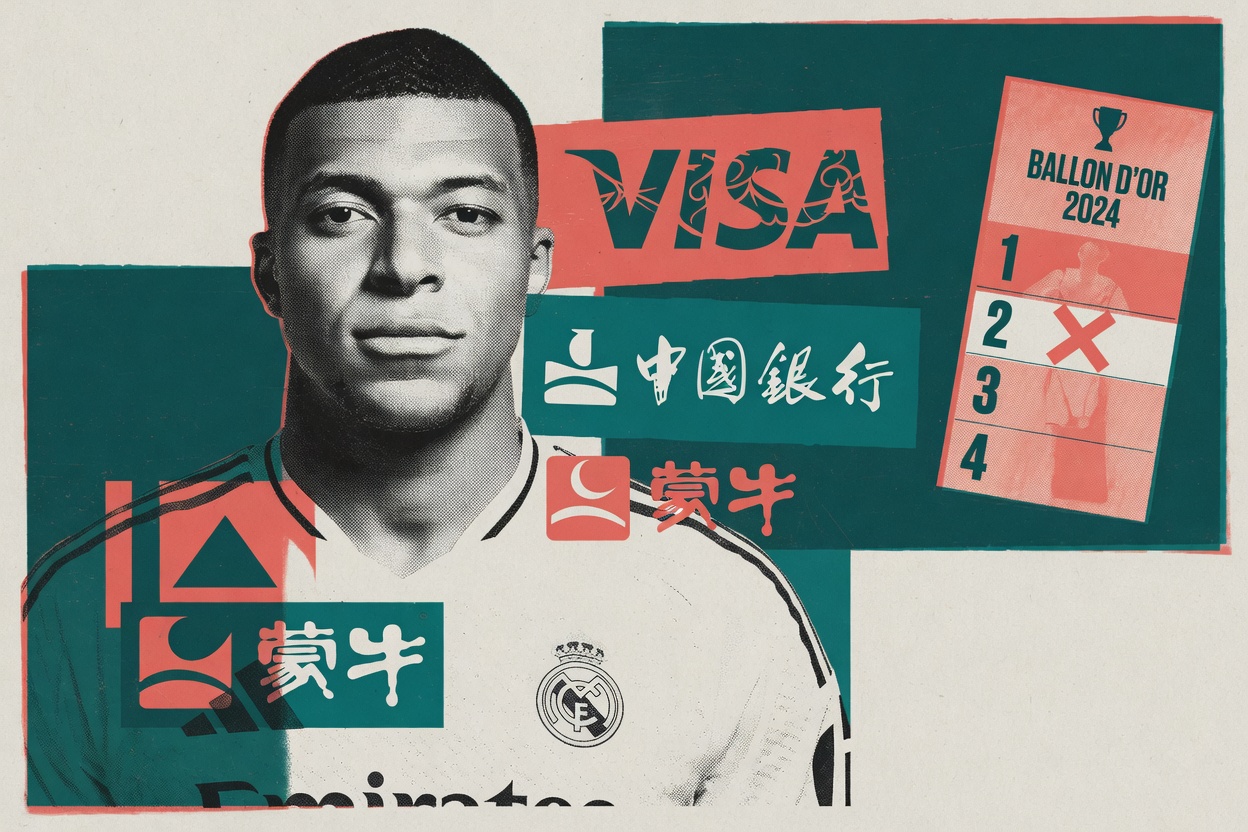
Look at how the punishment arrived. Xiaohongshu, the app known abroad as RedNote, froze his account. Weibo did the same, posting a notice that the user had been banned for violating laws or its community convention. Then the dominoes: beverage maker Dongpeng, dairy giant Mengniu and cheese maker Milkground all ended their deals, each parroting the same line about opposing "any words and actions that hurt national sentiment." Global brands including Dior, Rimowa, Nike, Hublot and On Running quietly pulled his promotional content from Weibo. Chinese state media said La Liga broadcasts would be suspended.
The tell is the speed and the choreography. These are supposedly independent platforms and independent companies, and they moved in near-identical language inside a day or two, right after China Media Group, CCTV's parent, made its displeasure public. When Real Madrid first tried to stay out of it, telling a Spanish outlet it didn't think a "personal expression" would affect commercial ties, CMG publicly rejected the club's attitude and said that until an apology came, "all other discussions are off-limits." Madrid folded roughly a day later with a formal apology to "the Chinese people." La Liga president Javier Tebas apologized too and met China's ambassador to Spain. A market got shown exactly where the line was, and every player on it scrambled to stand behind it fast.
Mbappé did the only sensible thing, and fast. He apologized on October 27, saying his comment was "ill-judged" and that he had "deep respect for the Chinese people and their history." China's foreign ministry said it took the apology "seriously," about as close to acceptance as officials get. The diplomats stayed measured, even as the machinery beneath them didn't.
This is the part that kills any pretense that this was ever about wounded national dignity. The pile-on turned openly racist, with online comments comparing Mbappé to "a chimpanzee with powerful muscles but a simple mind." You don't get to claim the high ground of hurt feelings while that's trending under your boycott. The sports site Dongqiudi flatly refused to even translate his remarks for its readers, saying only that he had caused offense. So a large share of the people demanding his cancellation were reacting to a scandal they weren't allowed to read. Confused users on Weibo said as much, unable to find a single post explaining what he'd actually said. Manufacturing outrage over a comment while hiding that same comment is a neat, ugly trick.
Maybe this is a closed information system where a few sparks catch fast and spread on their own. But the burden of proof runs the other way when a state broadcaster speaks first, two platforms act in lockstep, three sponsors issue matching statements, and a club the size of Real Madrid reverses itself overnight. Isolation might explain some of the noise, but it doesn't explain the coordination.
The coordination has a price tag, which explains why Madrid and La Liga caved so completely. International broadcast rights were valued at 748 million euros for the 2024-25 season, with a La Liga source saying China and the United States finance the majority of that. Real Madrid reportedly makes between 10 and 15 percent of its merchandise sales in China, where Mbappé's shirt is said to be the top seller. The sponsorships actually lost are small money by comparison. The leverage is the broadcast and merchandise exposure, and the moment it was threatened, principle evaporated from Valdebebas in about 24 hours.
The backlash is grossly disproportionate: erasing a man from a national internet, a league's broadcasts and three ad campaigns, over a joke about a meme. So far, CMG hasn't resumed La Liga broadcasts or lifted the account restrictions. The lesson here is about how quickly access to one market can be switched off, and how fast the richest club in the world will apologize when someone reaches for the switch.