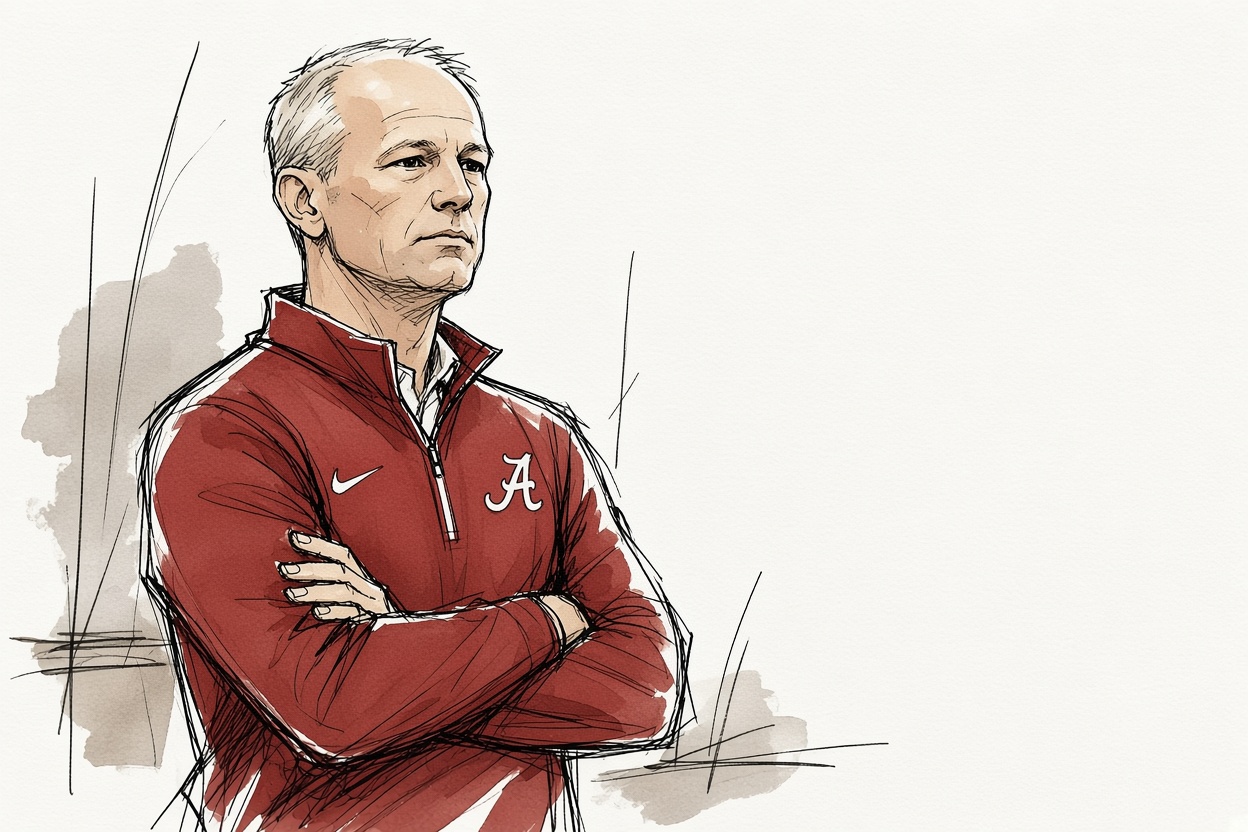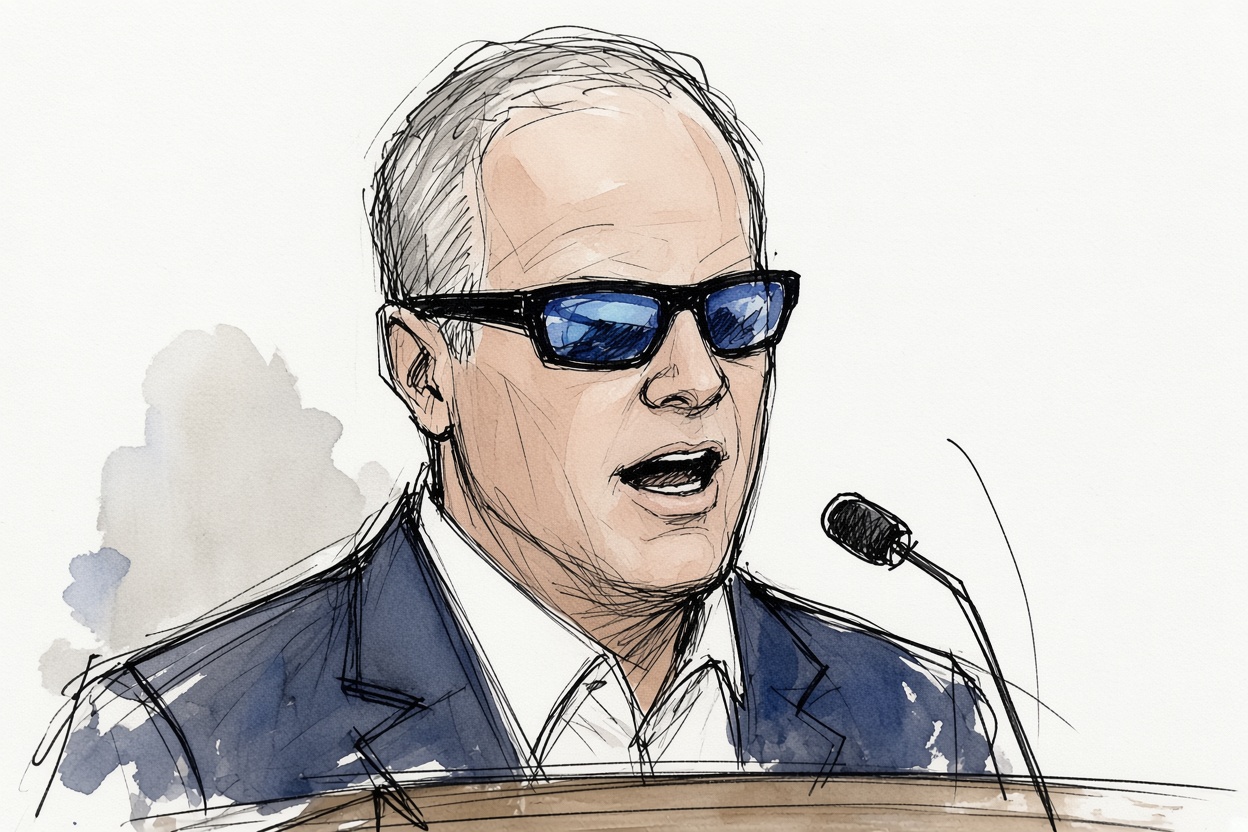

Yes, a college coach can bench a paid player purely for production, and anyone offended by Curt Cignetti saying so out loud hasn't caught up to what college football actually became.
That's the real question underneath the soundbite. Whether Josh Hoover personally deserved it is a separate argument. "I think Josh has handled it like a veteran," Cignetti said on Monday, two days after Indiana beat USC. Then came the line everyone's mad about: "It's a production-oriented business, and these guys get paid. So, feelings, it ain't about feelings. It's about the team being the best they can be." People are calling that cruel. It's really just honesty about a deal the players themselves pushed for.
The entire case for soft handling rested on one premise: these were unpaid amateurs renting out their bodies for a scholarship and a dream, so coaches owed them patience and loyalty in return. Fine, but that premise is gone. Revenue sharing and NIL turned roster spots into contracts in everything but the name on the paper, and the moment you're drawing real money to play quarterback, you've signed up to be judged like everyone else who gets paid to perform. Nobody calls an NFL coach a monster for benching a kicker who stops making kicks. The "feelings" framing only stings here because college sports spent a hundred years pretending it wasn't a business. It is one now, in the open, and the athletes are the ones who went to court and to the statehouse to make it one.
Cignetti didn't even swing the axe the cold way. He let Hoover ride out a rough patch. By the coach's own account, Indiana thought about making a move earlier and held off. He only pulled the trigger at halftime against Minnesota, down 10-7, with the season in the balance, and Grant Wilson rallied them to an overtime win. Then he stuck with Wilson, who started against USC and kept Indiana's playoff case breathing. Hoover was healthy that day and still didn't play. That's the point: this was about who gives the team the best shot. Cignetti hasn't buried the guy either. He's praised how Hoover handled it and left the door open for him to win the job back if the production says so. That's the same standard applied in both directions, which is just coaching.
The football case itself isn't airtight. Hoover had a strong opening month, then got banged up in a couple of games, by Cignetti's own admission, and his play dipped around the same stretch. How much of the drop was the knocks and how much was fit, the coach has stayed deliberately vague about, so anyone claiming certainty about the cause is guessing. Hoover arrived from TCU with a reputation to watch too, a three-year run there that piled up 33 interceptions, which gave Indiana every reason to keep an eye on inconsistency. To his credit, he scrubbed that clean this year: two picks in nine Indiana starts. The specific call on Hoover, you can argue either way.
The bigger question isn't really a debate. A paid college athlete can be benched on production alone. The worry that this mindset poisons fan culture and strips players of development time misses the point: you don't get to collect the paycheck of a professional and the protection of an amateur at the same time. Pick one; the sport already picked for everyone.
So spare me the outrage aimed at Cignetti. He did the only honest thing left in a game that decided to pay its players like pros. He coached it like one.