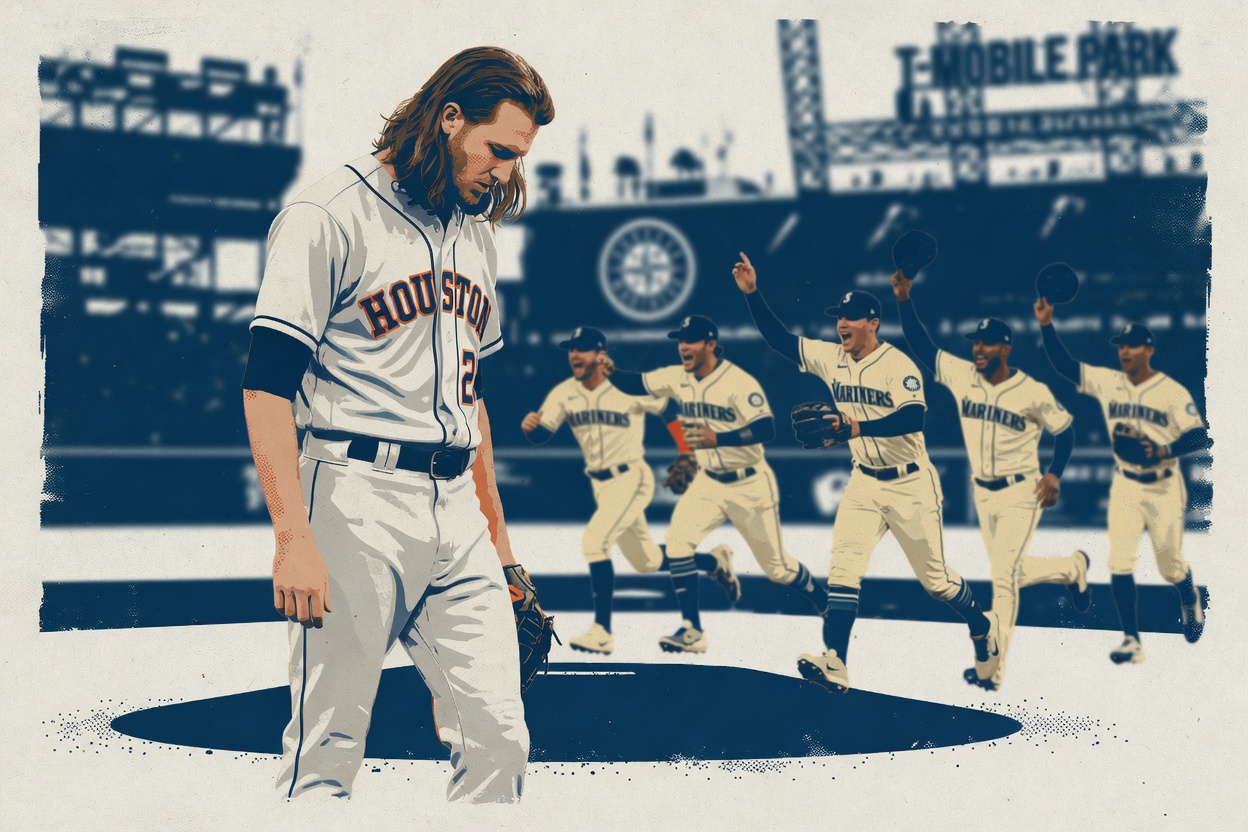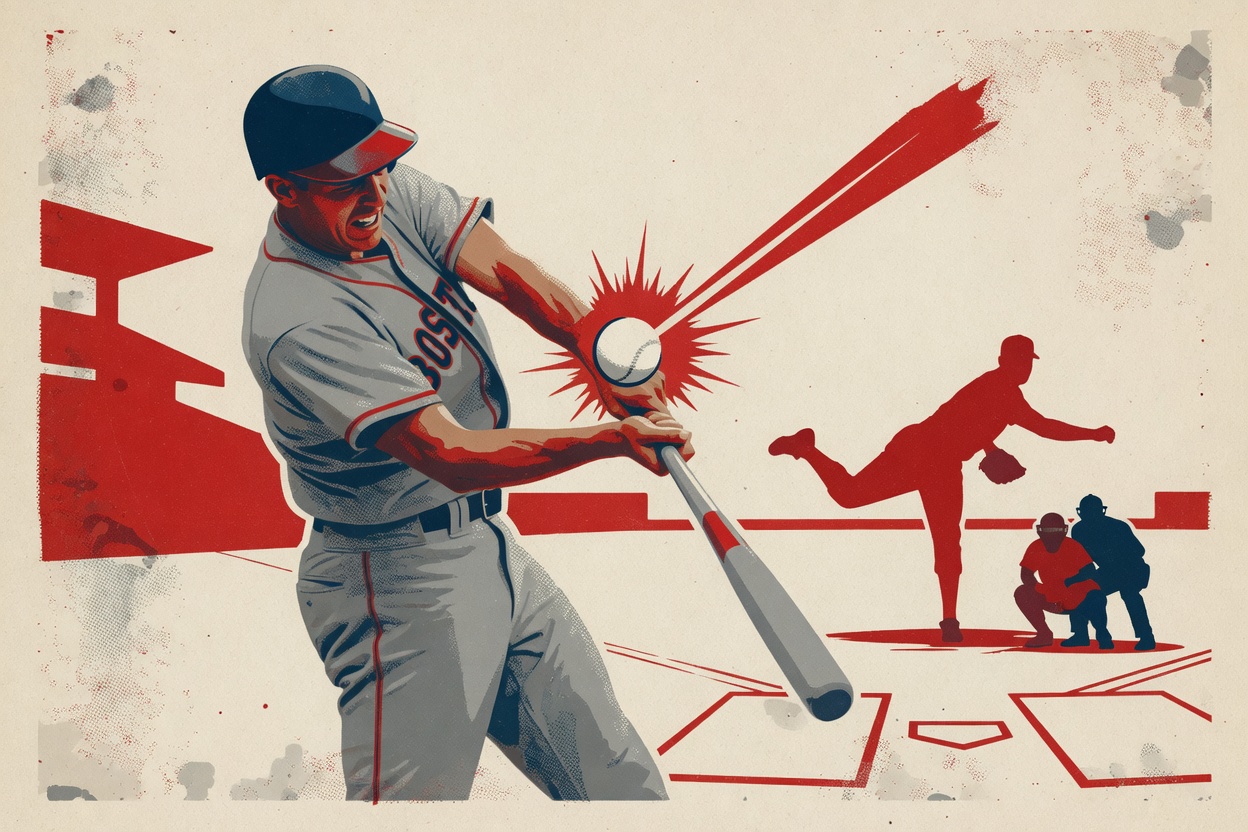
There's a particular kind of cruel comedy in baseball, and the Red Sox just lived it. On Saturday, July 25, Boston made what ESPN called the first major trade of deadline season, sending 24-year-old left-hander Connelly Early to Washington for infielder Curtis Mead. Two days later, in West Sacramento against the Athletics, Mead struck out looking in his first at-bat, then came back up in the fourth inning and took a 94.9 mph fastball from Jack Perkins on the left wrist. He exited in the bottom of the fifth. His entire Red Sox tenure, to that point, amounted to one game and a broken bone.
The initial read was hopeful. That night, X-rays came back negative and manager Chad Tracy offered the line every fan base wants to hear: "it looks like we dodged a bullet, maybe." By Tuesday morning, an MRI told a different story. A non-displaced fracture. Mead landed on the 10-day injured list, with Nick Sogard recalled from Triple-A Worcester to fill the roster spot. By Wednesday the news softened again: no surgery expected, a tentative timeline of six to eight weeks. With the regular season set to end on September 27, that math is unforgiving. If the injury drags toward the high end of that window, Boston may not see Mead again before the calendar and the standings decide everything for them.
Mead's own words landed the way you'd expect. "Yeah, challenging. Super disappointing," he said. "It doesn't feel real, happening in my first game [with the Red Sox]. There will be a break in between the next one." You feel for the guy. A pitch on the wrist isn't a scouting failure or a process failure. It's noise, the random cruelty of a sport played with a hard object thrown very fast at human hands.
So no, you can't pin the injury on the front office. But you can ask about the bet that put Mead in that batter's box, because that bet was getting side-eye before anyone reached for an ice pack.
Start with what Boston gave up. Connelly Early isn't a throw-in. ESPN described him as a well-regarded prospect whose five-pitch mix has produced sustained success over the first 21 starts of his big-league career. CBS Sports went further, noting he was one of the game's biggest breakout pitching prospects a year ago, that he started the win-or-go-home Game 3 of the Wild Card Series at Yankee Stadium, and that he'd pitched to a 3.44 ERA across 17 starts and 91⅔ innings this year before elbow inflammation shut him down. Boston traded away a young starter who was himself banged up in order to import a bat, and the bat got hurt worse.
Now consider what Boston got. Mead was on his fourth team in the last calendar year before Washington, and it was only with the Nationals that the tools finally showed up on the stat sheet: he hit .253 with 17 home runs before the deal. Real production, but a recent, only-just-arrived version of a player who'd bounced around. That's a defensible target. It's not, on its own, a slam-dunk acquisition worth surrendering a pitcher with postseason reps.
To be clear: this next part is opinion, not fact, since trade grades are subjective by nature. But analysts were already skeptical before the wrist. FanGraphs was blunt, writing that "the only way in which this trade can be viewed as a good decision for Boston is if you ignore the fact that alternatives existed." Sports Illustrated's trade-grade piece leaned the same direction, arguing that meeting a need on both sides doesn't make it an even swap: Washington got the better of the value, and the price Boston paid may not have been worth the return. When two independent outlets shrug at your deadline splash before the player even suits up, it's hard to write that off as noise.
The context is what turns a questionable trade into a cautionary tale. Boston's infield was already thin. The team let Alex Bregman walk to the Cubs in free agency over the winter and never truly replaced him at third, opting instead to patch the position with depth. Star outfield prospect Roman Anthony has been out for months with a wrist ligament injury dating to early May. Ace Garrett Crochet hasn't pitched since late April with shoulder inflammation and a lat strain. Into that fragile roster, the front office spent a real asset on a fix that evaporated in a single afternoon.
The timing stings more because of where Boston was. The team had ridden a franchise-tying 15-game winning streak earlier in the month, and as of early-to-mid August they were holding an American League Wild Card spot, though a recent series loss suggested the hot stretch had cooled. This was a club playing with house money and swinging aggressively to press its advantage. That instinct is fine. Contenders should add. The issue is that this particular piece was priced high, graded soft, and then vanished before it did anything.
None of this makes Boston's deadline a disaster on its own. A non-displaced fracture without surgery is close to the best-case version of a broken wrist, and there's a real chance Mead contributes down the stretch if that six-to-eight-week window holds on the short end. But the front office made a bet that a lot of smart people doubted, and the universe responded by removing the collateral from the table before the ink dried. If Mead comes back and mashes, this reads as bad luck and nothing more. If he doesn't, Boston will have paid a promising young arm for a highlight of a hit-by-pitch, and the questions that started as whispers in July will get a lot louder.