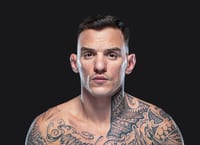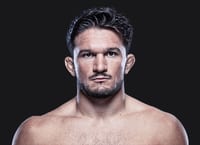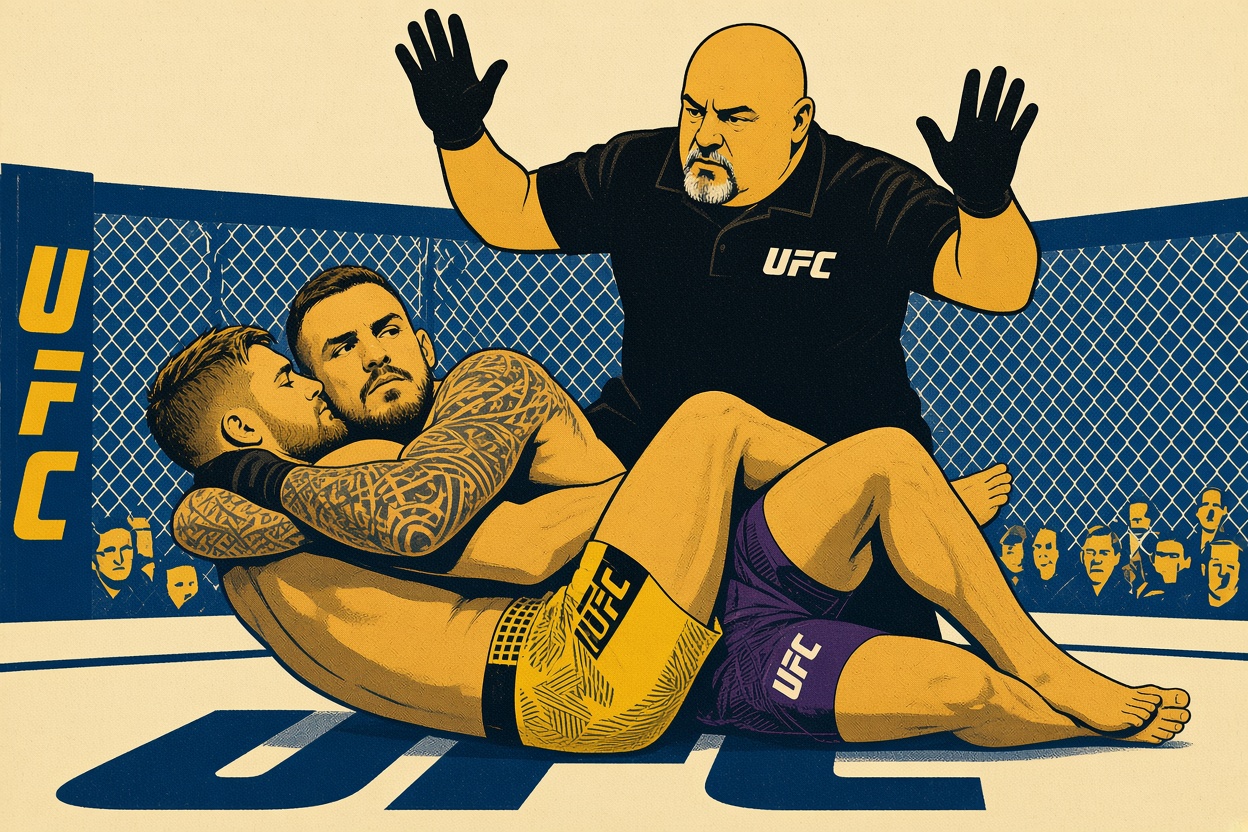
Dan Miragliotta stood a fighter up from full back control, hooks in, body triangle locked, while he hunted a choke, because the action had gone quiet. It's the most indefensible officiating decision you'll see in the UFC this year, and nothing that happened afterward changes it.
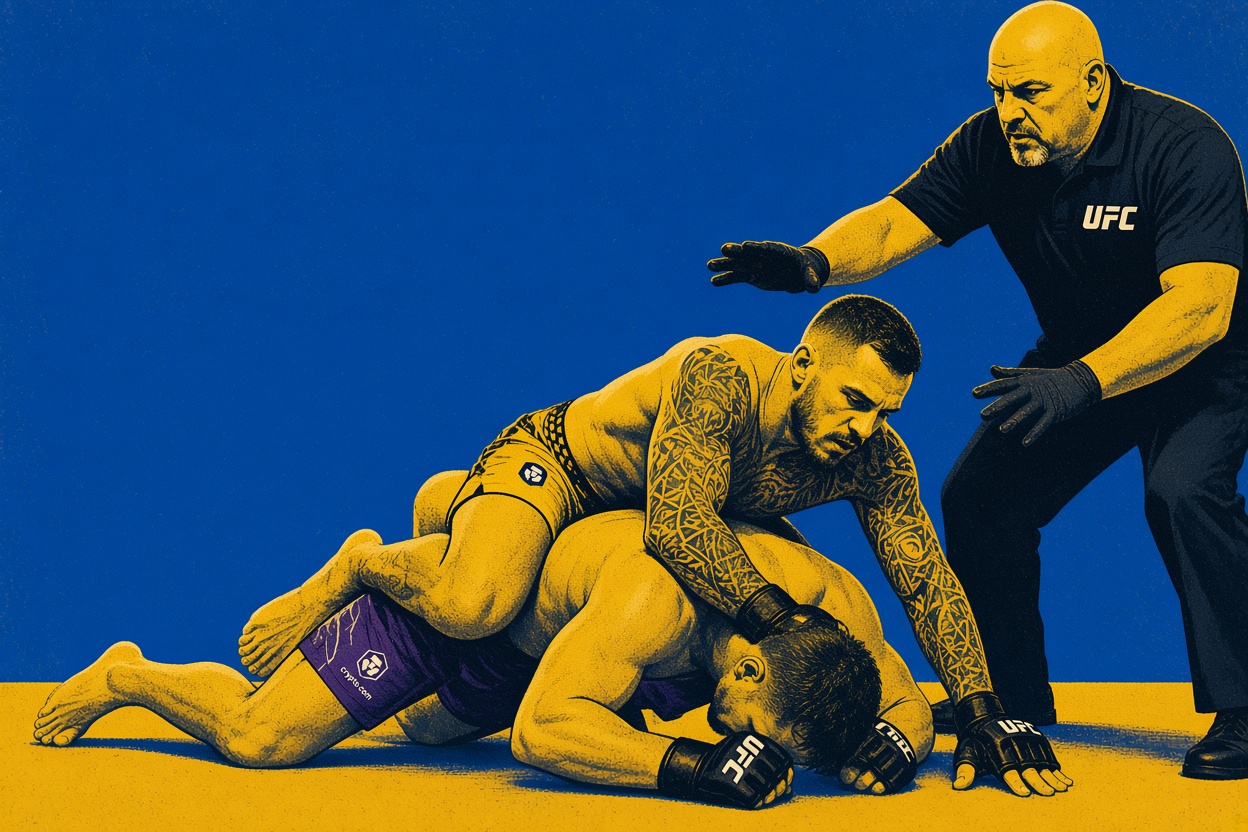
Here's what he threw away. In Saturday's UFC Vegas 123 main event, Renato Moicano had Tom Nolan's back on the ground late in the second round, body triangle cinched, working for the finish. By that point Moicano had piled up more than seven minutes of control time. Miragliotta decided the fighters should be on their feet instead. Moicano got caught with punches soon after, and Nolan reversed a takedown in the third, climbed on top, and hammered away with ground-and-pound and elbows until the fight was waved off at 1:28 of the round. The man who was one grip from winning got knocked out instead.
A stalling restart exists for one reason: to punish a fighter who is doing nothing. Moicano was doing the single most dominant thing you can do in a grappling exchange. You don't stand a man up from the back because a submission is taking a few seconds to land. He erased the most decisive position in the sport, and there was no gray area to misread.
Listen to the people who do this for a living. Daniel Cormier said a referee should "never take anybody off the back like that," that the positions are "just too dominant," and that the call "changed the entire trajectory of this fight." Joe Solecki put it flat: "You absolutely cannot stand up a fight from back control with a body triangle." Caio Borralho asked the obvious question, that we now "reward a guy not knowing how to get out of the back control and we just stand them up." Belal Muhammad called Miragliotta a "terrible ref." Henry Cejudo wants him suspended. Aljamain Sterling was, by all accounts, floored by it. When this much of the roster lines up on one side, that's real consensus. They understand what was taken.
The winner won't even touch the "bitter loser" defense. Nolan said plainly he wasn't angling for a reset, that he was only telling the referee about shots to the back of the head, and he admitted "I had a terrible performance" and that he couldn't do damage from the back because Moicano was defending well. The man who benefited the most knows exactly what he benefited from.
This fits a bigger pattern, and it doesn't need a conspiracy to be real. Miragliotta has done a version of this before. At UFC 142 back in January 2012, he stood Anthony Johnson up twice after takedowns, giving him under a minute on the ground each time, in a fight Johnson went on to lose. It got so ugly that Miragliotta had to publicly deny being leaned on by the UFC, insisting "The UFC never talks to us." Take him at his word on that. The problem is bigger than one referee who reaches for "stand them up" the second the ground work stops being loud.
The pattern runs through the whole promotion. When Charles Oliveira ran a grappling clinic on Max Holloway at UFC 326 this March, Dana White called the show a disappointment and admitted it changed how he thinks about matchmaking, even while conceding Oliveira did what he had to do to win. Oliveira had to defend himself by pointing out he dominated a five-round fight and calling the criticism "jealousy." Joe Rogan has spent years arguing fighters should never be stood up at all: "If you can't get up, tough sh*t." Demetrious Johnson has pushed for grapplers to restart rounds in the same position they earned. It's an incentive structure built up over years, no single person's fault. The replays and the bonuses point toward violence on the feet, and a referee soaking in that culture for years learns, without anyone telling him, that the floor is where fights go to get boring.
Officiating errors happen in every sport, and one wrong call on its own doesn't prove a grand bias. A blown point deduction or a slightly early stoppage, you'd shrug and move on. This is different: a referee removing the best position in grappling specifically because it was quiet, from a man who then lost his biggest UFC opportunity inside half a fight. That's the exact outcome the sport's whole value system quietly prefers, performed in real time.
Moicano is taking the high road. He confirmed his team will not appeal to the Nevada commission, that he's putting the result on himself, though privately he told Miragliotta to go do something unprintable to himself. As of now there's no commission ruling, no suspension, no formal UFC word on any of it. The person who got wronged is the one acting like an adult about it, which is backward.
Dan Miragliotta made the call, and it's on him. But the instinct behind it, that getting back to the feet is always the safe default even when a man is finishing a fight on the mat, was built and tolerated by a promotion that markets grappling as the boring part. Moicano shouldn't have to be the only grown-up in this story.