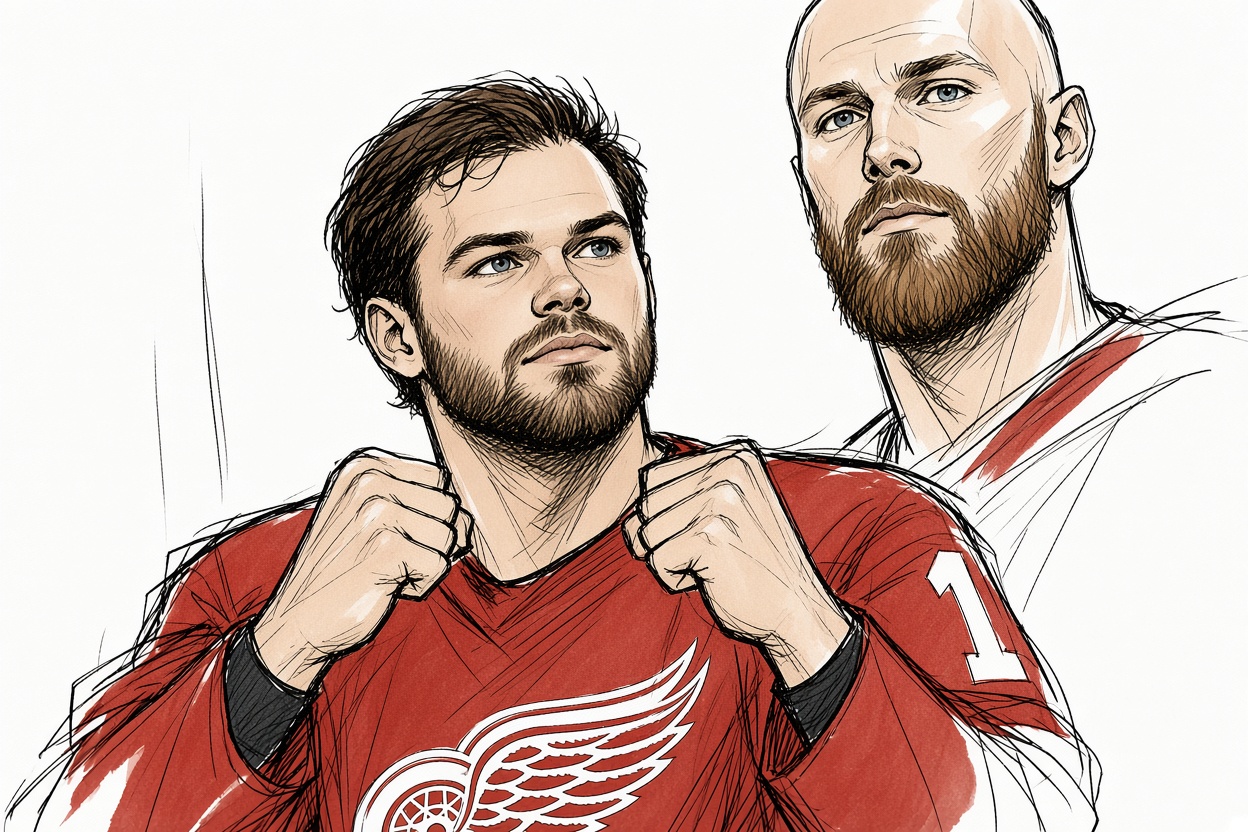

Players like Dylan Larkin and Connor Hellebuyck are justified in forcing their way out when the losing becomes the whole plan and the front office stops showing them a real path to a Cup. Erik Johnson's grievance, delivered on Thursday night's broadcast of the Red Wings-Panthers game, is pointed at the men with the least power in the whole arrangement.
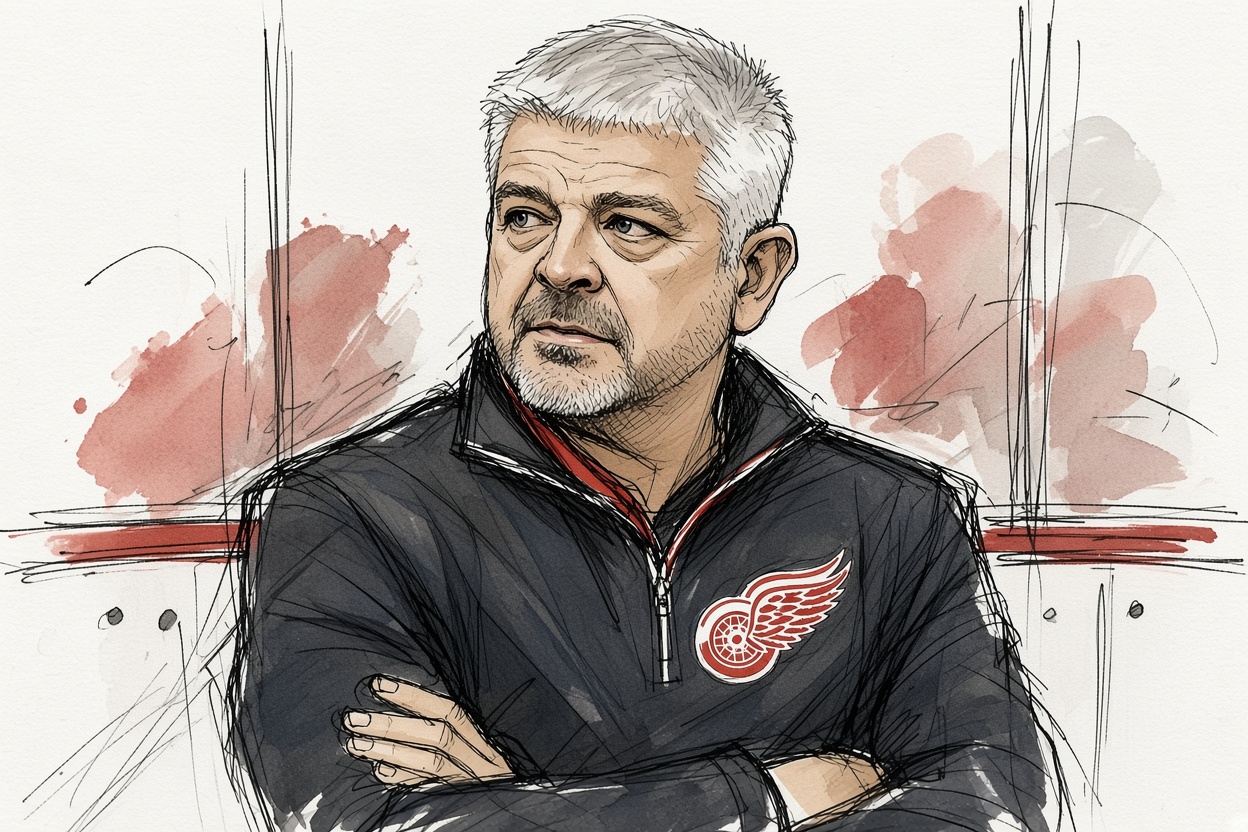
Johnson's words were blunt. "Dylan Larkin, I can't stand these guys halfway through their contracts that they signed in good faith with their team," he said. "Now bailing ship and wanting to go for greener pastures. This isn't exclusive to Dylan Larkin. Lots of guys around the league are doing it." It's a clean, quotable line. It also treats a contract as a one-way loyalty oath, sacred when a player wants out and silent on whether the team owes him anything in return.
The tell is Johnson's own example. He reached for Matt Duchene, who asked out of Colorado and got moved. "But the core guys of the team, Gabe Landeskog, Nathan MacKinnon, we went to Joe Sakic, we said, get him out of here," Johnson said. "We ended up being rewarded for that." The player asked out, the organization handled it, got a return, and the team came out fine. That's a trade request that worked the way it should.
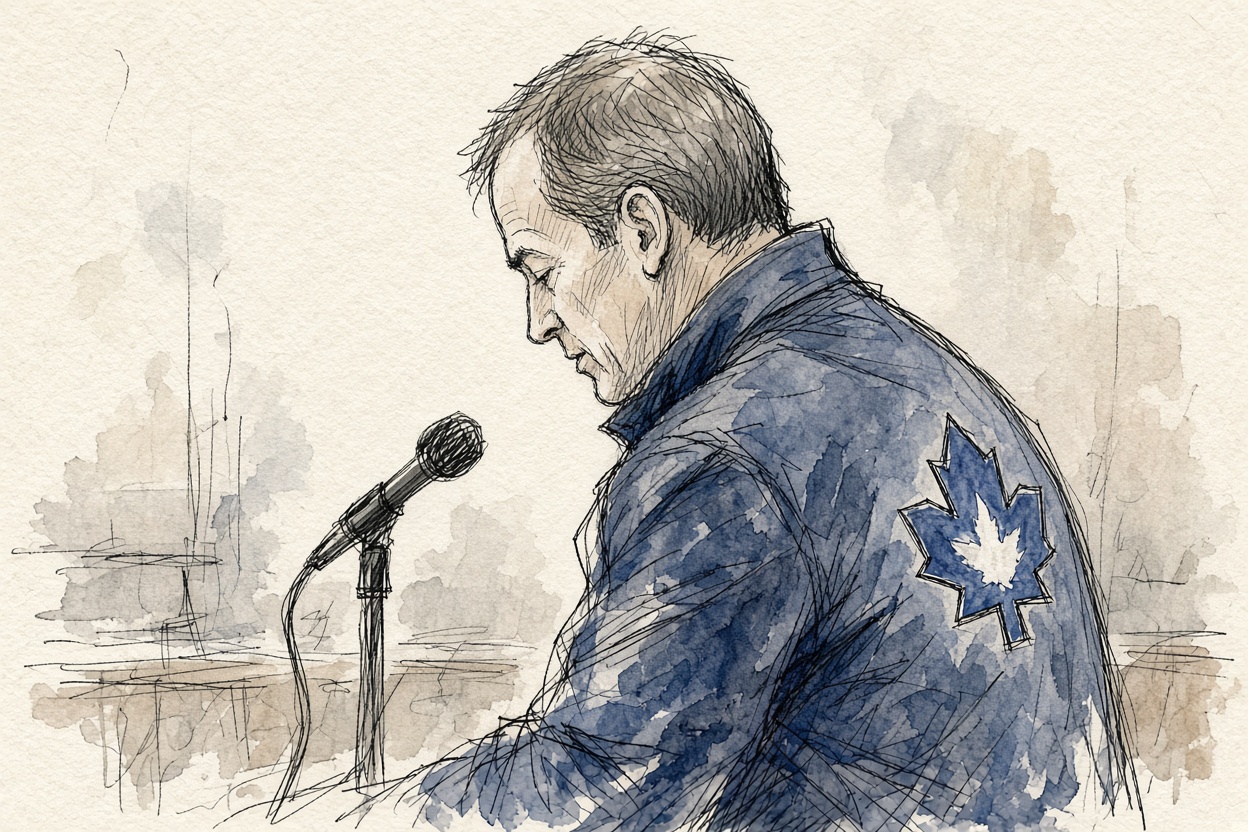
Now take the two names Johnson actually wants you mad at. Hellebuyck signed a seven-year extension with Winnipeg in October 2023 that runs through 2030-31. He'd finished two seasons of it before he asked out and got dealt to New Jersey this past October. "Halfway" is doing heavy lifting there, because he was nowhere near halfway. He was one of the best goaltenders alive, watching a window open and shut in Winnipeg without a ring to show for it. Larkin holds full trade protection through 2027-28, which he negotiated and which the Red Wings agreed to. He gave Detroit a ten-team list. They asked his camp to expand it. Agent Pat Brisson said no, that ten was already more than the three they started with. As of this week Larkin had returned to play in Detroit and still wanted a move, and nothing about it is resolved.
The clubs control these careers. A no-trade clause is the only real leverage a star has in a system built almost entirely in the team's favor, and he pays for it with money left on the table at signing. He can't fire the GM, make the owner spend, or bench the coach when none of it works. When the rebuild drags and the roster never arrives, using the one tool he bought and paid for is just the system doing what it was built to do.
Johnson does draw one honest line. Nikita Kucherov is in the final year of his deal, and Tampa's Julien BriseBois has said flatly there's "no intention of trading Nikita." A player wanting out in a contract year from a team that still wants him is a different animal from a captain stuck years deep in a true rebuild. Not every request is equally sympathetic. But lumping Larkin and Hellebuyck into one undifferentiated "entitled" pile lets Detroit's and Winnipeg's front offices skate on the years of mismanagement that got everyone here.
Johnson even admitted on air that there's more to these situations than the public knows, and that he'd spoken that morning with Brisson. He said it, then kept swinging anyway. Forget his nostalgia. The smarter model is what Macklin Celebrini and Connor Bedard did: both signed five-year extensions that walk them to unrestricted free agency while they're still young, so they never have to sign the eight-year "trust us" deal and hope. Blame the players if it makes you feel better. The teams that promised everything on paper and delivered nothing on the ice are the ones who earned this.