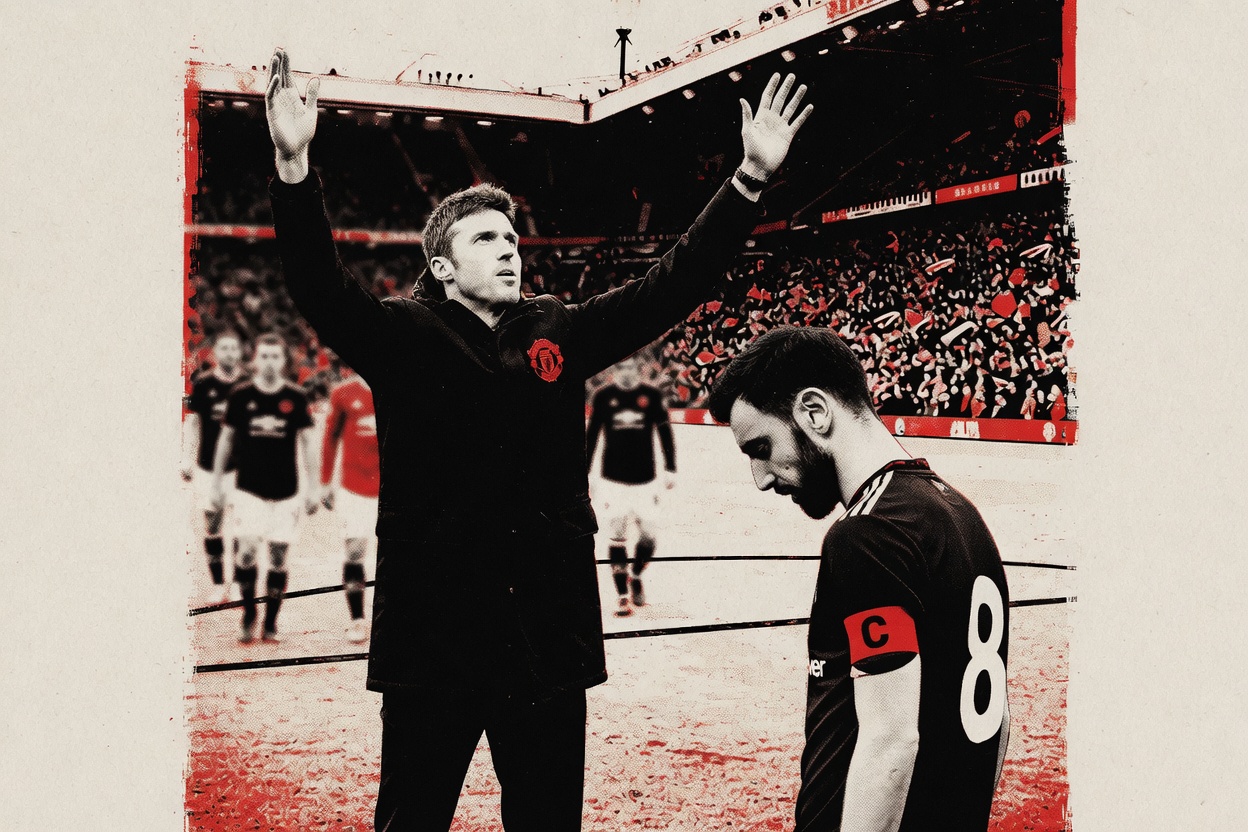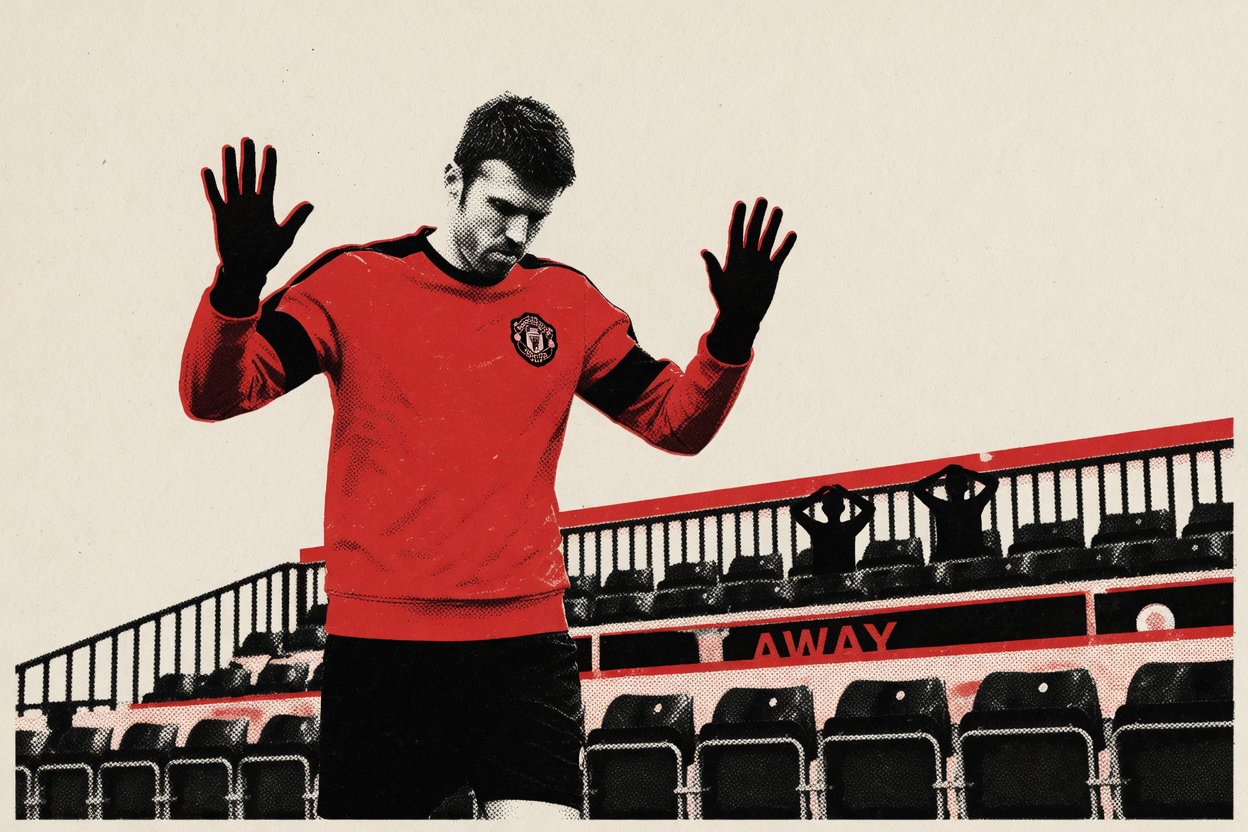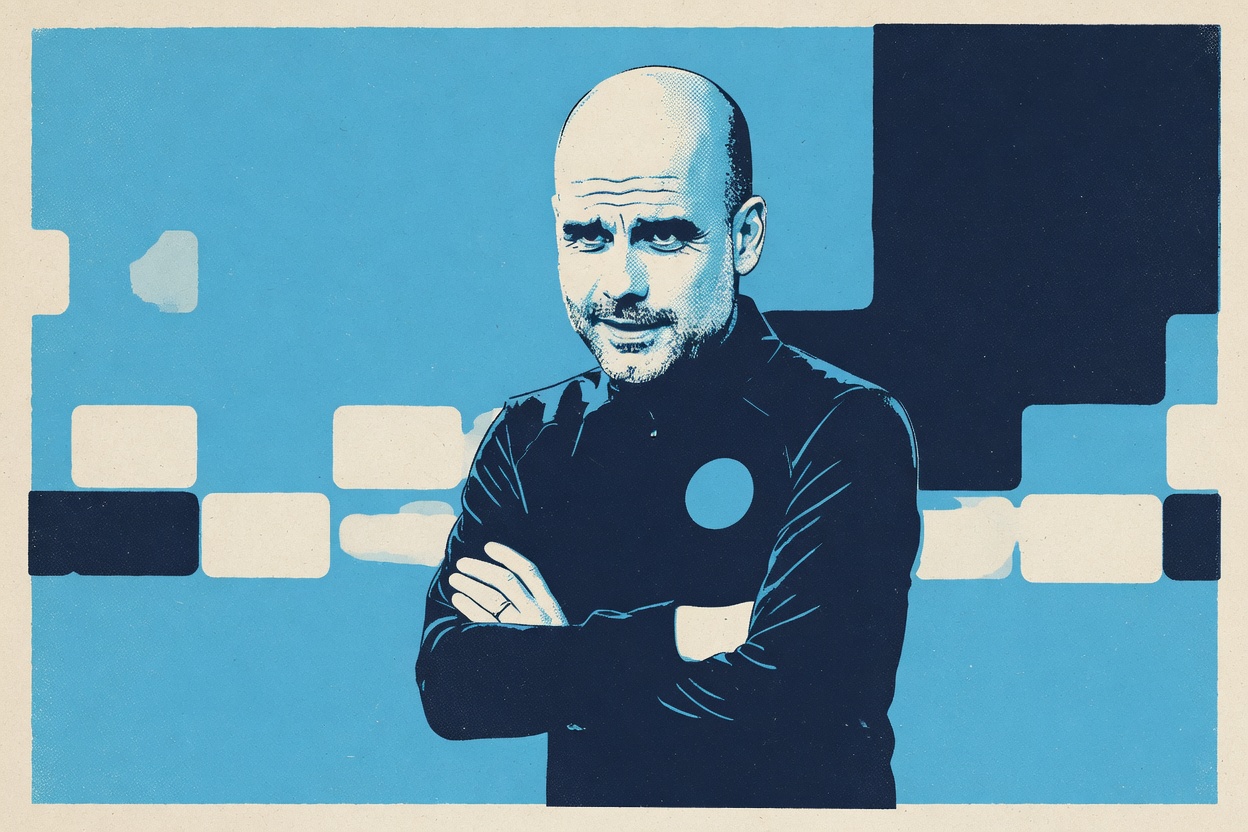
There are draws that feel like progress and draws that feel like a slow leak, and Michael Carrick knew instantly which kind this was. "It feels like a defeat," he said afterward, and for once the manager's postmatch honesty matched the evidence rather than softening it. Manchester United led Everton twice at Hill Dickinson Stadium on Saturday. They still couldn't finish the job.
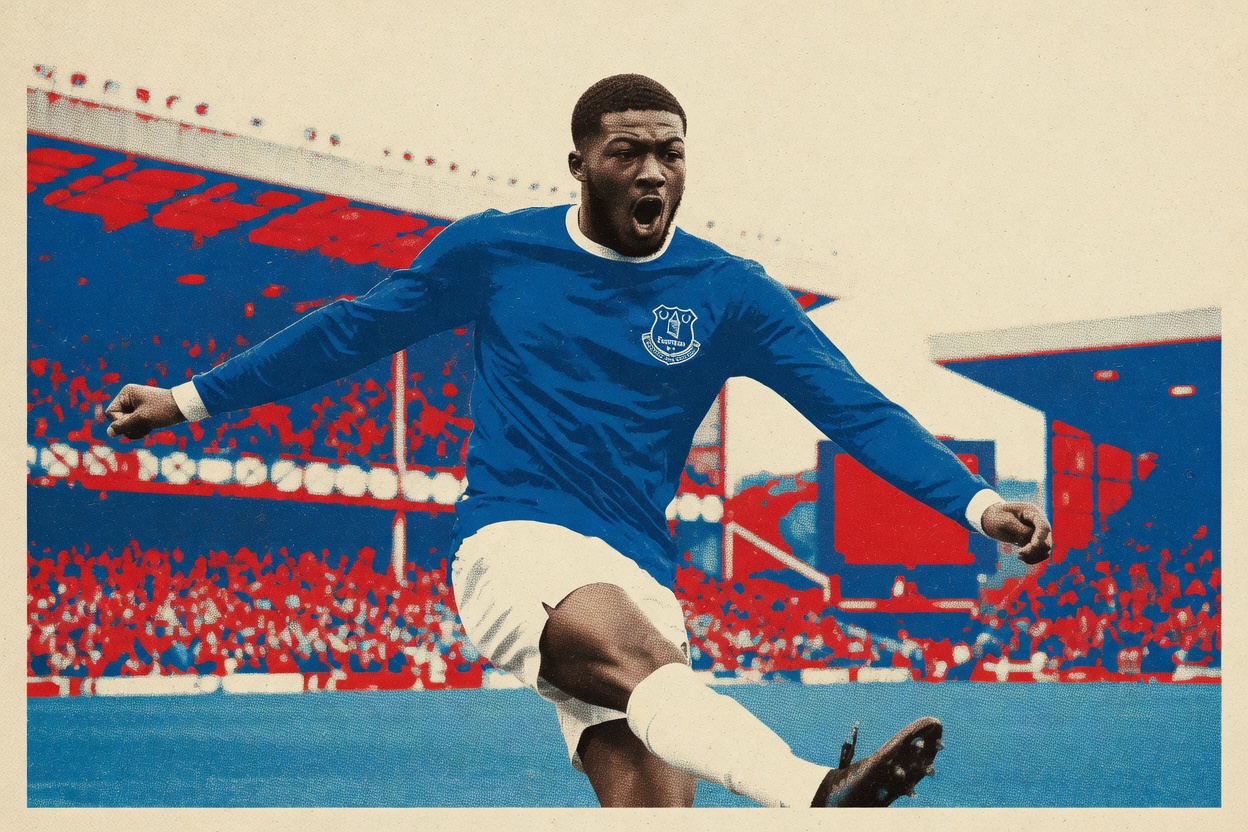
The headline belongs to a man most neutrals couldn't have picked out of a lineup an hour earlier. Ainsley Maitland-Niles, a deadline-day arrival from Lyon who cost a reported £4.3m, came on in the 77th minute only because James Garner pulled up with cramp. In the sixth minute of stoppage time he lashed a 25-yard effort past Manchester United to make it 2-2. It was the first goal on a Premier League debut for Everton since Richarlison in August 2018, and the first by an English player for the club since Andrew Johnson against Watford in August 2006. For a player whose scoring in this league has been scarce, the timing bordered on absurd.
This was a self-inflicted wound for United, not a smash-and-grab by Everton. Bryan Mbeumo's curling finish a minute into the second half was exactly the kind of individual moment good teams build a result around. Then Tyrique George levelled with seven minutes left, Benjamin Sesko headed United back in front from Luke Shaw's cross two minutes later, and United couldn't see out the closing stretch. Being ahead in the 88th minute and still drawing is a specific kind of failure, one that says more about game management than talent.


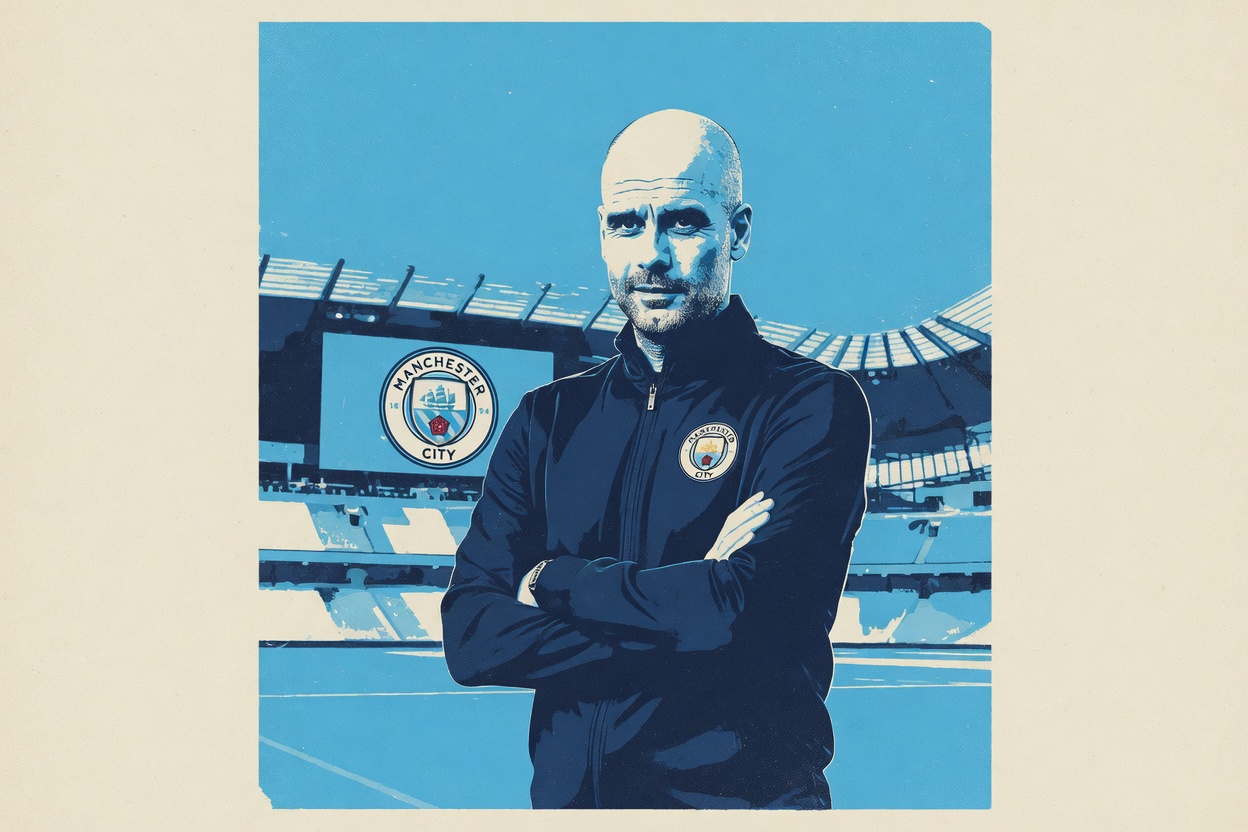
It fits a pattern, too. United lost their opener at Hull, then took Ipswich apart 5-2 a week later. Now this. Three matchdays in, Carrick's side already looks like a team that can beat anyone on Tuesday and hand back the points on Saturday. That inconsistency is what should worry people, because the schedule doesn't get any easier. United host Manchester City after opening their Champions League campaign at home against Sabah. Drop points against City with this same late-game fragility and the questions about Carrick get louder.
For David Moyes, back at Everton and facing the man he once managed at Old Trafford in the 2013-14 season, this was damage limitation dressed up as a small triumph. "It was a big moment to get back in the last minute, a brilliant goal and a big moment for the crowd," he said. Given the week he'd had, the relief was understandable. Everton sold Iliman Ndiaye to Manchester City for a reported £65m and watched a move for Folarin Balogun collapse in the window's final hours, leaving Thierno Barry as the recognised senior striker. A stoppage-time point from a signing they'd barely unpacked, plus Jack Grealish's return off the bench on loan, salvaged a feel-good afternoon from what threatened to be an embarrassment.
Moyes, to his credit, didn't oversell it. He admitted his side should have been sharper in front of goal, though ESPN's numbers suggest Everton did enough to merit a share, giving them a slight edge in expected goals. That reads about right. It wasn't a raid. United controlled the scoreboard without ever controlling the outcome.
After Matchday 3 on September 6, Everton sit unbeaten and a point above United. It's early, three games into a thirty-eight-game season, and the table means little yet. But the way United gave this one back is a habit they need to break before it becomes who they are.